


- by wangfred
What's Virtual Reality? A Deep Dive Into The Digital Universe Reshaping Our World
- by wangfred
Imagine strapping a device to your head and instantly being transported. One moment you're in your living room, and the next, you're walking on the surface of Mars, examining alien rock formations under a reddish sky. You could be standing in the center of a humming human cell, watching proteins shuttle like microscopic machines, or practicing a complex surgical procedure on a fully responsive, virtual patient. This is the promise and the power of Virtual Reality (VR), a technology that doesn't just display information but immerses you within it. It’s a gateway to experiences previously confined to the realms of science fiction and human imagination, and it's rapidly evolving from a niche novelty into a transformative force poised to reshape entertainment, education, work, and human connection itself.
At its simplest, Virtual Reality is a computer-generated simulation of a three-dimensional environment that can be interacted with in a seemingly real or physical way by a person using special electronic equipment. But this dry definition fails to capture its essence. VR's ultimate goal is the achievement of immersion and presence.
Immersion is the objective measure of how effectively the technology fools your senses. It's the technical fidelity of the headset's display, the accuracy of its motion tracking, and the quality of its spatial audio. The higher the immersion, the more your biological sensors—your eyes, ears, and even your vestibular system—are convinced the virtual world is real.
Presence, often called the "holy grail" of VR, is the subjective, psychological phenomenon that occurs when your brain finally accepts the virtual environment as truth. It's that magical, often breath-taking moment where self-consciousness vanishes, the physical hardware disappears from your awareness, and you simply are in that other place. You flinch from a virtual cliff edge not because you see a drop, but because on some primal level, you believe you might fall. This feeling of "being there" is what separates VR from every other medium that came before it.
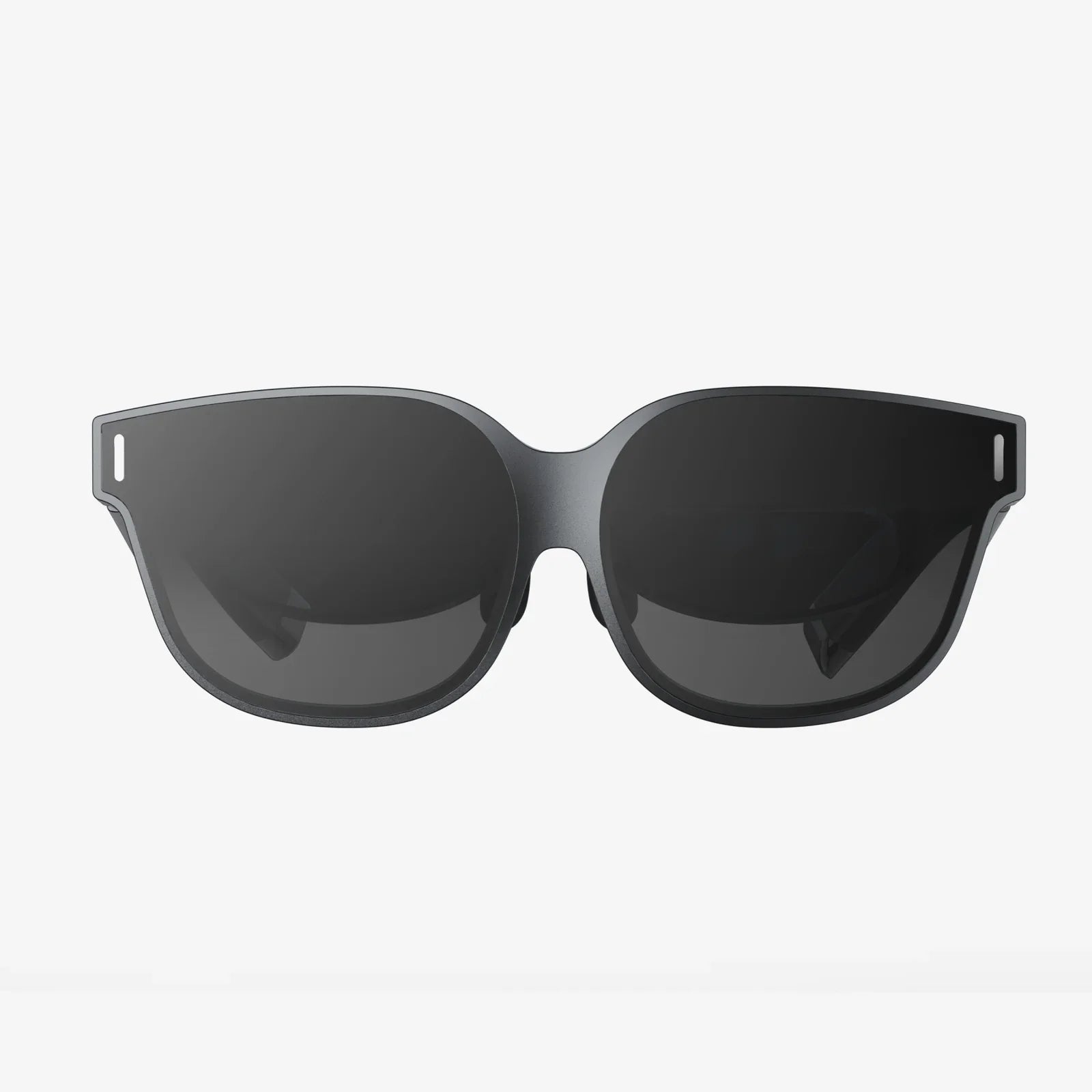
Creating this convincing illusion of reality is a monumental technical challenge that requires a symphony of hardware and software working in perfect harmony. The primary gateway into these digital worlds is the Head-Mounted Display (HMD), or VR headset.
The visual system is the most critical component. Modern VR headsets use two high-resolution displays (one for each eye) or a single display split into two, placed behind specially designed lenses. These lenses focus and reshape the image for each eye, creating a stereoscopic 3D effect that provides depth perception. A high refresh rate (90Hz or higher) is crucial to prevent latency, which can cause motion sickness. The field of view (FOV) is also vital; a wider FOV more closely mimics human sight, pulling you deeper into the experience by reducing the "goggle effect" of looking through binoculars.
For the virtual world to feel responsive and real, the system must know precisely where you are and how you are moving. This is achieved through tracking systems:
This tracking data allows for six degrees of freedom (6DoF). This means you can not only rotate your head (yaw, pitch, roll) but also move it through space (surge, sway, heave)—leaning in, crouching down, or walking around. This freedom of movement is fundamental to achieving true presence.
Immersion isn't just visual. 3D spatial audio is equally important. Sounds in a VR environment behave as they would in reality; a noise behind you will sound like it's coming from behind you, and it will get louder as you approach its source. This auditory cue is incredibly powerful for selling the illusion.
Haptic feedback provides the sense of touch. This can range from simple vibrations in the controllers to more advanced vests and gloves that simulate the feeling of impact, pressure, and texture. This tactile layer adds a profound new dimension to interactions, making virtual objects feel tangible and solid.
Not all VR is created equal. The level of immersion can vary dramatically based on the hardware and the intent of the experience.
While gaming has been the primary driver of consumer VR, the technology's potential extends into nearly every professional field.
VR offers an unparalleled tool for experiential learning. Instead of reading about ancient Rome, history students can take a guided tour through a meticulously reconstructed Forum. Medical students can practice procedures countless times in a risk-free environment. Trainee pilots can experience emergency scenarios in a virtual cockpit. This "learning by doing" in a simulated world dramatically improves knowledge retention and skill acquisition.
Therapists are using VR for exposure therapy, carefully guiding patients with phobias or PTSD through controlled virtual simulations of their triggers. Surgeons use VR to plan complex operations by practicing on a 3D model of a patient's specific anatomy. VR is also being used for physical rehabilitation, turning repetitive exercises into engaging games.
Architects and designers no longer have to rely on blueprints and 3D models on a screen. They can step inside their designs before a single brick is laid. They can walk through a virtual building to assess sightlines, test lighting, and identify potential design flaws, saving immense time and resources.
The concept of the "metaverse" points to a future where virtual workspaces are commonplace. Engineers from different continents could collaborate on a 3D model of a new engine as if they were standing in the same room. Virtual meetings could feel more personal and engaging than a grid of video calls, fostering a stronger sense of team cohesion among remote workers.
The path to a VR-ubiquitous future is not without significant hurdles and important questions.
Despite rapid advancement, barriers remain. High cost can be prohibitive for widespread adoption. Creating truly comfortable, all-day headsets that are small, lightweight, and powerful enough is an ongoing engineering challenge. The phenomenon of cybersickness, a type of motion sickness caused by a disconnect between visual motion and physical stillness, still affects a portion of users. Furthermore, spending significant time in virtual worlds raises concerns about social isolation, neglecting real-world relationships, and the physical consequences of a more sedentary lifestyle.
As the line between the virtual and the real blurs, profound ethical questions emerge. In immersive social spaces, how do we prevent harassment and ensure safety? What does data privacy look like when a company can track your gaze, your movements, and your physiological responses? The potential for hyper-realistic propaganda or experiential manipulation is a serious concern. And as VR experiences become more real, the psychological impact of traumatic events within them, even if simulated, is unknown territory.
We are standing at the precipice of a new dimension of human experience. Virtual Reality is more than a new gadget; it's a fundamental shift in how we interface with digital information and with each other. It has the power to democratize experience, making the previously impossible accessible to anyone. It can make us more empathetic by allowing us to literally see the world through another's eyes, and it can accelerate human progress by providing the ultimate sandbox for creation and learning. The virtual worlds are being built right now, and they are limited only by the creativity and wisdom we choose to build into them. The headset is becoming a portal, and on the other side lies not just games, but the future of reality itself.