


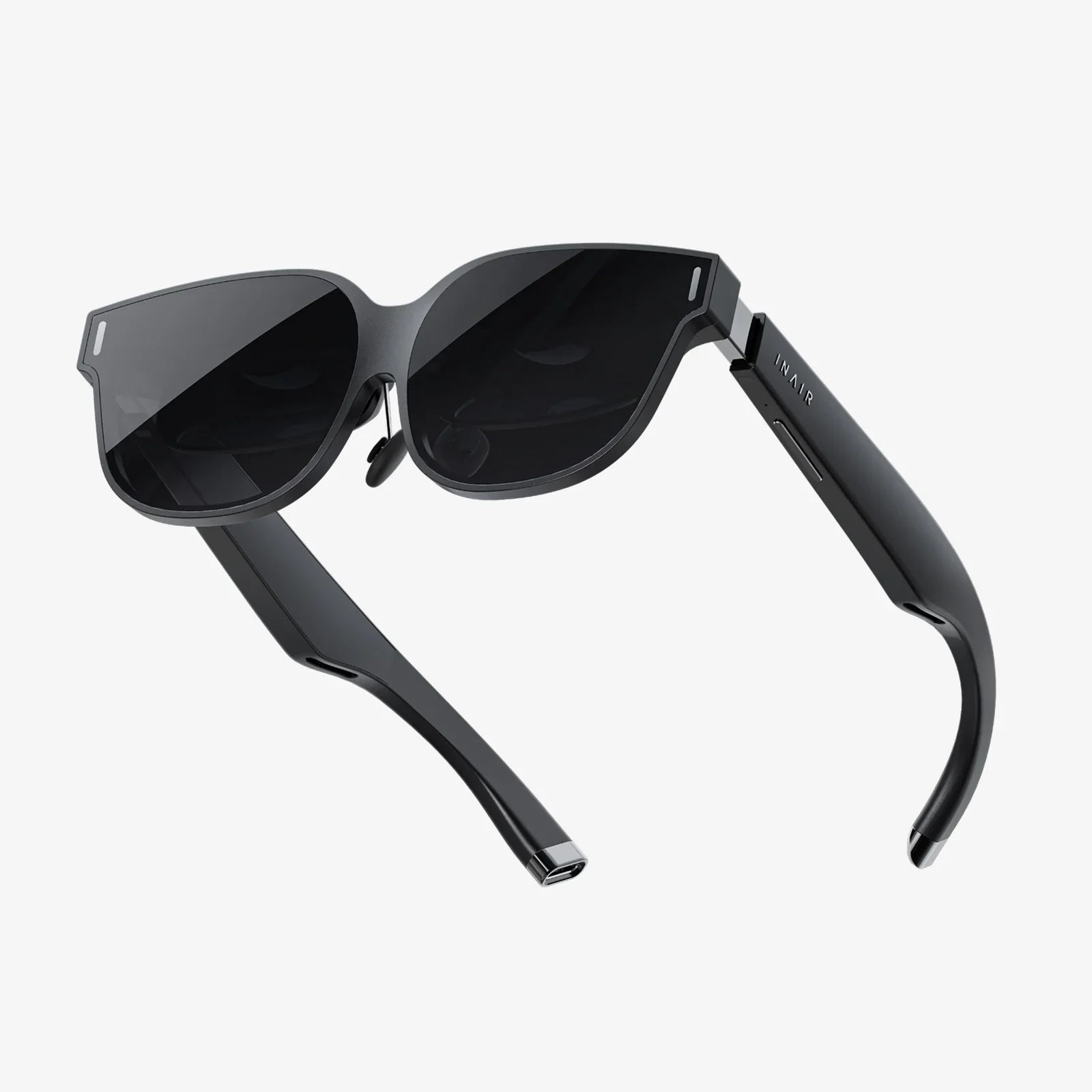
The tantalizing question hangs in the digital air, whispered in online forums and debated by tech enthusiasts: when will the veil be lifted on the next great leap in virtual reality? The anticipation is a palpable force, a blend of impatience and excitement for a future that feels simultaneously within reach and yet frustratingly distant. We are living in the golden age of a technological revolution, perched on the precipice of the next major hardware cycle, and everyone wants to know when they can finally step through the looking glass into a new, more immersive world. The answer is more complex than a simple date, woven from the threads of technological innovation, market strategy, and the very evolution of how we interact with computers.
The Rhythms of Release: Understanding the Hardware Cycle
To predict the future, one must first understand the past. The consumer VR market, while young, has begun to establish recognizable patterns. Historically, major players have operated on a development cycle that spans several years. The initial wave of modern VR, which brought us the first generation of powerful PC-connected headsets, was followed by a multi-year gap before the subsequent generation arrived.
This lengthy timeline is not without reason. Unlike the iterative annual updates common in the smartphone industry, VR headset development is a monumental undertaking. It involves harmonizing breakthroughs across numerous disciplines: optics, display technology, processing power, ergonomics, and software ecosystems. A new headset isn't just a new screen; it's an entirely new platform for human-computer interaction. Companies are not just iterating; they are attempting to define the standard for a medium that is still in its formative years. Therefore, a three to four-year gap between flagship product generations has been the industry norm, suggesting that the next major releases are likely clustered around a similar timeframe from their predecessors.
The Technological Hurdles: What's Taking So Long?
The development of the next generation of VR hardware is a race against physics, cost, and user expectation. Several key technological barriers must be overcome to make the next headset not just an incremental update, but a true generational leap.
The Display and Optics Conundrum
The quest for the visual holy grail—perfect clarity with zero screen-door effect—continues. Current-generation headsets made great strides with high-resolution displays, but the next generation aims for a monumental jump. We are looking at the adoption of micro-OLED and eventually micro-LED displays, which offer incredible pixel density, perfect blacks, and faster response times. However, manufacturing these panels at scale, at a reasonable cost, and driving them with enough processing power remains a significant challenge. Paired with this is the optics arms race. Pancake lenses have become the new standard for their compactness and clarity, but researchers are already developing next-generation varifocal and light field optics that can solve the vergence-accommodation conflict—a fundamental visual discomfort in current VR. These technologies are incredibly complex to engineer for mass production.
The Processing Power Problem
Higher resolution displays demand exponentially more graphical power. Pushing pixels at 4K per eye or beyond requires a GPU that doesn't yet exist in the consumer market at an accessible price point. This creates a fork in the road for developers: do they create standalone headsets with mobile chipsets that limit graphical fidelity, or do they create PC-connected beasts that require a supercomputer to run? The solution may lie in cloud streaming or some form of wireless streaming from a local PC, but both introduce latency, the absolute enemy of comfortable VR. The development of dedicated VR processing units (VPUs) and more efficient code is crucial to unlocking the next level of immersion.
Form Factor and Battery Life
The dream is a pair of sunglasses: lightweight, comfortable, and socially acceptable. The reality is still a front-heavy visor. Advancements in materials science and battery technology are needed to redistribute weight, perhaps moving the battery to a rear counterweight or a hip pack. All-day battery life is another distant dream for standalone units. Powering high-resolution displays, advanced tracking, and onboard processing is a immense drain, and until battery energy density improves dramatically, users will be tethered to an outlet or a power bank for extended sessions.
The Contenders: Reading the Industry Tea Leaves
While specific brands are off the table, analyzing the strategic moves of the major players in the space provides the clearest clues for a release window. The industry can be broadly divided into three camps, each with its own development rhythm.
The Standalone Pioneer
The company that brought VR to the masses with an all-in-one headset has firmly established a dominant position. Their strategy revolves around accessibility and a robust, curated software store. Their first-generation device was a proof of concept. Their second-generation device, released a few years later, was a refinement—better performance, better ergonomics, but not a radical redesign. Industry analysts and supply chain rumors suggest this company is deep in development on their next major platform. Code names have leaked, developer kits are likely in the wild, and the expectation is for a release window that aligns with a three-to-four-year cycle from their previous launch. This device is anticipated to be a significant leap, potentially featuring eye and face tracking, higher resolution displays, and a renewed focus on mixed reality capabilities.
The High-End Purist
Another major player, known for its high-fidelity, PC-powered experiences, also operates on a multi-year cycle. Their first device set the bar for visual quality. Their second device, released years later, focused on extreme resolution and comfort. For this player, the next step is less about a rapid iteration and more about defining the future of their ecosystem. They are investing heavily in inside-out tracking, eye-tracking for foveated rendering, and expanding into new markets like enterprise. Their release schedule may be less predictable, as they are willing to wait until technology meets their high standards rather than adhering to a strict annual cadence. A prototype showcasing revolutionary new technology has already been demonstrated, indicating that their next commercial device is likely in an advanced stage of development, targeting the enthusiast market with cutting-edge, albeit expensive, technology.
The Tech Titan's Play
A global technology giant has been quietly building its AR/VR strategy for years. With immense resources and a focus on long-term platform development, their approach is different. They are not chasing the current market but attempting to create the market of the future. Their first-generation headset was a bold, expensive statement of intent, packed with technology years ahead of its time. For them, the next headset is not just about a release date; it's about the maturation of that technology to a point where it can be produced at a lower cost. They are playing the long game, investing in fundamental research on displays, sensors, and operating systems. Their timeline is the hardest to predict, as it is tied to breakthroughs that may not have happened yet. However, given their pattern, a second-generation device that refines the vision of the first is inevitable, likely aiming to address the high cost and specific use cases of its predecessor.
Beyond the Hardware: The Ecosystem is Key
A headset is nothing without software. The release of new hardware is intrinsically linked to the readiness of its accompanying ecosystem. Developers need early access to hardware and software development kits (SDKs) to create experiences that leverage the new capabilities. A company cannot simply drop a new headset with revolutionary eye-tracking and expect a library of supporting games to appear on day one.
This development pipeline adds months, if not a full year, to the effective timeline. The announcement of a new headset is often preceded by a quiet period of seeding development kits to major studios. Therefore, when a company finally announces a device, it is usually because the software ecosystem is already prepared to support it at launch with at least a few flagship titles. The silence from a company is often not an indication of inactivity, but of intense behind-the-scenes work with developers to ensure the launch is a success. The question of "when" is as much about the readiness of the developer community as it is about the hardware itself.
A Realistic Timeline: Separating Hope from Hype
So, when can we realistically expect the next major headsets to arrive? Based on the established cycles, technological barriers, and industry movements, the most probable window is not a single year, but a period of concentrated activity. The current generation has been on the market for several years, and the technology demonstrated in prototypes and leaked patents has had time to mature.
It is highly plausible that one or more major players will announce their next-generation devices within the next 12-18 months. These announcements will likely come at dedicated tech events, where companies can control the narrative and showcase the new technology in its best light. The actual commercial release may follow the announcement by several months, as manufacturing ramps up. This means the answer for the most anticipated consumer-ready device is likely measured in months, not years. However, for the truly revolutionary, boundary-pushing technology that feels like science fiction, the wait may be longer, as companies continue to wrestle with the laws of physics to bring it to our faces.
This upcoming generation promises to be the most exciting yet, potentially offering a blend of high-resolution passthrough for seamless mixed reality, advanced avatars driven by eye and face tracking, and a form factor that leans towards comfort and accessibility. It will be the generation that moves VR and MR from a niche hobby closer to a mainstream computing platform.
Keep your eyes locked on the key industry events throughout the rest of this year and into the next; that's where the digital curtains will most likely part. The pieces are all in motion, the engineers are working tirelessly, and the next portal to countless new realities is being polished and perfected, getting closer to its debut with every passing day. The wait, while agonizing, is almost certainly going to be worth it.
Share:
PC Connected VR Headset: The Ultimate Gateway to Immersive Realities
Brand New VR Headset: The Unprecedented Leap Into a Hyper-Realistic Digital Frontier