


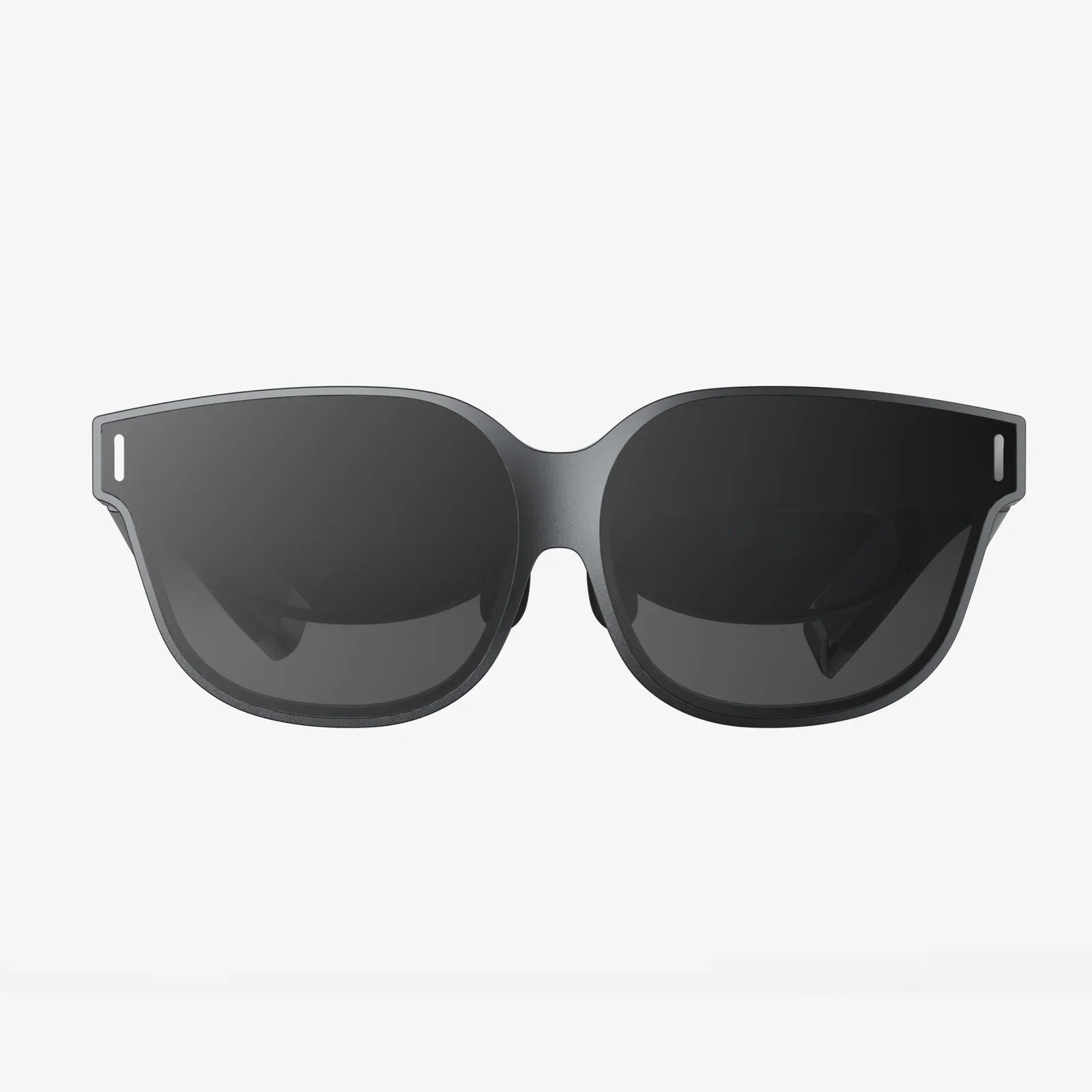
The digital and physical worlds are on a collision course, and at the epicenter of this seismic shift is augmented reality (AR). You’ve seen the futuristic demos, heard the promises of a world overlaid with digital information, and perhaps wondered when this technology will finally move from a niche novelty to an indispensable part of daily life. More importantly, you’re asking the pivotal question: when is the right time to buy into this revolution? The answer is not a simple date on a calendar but a convergence of technological readiness, market maturity, and, most crucially, your specific needs. This guide cuts through the hype to provide a strategic framework for identifying your personal or professional inflection point for adopting augmented reality.
Decoding the Hype Cycle: Where AR Stands Today
Every transformative technology follows a predictable pattern of innovation, inflated expectations, disillusionment, and eventual productivity. Understanding where AR currently resides on this curve is the first step in timing your purchase.
For years, AR existed in the "innovation trigger" phase, captivating imaginations with concept videos and bulky, expensive prototypes. This was followed by a peak of inflated expectations, where promises often outstripped the technological capabilities. We are now navigating the crucial slope toward maturity. The hardware is becoming more powerful and less obtrusive, software development platforms are stabilizing, and developers are learning what truly works for users. This period of consolidation is where the real foundation for mass adoption is being laid. Buying during this phase means you are investing in a technology that is maturing rapidly, not one that is merely a speculative concept.
The Hardware Horizon: Waiting for the "iPhone Moment"
The single biggest factor determining when to buy AR is the hardware. Current devices can be broadly categorized into three form factors, each with its own trade-offs:
- Smartphone-Based AR: This is the most accessible entry point. The device is already in your pocket. The experience, however, is limited by screen size, battery drain, and the inherent clumsiness of holding a phone up to interact with the world.
- Standalone Smart Glasses: These dedicated wearables offer a hands-free experience but have struggled with balancing battery life, processing power, field of view, and social acceptability. Early models often feel like compromises.
- Tethered Systems: These high-performance glasses connect to a processing unit, offering superior experiences for enterprise or gaming but sacrificing mobility and convenience.
The "when to buy" question for hardware hinges on the industry achieving an "iPhone moment"—a device that seamlessly integrates powerful technology into an elegant, socially acceptable, and truly useful form factor. Key indicators to watch for include all-day battery life, a wide field of view, high-resolution displays, intuitive input methods (like gesture or voice control), and a price point that aligns with a premium consumer electronic device. When a product checks these boxes without significant compromise, the time to buy for the early adopter will have arrived.
The Software Ecosystem: Beyond the Gimmick
Powerful hardware is useless without compelling software. The right time to buy is when AR moves from offering isolated gimmicks and games to providing a robust ecosystem of applications that solve genuine problems or create unique value.
For consumers, this means AR must offer utility that is ten times better than existing solutions. This could be:
- **Visual Search:** Pointing your glasses at a restaurant to instantly see reviews and menu highlights.
- **Contextual Navigation:** Paths and directions overlaid onto the real world, making traditional map apps obsolete.
- **Persistent Digital Art:** Transforming your living space with art that only your family can see or leaving notes for roommates that float in specific locations.
- **Enhanced Learning:** Interactive 3D models for education that students can walk around and dissect.
For enterprises, the value proposition is already clearer and is why businesses are often earlier adopters. The right time for a business to buy is when an AR solution demonstrates a clear return on investment (ROI). This is already happening in:
- **Remote Assistance:** Allowing experts to guide field technicians with AR annotations, reducing travel costs and solving problems faster.
- **Design and Prototyping:** Visualizing architectural plans or industrial designs at full scale before construction begins.
- **Warehouse Logistics:** AR glasses that display picking lists and optimal routes, dramatically improving fulfillment accuracy and speed.
- **Training:** Simulating complex procedures in a safe, guided environment.
Monitor the app stores and enterprise software catalogs. When you see a critical mass of applications that are essential to your workflow or lifestyle, the ecosystem is ripe for your investment.
The Connectivity Conundrum: 5G and Edge Computing
True, seamless AR requires immense computational power and low latency. Processing complex AR scenes on a device the size of glasses is a monumental challenge. This is where next-generation connectivity comes in.
The widespread deployment of 5G networks and edge computing infrastructure is a critical enabler for high-end AR experiences. 5G offers the high bandwidth and ultra-low latency needed to offload intensive processing to the cloud. This means the glasses themselves can be lighter, cheaper, and have longer battery life, while still delivering stunning, complex AR visuals rendered remotely and streamed to the device in real-time.
Therefore, the state of your local connectivity infrastructure is a practical factor in your buying decision. Investing in a data-hungry, cloud-reliant AR device may be frustrating if you lack a robust 5G connection. The maturation of this network layer is a key signal that the infrastructure is ready to support the AR experiences of tomorrow, making it a safer time to invest.
The Social and Ethical Dimension: When Will It Be Normal?
Technology adoption is not just a technical issue; it's a social one. A major barrier to AR glasses is the "glasshole" stigma—the social awkwardness of wearing a computer on your face and potentially recording those around you.
The right time to buy will be when this social barrier begins to crumble. This will happen through a combination of factors: more fashionable and normal-looking designs, clear social cues (like a visible indicator light when recording), and established cultural norms around their use. As more people adopt the technology for clear benefits, it will become less unusual. Watch for this cultural shift. When you see people comfortably wearing AR glasses in cafes, on public transport, and in meetings without drawing stares, it’s a strong indicator that the technology has been socially validated.
A Strategic Framework: Your Personal "When to Buy" Checklist
So, when should you buy? Answer these questions to find your inflection point.
For the Consumer:
- Is there a specific, frequent problem in my life that AR solves uniquely well? (e.g., a need for hands-free information, complex DIY projects, immersive entertainment).
- Has the hardware reached a point where I would comfortably wear it in public for extended periods?
- Is the cost comparable to other premium tech I invest in (e.g., smartphones, laptops, TVs)?
- Is the application ecosystem robust enough with apps I would use daily?
- Am I comfortable being an early adopter, dealing with potential bugs and a evolving experience?
For the Business (B2B):
- Have we identified a specific use case (e.g., remote assistance, training, design) with a proven ROI from early adopters in our industry?
- Does the solution integrate seamlessly with our existing software and workflow systems?
- Is the total cost of ownership (hardware, software, deployment, support) justified by the projected efficiency gains, error reduction, or cost savings?
- Is our workforce and IT infrastructure ready to support and adopt this new technology?
- Have we run a successful pilot program that demonstrated tangible value?
If you answer "yes" to most of these questions, your time to buy is likely approaching or already here, especially in an enterprise context where the value is already being proven daily.
Looking Beyond the Immediate Future
The journey of AR is just beginning. The ultimate destination is a world where a spatial layer of information is as ubiquitous and indispensable as the web is today. This will evolve into what experts call the "metaverse"—a persistent network of interconnected virtual and augmented spaces.
Buying into AR today is like buying into the internet in the mid-1990s. The infrastructure was still developing, the websites were basic, and the experience was often slow and clunky. But those who understood the paradigm shift and invested early—whether as users, developers, or businesses—gained a significant advantage. They were prepared for the world that was coming.
Your decision on when to buy augmented reality is not about catching a falling knife or waiting for a mythical perfect product. It’s about making a strategic choice based on a clear-eyed assessment of the technology’s ability to enhance your world right now. The signals are clear: the hardware is accelerating, the software is providing real utility, and the networks are falling into place. The gap between science fiction and reality is closing faster than ever, and for those who know what to look for, the perfect moment to step into an augmented world is almost within reach.
Imagine a near future where the line between your digital life and physical reality doesn't just blur—it disappears entirely. The information you need doesn't reside on a screen you have to pull out and stare at; it appears contextually in the world around you, accessible with a glance or a voice command. This isn't a distant fantasy; it's the logical endpoint of the technological trajectory we are already on. The question is no longer if you will adopt augmented reality, but how soon you will realize its potential to transform everything from how you work and learn to how you connect and play. The next computing platform is being built right before your eyes, even if you can't quite see it yet.
Share:
Best Device for AR Technology: A Comprehensive Guide to the Ultimate Augmented Reality Experience
Office Virtual Conferencing The Ultimate Guide to Mastering Remote Meetings