


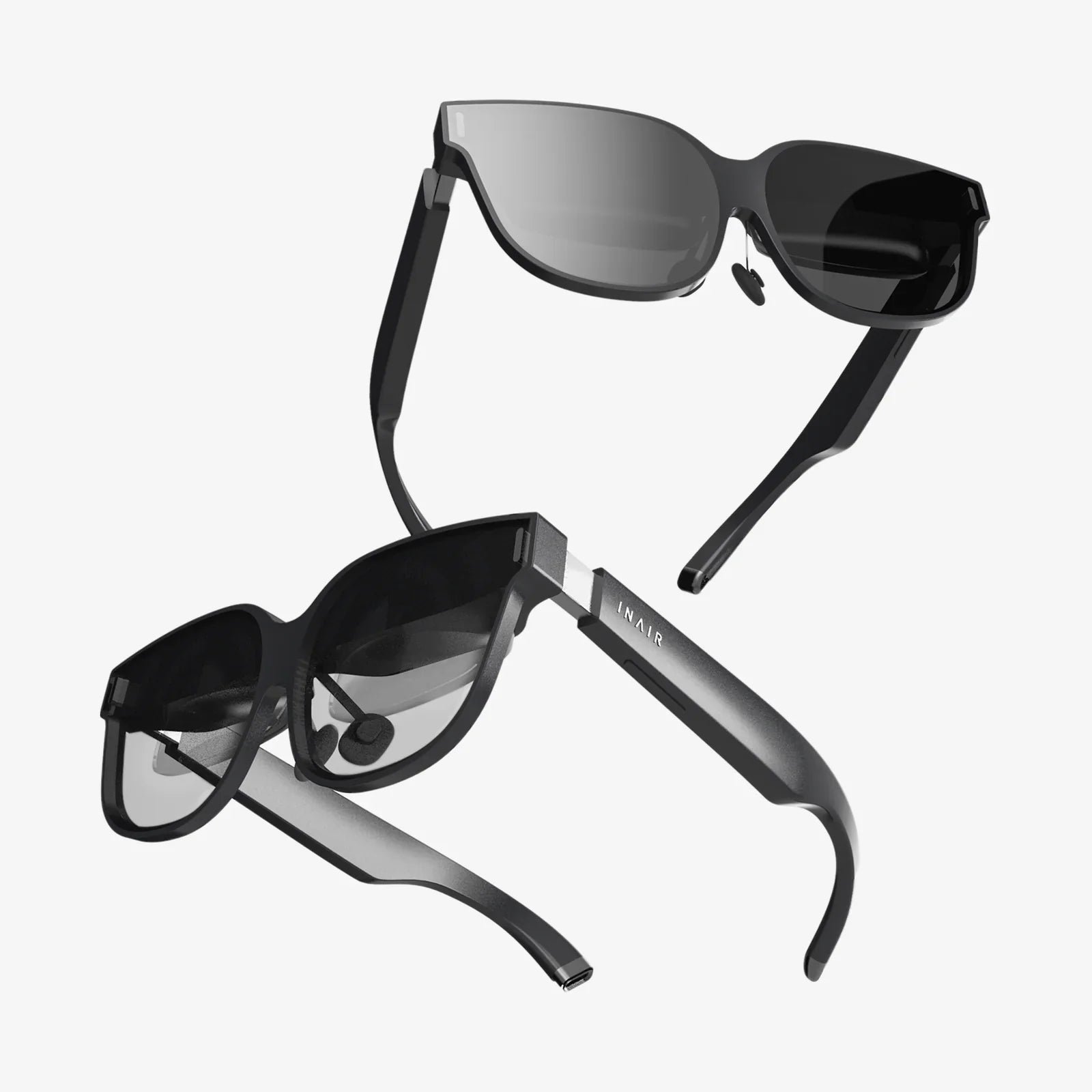
The tantalizing promise of a new reality, a digital frontier waiting to be explored, hangs in the air for tech enthusiasts and casual observers alike. The question isn't just about a new piece of hardware; it's a query into the future itself. When will the next VR headset come out? It’s a question that sparks excitement, debate, and a feverish search for any scrap of information from the shadowy corners of the internet. The answer, however, is far from simple. It’s a complex equation of technological leaps, market readiness, corporate strategy, and the fundamental laws of physics and economics. Unraveling this mystery requires looking beyond mere rumors and understanding the very forces that shape innovation.
The Established Rhythm: Understanding Product Lifecycles
To predict the future, one must first understand the past. The consumer virtual reality market, while feeling nascent, has established a rough cadence for major hardware releases. Historically, the industry has seen a significant new headset from major players every two to three years. This isn't a random interval; it's a carefully calculated product lifecycle.
This period allows companies to achieve several critical goals:
- Research and Development (R&D): True innovation takes time. Moving from a concept to a manufacturable, consumer-friendly product involves solving immense engineering challenges, from designing new optical stacks to developing custom microchips.
- Component Sourcing and Manufacturing: Securing a supply chain for cutting-edge components, like high-resolution micro-OLED displays and advanced pancake lenses, is a monumental task that can take years to stabilize, especially in a competitive global market.
- Software Ecosystem Growth: A headset is useless without compelling software. The two-to-three-year window gives developers time to create and polish experiences that can showcase the new hardware's capabilities, ensuring it has a library of content at launch.
- Market Absorption: Companies need time to sell through the existing inventory of a current-generation device. Releasing a new headset too quickly can alienate early adopters and saturate a still-niche market.
This established rhythm suggests that for any given product line, we can expect a major revision every few years. However, this is being disrupted by the emergence of new product categories within VR itself.
The Two-Track Future: Standalone vs. Tethered
The question "when will the next VR headset come out?" has become misleadingly simple because the market is now bifurcating into two distinct, parallel tracks, each with its own development timeline and innovation goals.
1. The Standalone Revolution
Standalone headsets—all-in-one devices that require no external computer or console—represent the mass-market future of VR. Their goal is accessibility, convenience, and affordability. The innovation cycle here is aggressive, focused on incremental but meaningful improvements: better battery life, more comfortable designs, slightly sharper displays, and more processing power.
Releases in this category can be more frequent, akin to the smartphone model. We may see "Pro" or enhanced models on an annual or biannual basis, with a true generational leap every two to three years. The focus is on refining the user experience and slowly pushing the boundaries of what an entirely self-contained device can do, all while keeping the price point palatable for a broader audience.
2. The Tethered Powerhouse
On the other side are tethered headsets, also known as PCVR or console-VR. These devices are not self-contained; they offload the intense computational workload to a powerful external computer or game console. Their raison d'être is pure, unadulterated performance. They aim for the highest possible resolution, the widest field of view, the most advanced tracking, and the most immersive experiences possible.
The development cycle for these premium devices is longer and less predictable. They are not chasing mass-market adoption but are instead catering to enthusiasts and professionals. Their release is dependent on breakthroughs in supporting technology—like next-generation graphics cards that can drive 8K-per-eye displays—and their price points are significantly higher. A new flagship tethered headset might only arrive every three to four years, but when it does, it will represent a monumental leap forward.
The Technological Hurdles: What's Holding Back Tomorrow's Headset?
We can't simply will a new headset into existence. Engineers are battling very real, very difficult challenges that act as gatekeepers for the next generation. The timeline for the next major VR headset is directly tied to overcoming these hurdles.
- Display Technology: The quest for the "retina" resolution display in VR—where the screen door effect is completely eliminated—is ongoing. This requires incredibly high-resolution, high-pixel-density micro-displays that are also fast enough for high refresh rates (90Hz+). Manufacturing these at scale and at a reasonable cost is a key bottleneck.
- Optics: Pancake lenses have been a recent revolution, allowing for much thinner and lighter headsets. The next frontier might be varifocal or holographic optics that can solve the vergence-accommodation conflict—a primary source of eye strain in current headsets—by dynamically adjusting focus. This technology is in labs but not yet ready for consumer products.
- Processing Power and Battery Life: For standalone devices, this is the eternal tug-of-war. More powerful processors enable richer graphics and more complex simulations, but they consume more energy. Achieving a quantum leap in standalone performance requires a corresponding leap in battery technology or extreme optimization, both of which take time.
- Haptics and Input: The next generation of immersion isn't just visual; it's tactile. Developing affordable, reliable, and compelling haptic feedback gloves or suits is a massive challenge that is progressing on a separate track from the headsets themselves.
Until these technologies mature and become cost-effective to manufacture, a true "next-generation" headset remains in the prototyping phase.
The Whisper Network: Decoding Rumors, Leaks, and Announcements
In the absence of official news, the vacuum is filled with speculation. Leaks from supply chain analysts, code discovered in software updates, and cryptic patents become the breadcrumbs that enthusiasts follow. While often exciting, it's crucial to treat this information with extreme skepticism.
A patent filing does not equal a product plan. It's a company protecting an idea, which may never see the light of day. A leak from an Asian component supplier might be accurate, but the timeline is almost always speculative and prone to delays. The most reliable indicators are official developer conferences and roadmaps. When a company starts seeding prototype hardware to developers, a consumer launch is typically about 12-18 months away. This developer kit phase is the single strongest signal that a new headset is on the final approach.
Beyond the Horizon: What to Expect from the Next Generation
So, when the next headset does arrive, what will it bring? Based on the trajectory of current research, we can make educated predictions. The next major leap will likely be defined by a combination of factors rather than one single feature.
- Visual Fidelity: A significant bump in resolution and pixel density, moving closer to that elusive "retina" standard. This will be paired with better color gamut, HDR support, and perhaps mini-LED or micro-OLED displays for perfect blacks and high contrast.
- Comfort and Form Factor: The trend toward smaller, lighter, and more glasses-like designs will continue. The goal is to make the headset something you can wear for hours without fatigue, moving from a "device" to an "appliance."
- Advanced Tracking: Inside-out tracking will become even more robust and accurate, potentially incorporating eye-tracking and facial expression tracking as standard features. This is crucial not just for social presence but for foveated rendering—a technique that drastically boosts performance by rendering only the spot you're looking at in full detail.
- The Rise of AR/MR: The line between VR and Augmented/Mixed Reality will continue to blur. High-resolution passthrough cameras will become standard, allowing users to switch seamlessly between full immersion and digital overlays on their physical world. This is often called the "killer feature" for the next generation.
The ultimate vision is a single, lightweight device that can handle everything from a fully immersive game to a productive work meeting in a virtual office to providing helpful information overlaid on your real-world tasks.
The Verdict: A Timeline of Anticipation
Pinning down a single date is a fool's errand, but we can map out a probable timeline based on industry trends. For the mass-market standalone segment, we can expect a steady drumbeat of iterative updates, with a meaningful new model from a major manufacturer likely every 18-24 months. The focus will be on accessibility and refining the experience for a growing user base.
For the high-end, tethered enthusiast market, the wait will be longer. The next true flagship PCVR headset that sets a new benchmark for performance is likely still two to three years away. Its release is contingent on the maturation of several bleeding-edge technologies and the parallel development of the computing hardware needed to power it.
The most anticipated releases, those that promise to blend these two tracks into a single, powerful yet accessible device, are the industry's holy grail. While prototypes exist, a consumer-ready product that delivers on this promise at a reasonable price point is the definition of a next-generation leap, and such milestones are rare, perhaps arriving only every four to five years.
For now, the best strategy is one of patient optimism. The wheels of innovation are turning, perhaps faster than ever before. The wait for the next VR headset isn't just a countdown to a purchase; it's the anticipation of a new chapter in how we interact with technology and with each other. The future is being built behind closed doors, and when it finally arrives, it will have been worth the wait.
Share:
Does a VR Headset Need a PC? The Ultimate Guide to Standalone vs. Tethered VR
Do I Need a PC to Use a VR Headset? The Ultimate Guide to VR Requirements