


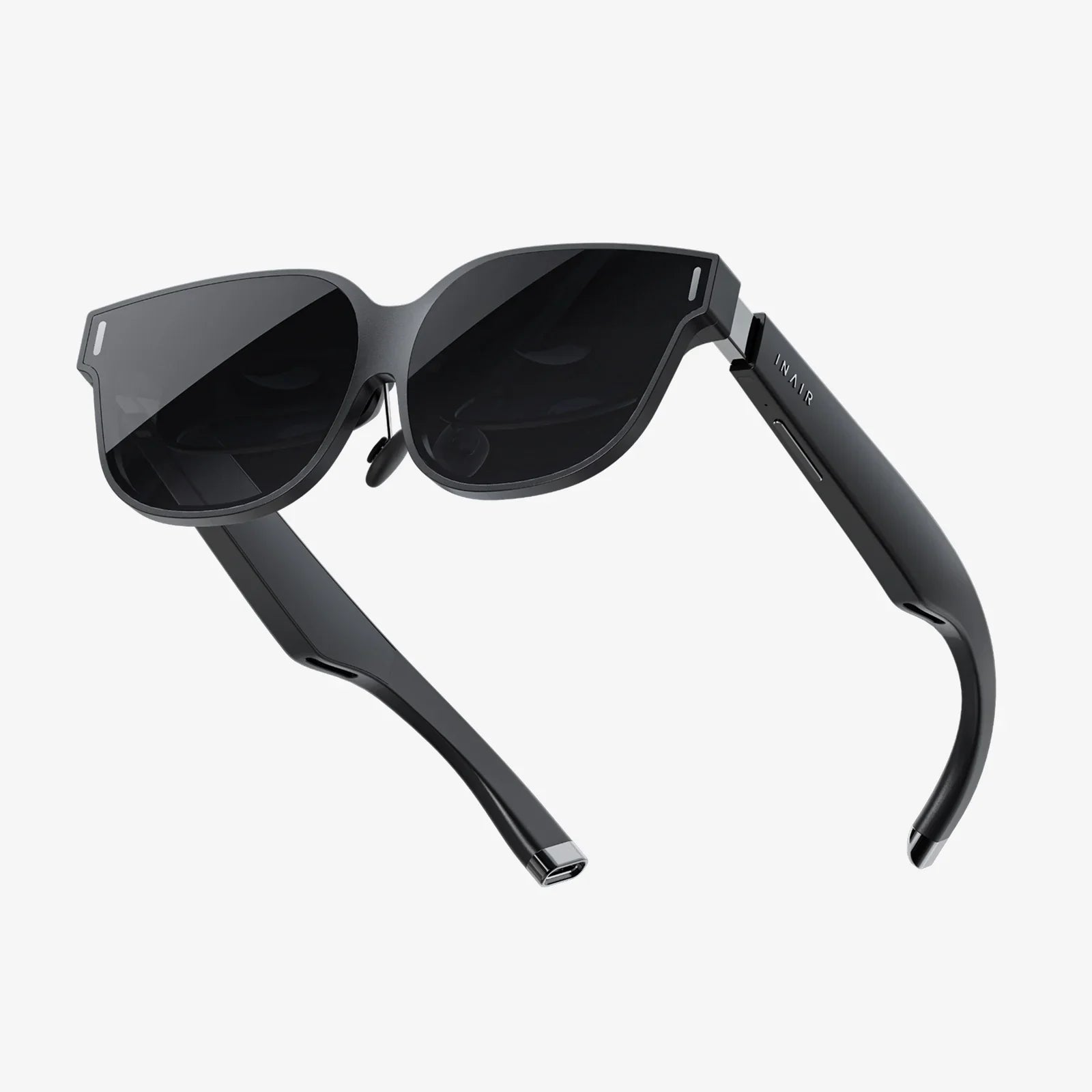
Where are we with virtual reality right now, really? Beyond the flashy trailers and futuristic promises, VR has quietly become more powerful, more accessible, and more useful than most people realize. Yet it is still far from the seamless, full-body digital universe imagined in science fiction. If you have ever wondered whether it is finally time to care about virtual reality, or whether it is still just a niche hobby, this deep dive will show you exactly how far the technology has come, where it still struggles, and why the next decade could be transformative.
To understand the current state of virtual reality, it helps to look at it from several angles: the hardware that creates immersion, the software and content that make VR worth using, the industries adopting it, and the human factors that determine whether people actually want to spend time in virtual worlds. VR is no longer just about games; it is shaping how people learn, train, collaborate, and even receive medical care. At the same time, it faces stubborn challenges in comfort, social acceptance, and long-term engagement that technology alone cannot solve.
Where Are We With Virtual Reality Hardware
Modern VR hardware has evolved dramatically from the bulky, low-resolution headsets of a decade ago. Today’s devices fall into three broad categories: fully standalone headsets, PC or console-tethered systems, and smartphone-based viewers. Each category reflects a different trade-off between power, portability, and price, and together they show how far VR has progressed while hinting at what is still missing.
Display Quality and Visual Immersion
One of the clearest signs of progress in VR is display quality. Early headsets suffered from a pronounced “screen door” effect, where visible gaps between pixels broke immersion. Modern consumer devices now feature higher resolutions per eye, improved pixel density, and better lenses that reduce distortion and blur. Refresh rates of 90 Hz and above are increasingly common, which helps reduce motion sickness and makes motion feel more natural.
Despite these improvements, VR visuals are not yet indistinguishable from reality. Many headsets still have limited field of view compared with human vision, and while resolution has improved, it is not yet at the level where fine text and distant details always appear crisp. High-end systems push the boundaries with better optics and more pixels, but they often require powerful computers and remain relatively expensive. This trade-off between visual fidelity and accessibility is one of the central tensions in the current VR landscape.
Tracking, Controllers, and Natural Interaction
Accurate tracking is essential for convincing virtual reality. Current systems typically rely on a combination of sensors in the headset and controllers, sometimes augmented by external cameras or base stations. Inside-out tracking, where cameras on the headset itself map the environment and track movement, has become the standard for many standalone and consumer-focused devices. This eliminates the need for external sensors and simplifies setup, making VR more plug-and-play than ever.
Handheld controllers have also matured. Most modern controllers support precise positional tracking, haptic feedback, and multiple buttons or capacitive touch surfaces for interaction. More advanced systems introduce finger tracking, allowing for gestures like pointing, gripping, or giving a thumbs-up to be reflected in virtual space. Increasingly, hand tracking without controllers is emerging, using cameras and computer vision to interpret hand movements directly. While still imperfect and occasionally glitchy, hand tracking represents a step toward more natural interaction where users can manipulate virtual objects as they would physical ones.
Full-body tracking remains a frontier rather than a standard feature. Some setups use additional trackers for feet, hips, or other body parts, but this is still mostly the domain of enthusiasts and specialized professional applications. Without widespread, easy full-body tracking, many VR experiences rely on a floating upper body or disembodied hands, which can break immersion and limit certain types of applications, such as realistic sports training or dance simulation.
Comfort, Ergonomics, and Wearability
Comfort is one of the biggest bottlenecks for VR adoption. Headsets have become lighter and more balanced, with improved straps, padding, and weight distribution. Yet wearing a device on your face for extended periods still feels unnatural for many people. Issues such as fogging lenses, pressure on the nose or forehead, and heat buildup remain common complaints.
Furthermore, not everyone’s vision is easily accommodated. People who wear glasses may struggle to fit them inside headsets, and while adjustable lenses or prescription inserts help, they add cost and complexity. Interpupillary distance adjustment, which aligns the lenses with the user’s eyes, is not always present on lower-cost devices, potentially causing eye strain for some users.
Motion sickness, or “cybersickness,” is another comfort challenge. Although higher frame rates, better tracking, and improved software design have reduced this problem, it has not disappeared. Experiences that use artificial locomotion, such as thumbstick-based movement, can still trigger nausea in sensitive users. Developers increasingly adopt comfort features like teleportation movement, vignetting during motion, and reduced acceleration, but these can sometimes compromise immersion or gameplay.
Processing Power and Standalone vs Tethered Trade-offs
Where are we with virtual reality in terms of raw computing power? Standalone headsets now pack mobile processors that are surprisingly capable, enabling untethered VR experiences with no external computer required. This has been crucial for mainstream adoption, as it eliminates complex setup and hidden costs. Many users can simply put on a headset and step into VR without worrying about graphics cards or cables.
However, standalone devices still lag behind high-end PC-based systems in graphical fidelity and computational complexity. To bridge this gap, some headsets support streaming from a PC over a cable or wireless connection, combining the convenience of standalone hardware with the power of desktop graphics. Latency, compression artifacts, and network stability are ongoing concerns, but the experience has improved significantly and continues to get better as wireless technology advances.
The future of VR hardware likely lies in hybrid approaches: lightweight, comfortable headsets with onboard processing for basic tasks, enhanced by optional connectivity to more powerful devices or cloud computing for demanding applications. This layered model would allow VR to scale from casual experiences to professional-grade simulations without forcing every user to invest in top-tier hardware.
Where Are We With Virtual Reality Content and Experiences
Hardware alone cannot make VR compelling; the real question is what people can actually do in virtual reality today. The content ecosystem has expanded from a handful of tech demos to a diverse landscape of games, social platforms, educational tools, training simulators, and creative applications. Still, the search for “killer apps” that make VR indispensable is ongoing.
Gaming: The First Major VR Showcase
Gaming remains the most mature and visible use case for virtual reality. VR games now range from quick, casual experiences to long, narrative-driven adventures. Genres such as rhythm games, fitness-oriented titles, puzzle games, and immersive simulations have found strong footing. Motion controls and room-scale tracking allow players to physically dodge, swing, aim, and interact in ways that traditional gaming cannot easily replicate.
Despite this progress, VR gaming is still a niche within the broader gaming market. Many popular titles are shorter than traditional games, partly due to development costs and partly because extended sessions in VR can be tiring for players. Cross-platform support between VR and non-VR versions of games is still limited, which can fragment communities. Nevertheless, the library of high-quality VR titles continues to grow, and developers are learning how to design experiences that play to VR’s strengths rather than forcing conventional game designs into a headset.
Productivity, Collaboration, and Remote Work
One of the most intriguing questions about VR is whether it can become a serious tool for work. Virtual meeting spaces, shared whiteboards, and 3D collaboration environments already exist, allowing teams to gather in virtual rooms, manipulate models, and brainstorm in ways that go beyond video calls. These platforms attempt to recreate some of the presence and spontaneity of in-person meetings while enabling participants from around the world to join.
Where are we with virtual reality as a daily work tool? The answer is that we are experimenting rather than fully committed. Some organizations use VR for specific tasks, such as design reviews, architecture walkthroughs, or training sessions, but VR is not yet a standard part of most people’s workday. Comfort issues, headset fatigue, and the friction of putting on a device for every meeting make it difficult for VR to replace laptops and monitors. However, as headsets become lighter and more integrated with existing workflows, VR may carve out a permanent role in remote collaboration, especially for tasks that benefit from 3D visualization.
Education, Training, and Simulation
Education and training are areas where VR shines today. Virtual reality allows learners to experience scenarios that would be dangerous, expensive, or impossible in the real world. Medical trainees can practice procedures in a risk-free environment. Industrial workers can rehearse complex tasks on virtual machinery. Students can explore historical sites, distant planets, or microscopic environments in an interactive, embodied way.
Studies have shown that immersive learning can improve engagement and retention for certain types of content, especially when spatial understanding or procedural memory is important. Organizations across aviation, manufacturing, healthcare, and emergency response are adopting VR training modules to reduce costs and improve safety. While not every educational topic benefits from VR, the technology is proving particularly effective for hands-on skills and experiential learning.
The main barriers to wider adoption in education are cost, content creation, and logistics. Developing high-quality, curriculum-aligned VR experiences requires expertise and resources. Schools and training centers must manage hardware, hygiene, and supervision. As tools for creating VR content become more accessible and standardized, more educators are likely to experiment with immersive lessons, but we are still in the early stages of mainstream educational integration.
Social VR and Virtual Presence
Social experiences are central to the long-term vision of virtual reality. Social VR platforms enable users to meet as avatars in shared spaces, attend events, play games, or simply hang out. These environments often support voice chat, expressive avatars, and user-generated worlds, creating a sense of presence that goes beyond text or video chat.
Where are we with virtual reality as a social medium? Social VR has passionate communities but remains relatively small compared with mainstream social networks. Technical limitations, such as avatar realism, lip sync accuracy, and body language representation, affect how natural these interactions feel. Privacy and moderation are ongoing challenges, as immersive spaces can intensify both positive and negative social experiences.
Nonetheless, social VR provides a glimpse of what digital socializing could become. Virtual concerts, live events, and meetups already attract thousands of participants. For people who are geographically isolated or have mobility challenges, VR can offer access to communities and experiences that might otherwise be out of reach. As hardware becomes more ubiquitous and avatars more expressive, social VR could evolve from a niche hobby into a mainstream alternative to traditional social media.
Creative Tools and Virtual Worlds
VR is not only a medium for consuming content; it is also a powerful tool for creation. 3D sculpting, painting, and world-building applications let users design objects, environments, and animations directly in virtual space. The ability to walk around a model, scale it up or down, and manipulate it with natural gestures can make 3D creation more intuitive than working on a flat screen.
Artists, designers, and hobbyists are using these tools to create everything from concept art to architectural mockups and game assets. In some cases, entire virtual worlds are built collaboratively by communities, blurring the line between creators and users. These creative ecosystems are still emerging, but they hint at a future where VR is not just a destination but a workshop for building the next generation of digital experiences.
Where Are We With Virtual Reality in Key Industries
Beyond entertainment and personal use, VR is quietly transforming professional fields. The question is no longer whether VR has practical applications, but how deeply it will integrate into existing workflows and how quickly organizations can adapt.
Healthcare and Therapy
Healthcare is one of the most advanced sectors in adopting VR. Surgeons use virtual reality to plan complex operations, rehearse procedures, and visualize patient-specific anatomy. Medical students can practice in realistic simulations without risking patient safety. Rehabilitation programs incorporate VR games and tasks to motivate patients and track progress in physical therapy.
VR is also making an impact in mental health. Exposure therapy in virtual environments allows clinicians to help patients confront phobias, post-traumatic stress, or anxiety in controlled, adjustable scenarios. Relaxation and mindfulness applications use immersive environments to reduce stress and support well-being. While these tools are not a replacement for professional care, they can complement traditional therapies and expand access to support.
Challenges remain around clinical validation, regulatory approval, and integration with health systems. More long-term studies are needed to understand the effectiveness of VR interventions across different conditions. However, the early results suggest that VR will become a lasting component of both physical and mental healthcare.
Architecture, Engineering, and Design
Architects and engineers increasingly use VR to visualize designs at full scale before construction begins. Walking through a virtual building, checking sight lines, and experiencing the space from a human perspective can reveal issues that are not obvious on a 2D screen. Clients can explore proposed designs more intuitively, leading to better feedback and fewer misunderstandings.
Product designers and engineers use VR to prototype objects, assemble virtual components, and test ergonomics. This can shorten development cycles and reduce the need for physical prototypes. As 3D modeling tools integrate more deeply with VR, the boundary between design and review becomes more fluid, enabling collaborative iteration in real time.
Manufacturing, Maintenance, and Field Work
In manufacturing and industrial settings, VR and its close relative, augmented reality, support training, maintenance, and operational planning. Workers can learn to operate complex machinery in a virtual environment, practicing procedures and troubleshooting without disrupting production. Maintenance technicians can rehearse repairs virtually before performing them on real equipment, reducing errors and downtime.
VR-based digital twins, where virtual models mirror real-world systems, allow engineers to simulate changes, test scenarios, and visualize data. As sensors and connectivity improve, these virtual counterparts can update in real time, creating a powerful tool for monitoring and optimization. While this area is still evolving, it illustrates how VR is moving beyond one-off simulations to become part of ongoing operational workflows.
Retail, Tourism, and Real Estate
Virtual reality is also reshaping how people explore places and products. In real estate, VR tours allow potential buyers or renters to walk through properties remotely, saving time and travel costs. Tourism boards and travel companies use VR experiences to showcase destinations, giving users a taste of what it feels like to stand at a scenic overlook or inside a famous landmark.
Retailers experiment with virtual showrooms where customers can browse products in 3D, try different configurations, or visualize items in context. While widespread consumer behavior change is still in progress, these experiments suggest that VR could become a valuable complement to online shopping, especially for large or complex purchases where spatial understanding matters.
Human Factors: Adoption, Behavior, and Ethics
Where are we with virtual reality is not only a technological question; it is also a human one. Even the most advanced headset will fail if people do not want to use it regularly. Understanding adoption patterns, social norms, and ethical concerns is crucial for predicting VR’s future.
Adoption and Everyday Use
Consumer adoption of VR has grown steadily but not explosively. Millions of headsets are in circulation worldwide, yet VR is far from being as common as smartphones or laptops. Many people have tried VR once or twice, often at a friend’s house or a demo station, but relatively few use it daily.
Several factors contribute to this. Headsets still represent an additional device to buy, charge, and maintain. Physical space is required for room-scale experiences, which not everyone has. Social perception plays a role too; wearing a headset can feel isolating or awkward in shared living spaces. For VR to become a routine part of life, it needs to fit more seamlessly into people’s habits and environments.
Health, Safety, and Well-Being
Extended use of VR raises questions about eye strain, posture, and physical safety. Most manufacturers provide guidelines about session length and recommend taking breaks. While short-term use is generally considered safe for most people, research is ongoing into the long-term effects of frequent immersion, especially for children whose visual systems are still developing.
There are also psychological considerations. Immersive environments can be emotionally intense, which is beneficial for empathy-building experiences but potentially harmful if content is distressing or manipulative. Developers and platform operators must consider content rating, user controls, and safeguards to prevent harm. As VR becomes more social and persistent, issues like harassment, addiction, and digital well-being will demand careful attention.
Privacy, Data, and Ethical Design
VR systems collect a wealth of data beyond what traditional devices capture. Head and hand movements, gaze direction, and even subtle behavioral patterns can reveal information about a user’s preferences, reactions, and physical characteristics. In some cases, biometric data such as heart rate may be integrated to adapt experiences or monitor health.
This richness of data creates both opportunities and risks. On one hand, it enables more responsive, personalized experiences. On the other, it raises privacy concerns about who controls this data, how it is stored, and how it might be used for profiling or targeted advertising. Ethical design in VR requires transparency, user control, and robust safeguards to prevent misuse.
Additionally, the power of immersion amplifies the responsibility of creators. Manipulative design patterns, deceptive environments, or exploitative monetization can have stronger effects in VR than on flat screens. Establishing best practices and ethical guidelines will be essential as virtual reality becomes more widespread and influential.
Technical Frontiers: What Still Needs to Happen
To answer where we are with virtual reality, it is useful to look at what is still missing. Several technical frontiers stand between today’s VR and the fully immersive, all-day environments imagined in speculative fiction.
Visual Fidelity and Light-Field Displays
While current displays are impressive, truly lifelike VR will require further advances. Light-field or holographic displays could provide more natural depth cues, allowing the eyes to focus at different distances within the virtual scene, reducing eye strain and improving realism. Higher resolutions, wider fields of view, and better color reproduction will also contribute to more convincing environments.
At the same time, these improvements must come without dramatically increasing weight, cost, or power consumption. Achieving near-retinal resolution with compact optics is a major engineering challenge, but incremental progress continues year by year.
Haptics and Full-Body Presence
Today’s VR primarily engages sight and sound, with limited tactile feedback through controller vibrations or basic haptic devices. To create a deeper sense of presence, more sophisticated haptic systems are needed. These might include gloves with force feedback, wearable suits that simulate touch or impact, and floor systems that convey texture or motion.
Such technologies exist in experimental and specialized forms but are not yet practical for everyday consumer use. They tend to be expensive, bulky, or complex to set up. As haptic devices become more compact and affordable, they could bring a new dimension to VR, making interactions with virtual objects feel physically real.
Artificial Intelligence and Dynamic Worlds
AI plays an increasingly important role in VR, from hand tracking and voice recognition to non-player character behavior and procedural content generation. More advanced AI could enable virtual characters that respond naturally to speech and body language, making social interactions in VR feel more lifelike. Environments could adapt dynamically to user behavior, creating personalized narratives and challenges.
AI-driven tools can also simplify content creation, allowing users to describe scenes or objects in natural language and have them generated on the fly. This could dramatically expand the scope of VR worlds and lower the barrier to building custom experiences. However, it also raises questions about authenticity, ownership, and the balance between user creativity and automated generation.
Interoperability and the Future of Virtual Worlds
Currently, VR experiences are often siloed into separate platforms and applications. Avatars, purchases, and identities typically do not carry over from one virtual world to another. For a truly interconnected ecosystem of virtual spaces to emerge, standards for interoperability are needed, covering everything from 3D asset formats to identity management.
Efforts to define these standards are underway, but they face technical, economic, and political hurdles. Platform owners must balance openness with business interests, and developers need clear incentives to adopt shared protocols. If successful, interoperability could transform VR from a collection of isolated apps into a cohesive, persistent digital layer where users move fluidly between experiences.
So, Where Are We With Virtual Reality Right Now
Virtual reality has moved beyond the stage of fragile prototypes and fleeting hype. It is a functioning, evolving technology with real users, real applications, and real impact across entertainment, education, healthcare, and industry. Headsets are more affordable and capable than ever, content is richer and more diverse, and the value of immersive experiences is increasingly recognized.
At the same time, VR is still not the all-encompassing digital universe that some predicted. It has not replaced traditional screens, and it has not become a default medium for everyday communication or work. Physical comfort, social dynamics, content depth, and ethical considerations all shape how far and how fast VR will spread.
If you are wondering whether to pay attention now or wait, the answer is that VR has already become meaningful in specific domains and is steadily expanding into others. The next wave of progress will likely be less about flashy hardware leaps and more about integration: integrating VR into workflows, into education, into healthcare, and into social life in ways that feel natural rather than forced.
Ultimately, where we are with virtual reality is at a pivotal midpoint: far beyond the novelty phase, not yet at full maturity, but heading toward a future where stepping into a virtual world could be as routine as opening a laptop. The question is not whether VR will matter, but how you will choose to use it when the virtual and the real are no longer separate destinations, but intertwined parts of everyday experience.
Share:
Top 10 Digital Marketing Platforms Every Modern Business Should Master
smartphone tablet notebook desktop ar glasses: Your Next Tech Upgrade Guide