


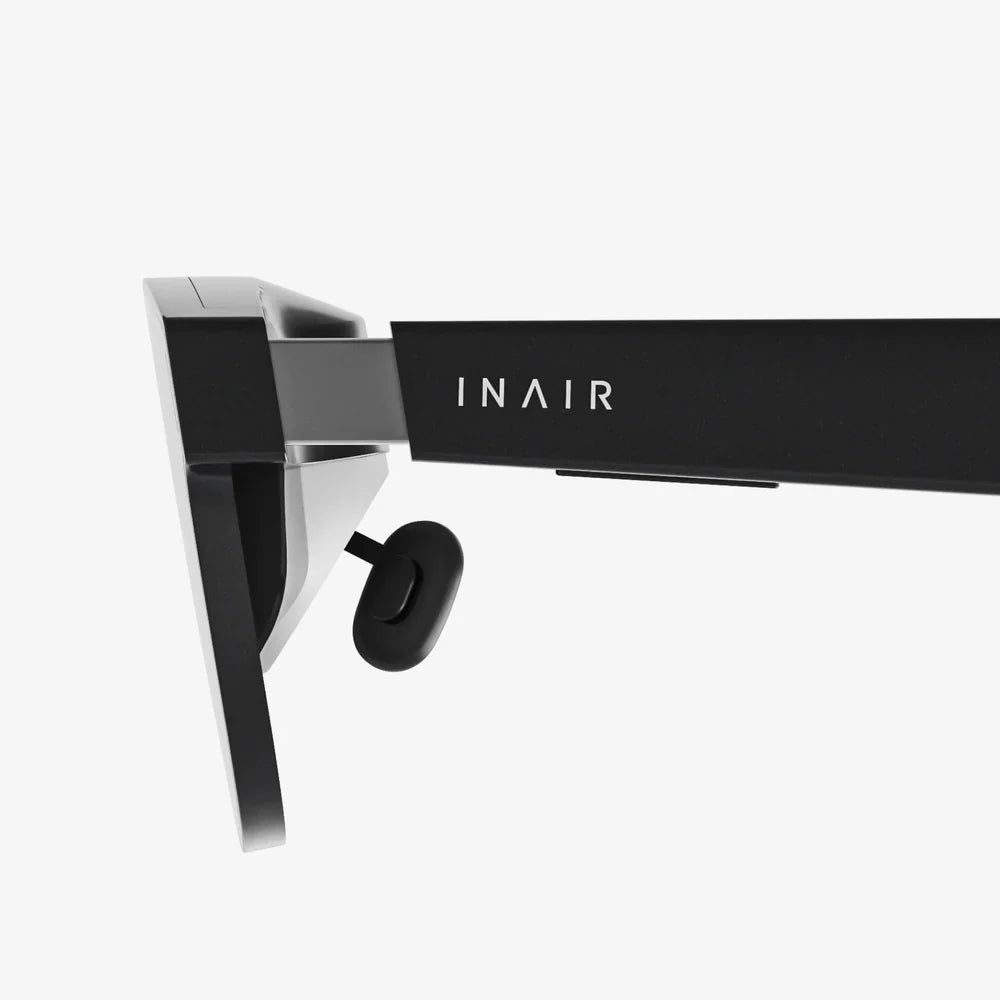
The world is on the cusp of a visual computing revolution, and it’s all happening right before our eyes—literally. Imagine a device that can translate foreign street signs in real-time, identify the species of a bird flying overhead, or provide you with a recipe while you look at your refrigerator. This isn't science fiction; it's the burgeoning reality of AI glasses, a wearable technology poised to seamlessly blend the digital and physical realms. But for the curious early adopter or the pragmatic professional, the first and most pressing question is a simple one: where does one even begin to acquire such a futuristic device? The market is a labyrinth of options, from established tech giants to ambitious startups, each promising a glimpse into the future. Navigating this landscape requires more than just a credit card; it demands insight, an understanding of the technology's current capabilities, and a clear vision of what you want these intelligent lenses to do for you. This guide is your essential roadmap, designed to demystify the process and lead you directly to the perfect pair of AI glasses for your needs, wallet, and vision of the future.
Understanding the AI Glasses Ecosystem: More Than Just a Display
Before embarking on your purchasing journey, it's crucial to understand what you're actually buying. AI glasses are not monolithic; they represent a spectrum of devices with varying focuses and functionalities. Fundamentally, they are wearable computers that use artificial intelligence to process information from their environment—via cameras, microphones, and other sensors—and present relevant data to the user through a visual interface, often a micro-display projected onto a lens.
Some models prioritize augmented reality (AR), overlaying digital graphics onto the real world for gaming, design, or navigation. Others focus on ambient computing, offering a more subtle, audio-first experience with a small heads-up display for notifications, translations, or transcription, aiming to keep you present in the moment rather than immersed in a screen. A third category is built around assistive technology and accessibility, designed to help those with visual or hearing impairments by describing scenes, identifying objects, or amplifying sounds.
This distinction is your first major waypoint. Are you a developer looking to build AR applications? A professional seeking hands-free access to manuals and remote expert guidance? Or a consumer wanting a discrete personal assistant? Your answer will dramatically narrow down the field and point you toward the right retailers and platforms.
The Major Marketplaces: Where the Giants Dwell
For the most recognizable and established products in the smart eyewear space, your first stops should be the official online stores of major technology companies. These platforms offer the security of buying directly from the source, ensuring you receive a genuine product, full manufacturer warranty, and direct customer support. They often provide the most comprehensive product information, detailed specifications, and high-quality promotional videos that demonstrate the device's capabilities in action.
Beyond the official brand stores, mainstream electronics retailers are a primary channel. These massive online marketplaces offer the convenience of one-stop shopping, user reviews, and sometimes competitive bundle deals. They act as aggregators for numerous brands, allowing you to compare different models side-by-side. Purchasing from these retailers often comes with their own customer protection policies and return windows, which can be more lenient than a manufacturer's direct policy. However, it is imperative to ensure you are buying from the retailer itself or their authorized sellers on the platform to avoid counterfeit goods.
The Frontier of Innovation: Crowdfunding and Direct-from-Startup
The most cutting-edge and niche AI glasses often bypass traditional retail entirely. For these innovative products, born in tech incubators and startup labs, the journey from concept to consumer is frequently funded by the community itself through popular crowdfunding platforms. These campaigns allow you to get in on the ground floor, often securing a significant discount as an early backer. You're not just buying a product; you're investing in an idea and a team, helping to bring a revolutionary piece of technology to life.
The trade-off, of course, is risk. Crowdfunding is not a store; it's a pledge towards a project that may face delays, specification changes, or, in worst-case scenarios, may not deliver at all. It requires thorough due diligence: scrutinizing the team's background, reading the campaign updates and comments, and understanding the timeline. For those who succeed, the reward is being among the first to experience a truly novel form of computing. After a successful campaign, these startups typically transition to selling directly through their own websites, offering a more mature product to a wider audience.
Key Considerations Before You Click 'Buy'
Impulse buying a piece of sophisticated technology like AI glasses is a recipe for disappointment. A mindful purchase involves evaluating a checklist of critical factors that go beyond the marketing hype.
Defining Your 'Why'
The single most important question is: what problem do I want these glasses to solve? Your use case is the North Star that will guide every other decision. A fitness enthusiast will prioritize different features than an industrial mechanic. Without a clear purpose, you risk investing in a device that becomes an expensive novelty.
The Battery Life Conundrum
AI processing and display projection are power-intensive tasks. Battery life is one of the most significant engineering challenges in this field. Specifications can range from a few hours of active use to a full day for more passive, audio-focused models. Consider your typical daily routine. Will you have opportunities to recharge? Does the device come with a portable charging case? This practical consideration is often the difference between a useful tool and a frustrating paperweight.
Design and Social Acceptability
Unlike a smartwatch you can hide under a cuff, glasses are front and center on your face. Their design—their weight, frame style, and overall bulk—is paramount. Early prototypes were often bulky and obtrusive, but the industry is rapidly moving towards designs that are indistinguishable from regular eyewear. This 'normalization' of design is critical for social adoption and all-day comfort. Can you see yourself wearing these every day?
The Privacy Imperative
Devices equipped with always-on cameras and microphones understandably raise privacy concerns. It is essential to research the company's data handling policies. How is the captured data processed? Is it done on the device itself (on-device processing) for privacy, or is it sent to the cloud? What controls do you have over the data? Transparency here is non-negotiable.
Software, Ecosystem, and Compatibility
The hardware is only half the product. The true potential of AI glasses is unlocked through its software and applications. Investigate the supported platform (iOS vs. Android), the health of its app store or skill ecosystem, and the company's track record of providing software updates. A device with powerful hardware but barren software is a dead end.
The In-Store Experience: Trying Before Buying
While the online market is vast, there is still immense value in the tactile, in-person experience. If possible, seek out flagship retail stores for major tech companies or high-end electronics boutiques in major metropolitan areas. These locations sometimes have demo units available, allowing you to experience the fit, comfort, and display quality firsthand. Trying on a pair for even five minutes can reveal more about their practicality than hours of online research. You can assess the field of view of the display, the clarity of the projection, and the overall feel on your nose and ears. This hands-on approach, though not always available, is the best way to ensure your investment is a sound one.
The Future is Already in Sight: What's Next?
The market for AI glasses is accelerating at a breathtaking pace. The technology that seems cutting-edge today will be obsolete in a few years. We are moving towards a future of even more miniaturized components, advanced display technologies like holographic waveguides, and AI models that are more contextual and intuitive. The next generation will likely be always-connected via cellular networks and will feature increasingly sophisticated spatial awareness, understanding and interacting with the geometry of the world around them in real-time. Keeping an eye on these trends is not just for tech enthusiasts; it informs a purchasing decision. Buying into a platform with a clear roadmap and a commitment to long-term development ensures your device evolves alongside the technology.
Your perfect pair of AI glasses is out there, waiting to be found. They are the key to a new layer of reality, a silent partner that enhances your perception and amplifies your capabilities. By starting with a clear purpose, carefully weighing the practicalities of design and battery life, diligently researching the right retail channels—from official stores to the adventurous world of crowdfunding—and prioritizing ethical data practices, you transform from a bewildered shopper into an informed pioneer. You're not just purchasing a gadget; you're casting a vote for the future you want to see, one where technology doesn't distract us from the world but helps us see it more clearly, understand it more deeply, and connect with it more profoundly. The journey to find them starts now.
Share:
What is AR vs VR: A Deep Dive Into the Realities of Our Digital Future
What Are The Best AI Glasses? A Deep Dive Into The Future On Your Face