


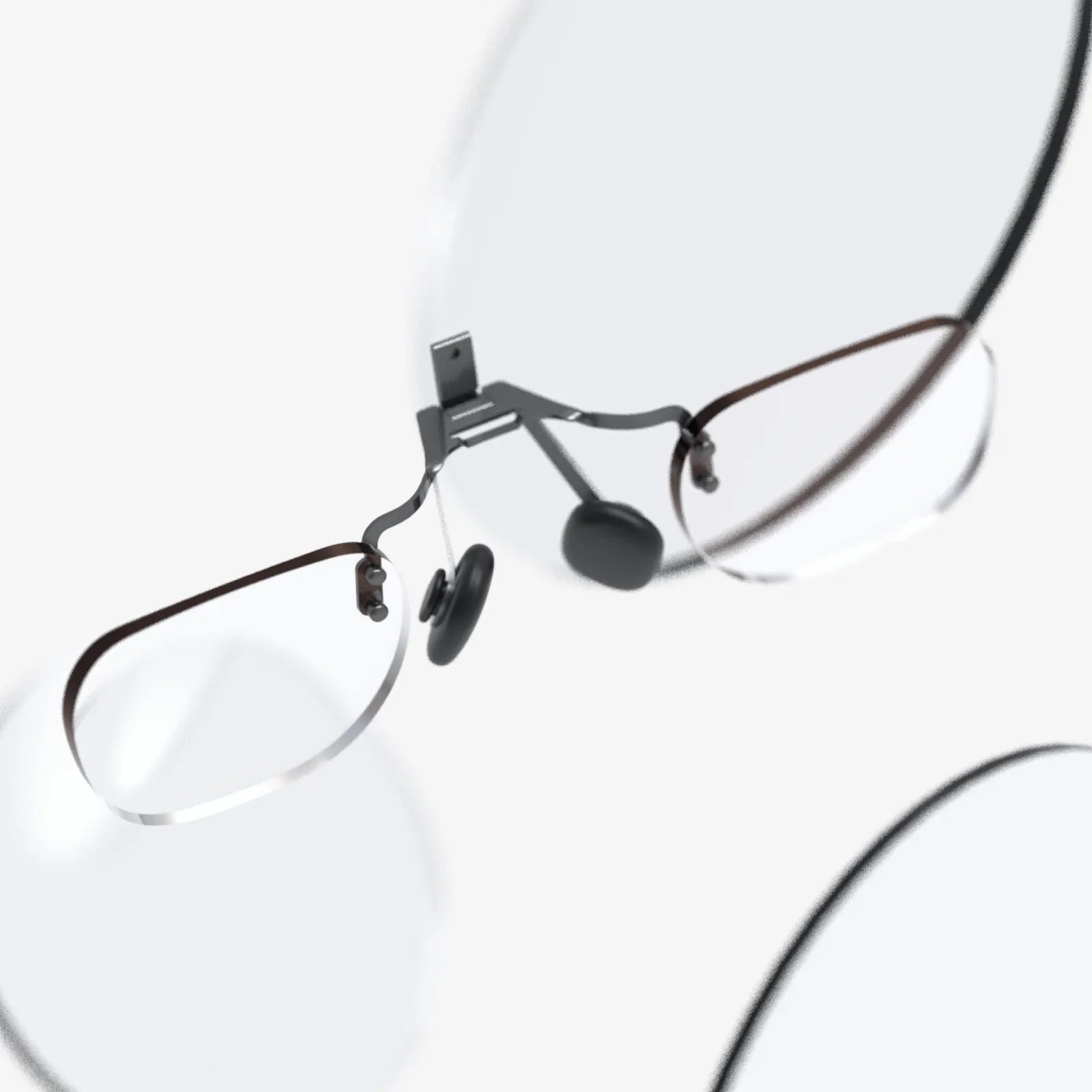
The digital and physical worlds are colliding in spectacular fashion, and the gateway to this new hybrid reality is an augmented reality device. You've seen the futuristic demos, read about the incredible potential, and now you're ready to step in. But a pressing question halts your journey before it even begins: where do you actually find one? The search can feel like a quest for a mythical artifact, but fear not. The AR marketplace is vast, varied, and more accessible than you might think. This definitive guide will illuminate every path, from the convenience of your web browser to the tactile experience of a physical store, ensuring you know exactly where to look to bring your augmented future into the present.
Understanding the AR Device Landscape Before You Buy
Before embarking on your purchasing journey, it's crucial to understand what you're looking for. The term "augmented reality device" encompasses a wide spectrum of technology, each with different use cases, price points, and, consequently, retail channels.
Firstly, there are smart glasses. These are the sleek, often consumer-focused wearables that overlay digital information onto your real-world view. They range from audio-focused companions that offer a heads-up display for notifications to full-color, immersive glasses capable of running complex applications.
Then, there are enterprise-grade headsets. These are bulkier, more powerful devices designed for industrial use. They are built for durability, with advanced sensors for spatial mapping and object recognition, and are used in fields like manufacturing, logistics, and medical surgery. Their distribution is often very different from consumer products.
Finally, don't forget that the most powerful AR device for many people is already in their pocket: their smartphone or tablet. While not a dedicated wearable, mobile AR leverages the device's camera and screen to create compelling augmented experiences through apps, making it the most accessible entry point into the technology.
Identifying your primary need—whether it's for entertainment, productivity, or industrial application—will directly inform the best places to search for your ideal device.
The Digital Marketplace: Online Retail Giants
The internet is, without a doubt, the most comprehensive resource for finding an augmented reality device. The sheer variety and abundance of options available online are unmatched by any physical location.
Major E-Commerce Platforms
Global e-commerce platforms are typically the first stop for most tech shoppers. These sites offer a one-stop-shop experience with user reviews, competitive pricing, and detailed product specifications.
- Advantages: You can compare dozens of models side-by-side, read through hundreds of user reviews to gauge real-world performance, and often benefit from fast shipping and straightforward return policies. These platforms frequently have sales events, offering chances to snag a device at a discount.
- Considerations: Be vigilant. Ensure you are purchasing from the official storefront of the manufacturer or a highly-rated, authorized retailer to avoid counterfeit products or unofficial imports that may lack proper warranty support. Always check the return policy specific to the seller.
Manufacturer Direct: Going Straight to the Source
For the latest and most guaranteed authentic products, the official website of an AR device maker is an excellent destination. Purchasing directly from the source ensures you receive the device exactly as the engineers intended, often with the full accessory kit and the most comprehensive warranty support.
- Advantages: Access to the complete product lineup, including developer editions or specialized kits not available elsewhere. You'll often get the newest hardware the day it's released and have direct access to customer support from the people who built the device. Many manufacturers also offer detailed compatibility guides and software development resources on their sites.
- Considerations: You might miss out on bundled deals sometimes offered by third-party retailers. Shipping might also be slower compared to a local warehouse stocked by a large online retailer.
Specialist Technology Retailers
Beyond the massive generalists, several online retailers specialize in computing and advanced technology. These outlets cater to a tech-savvy audience, including developers, IT professionals, and hardcore enthusiasts.
- Advantages: Their product curation is often superior, focusing on quality and innovation rather than sheer volume. The staff writing product descriptions and reviews are usually more knowledgeable about the niche specifics of AR technology. They may also offer better support for business-to-business purchases.
-
Considerations: The selection might be smaller than on a massive global platform, and prices may be less fluid.
The Tangible Experience: Brick-and-Mortar Stores
While online shopping offers convenience, there is no substitute for seeing and trying a piece of technology in person before you commit. For an immersive technology like AR, this hands-on experience is invaluable.
Flagship Electronics Stores
Major national and international electronics chains often dedicate sections to emerging technologies, including augmented and virtual reality. These stores are fantastic because they frequently have live demo units available for you to test.
- What to expect: You can physically feel the device's build quality, assess its comfort on your head, and see the quality of the display with your own eyes. Sales associates can provide immediate answers to basic questions. This is the best way to avoid the disappointment of ordering a device online only to find it uncomfortable or visually lacking.
- Pro tip: Call ahead to confirm if the specific models you're interested in are on display for demo. These sections can change frequently.
Carrier Stores
For AR glasses that are designed to work closely with or are sold by mobile network providers, their retail stores are a logical place to check. These devices are often positioned as accessories to the smartphone ecosystem.
- What to expect: You can often test the device's connectivity and functionality with the phones available in the store. Carrier stores may also offer payment plan options that integrate the device's cost with your monthly phone bill.
Specialty and Developer-Focused Shops
In major tech hubs and cities, you may find stores that specifically cater to developers, creators, and prototyping. These are less common but are treasure troves for cutting-edge hardware.
- What to expect: This is where you're more likely to find professional-grade and developer-kit devices. The staff will be exceptionally knowledgeable about the technical specifications and development potential of the products they carry.
Beyond Retail: Alternative Avenues to Explore
The hunt for an AR device doesn't end at traditional retail outlets. Several other channels can yield opportunities, especially for those seeking deals, specific models, or deeper industry connections.
The Second-Hand Market
Online marketplaces that facilitate person-to-person sales can be a great source for finding used augmented reality devices, often at a significant discount. This can be an ideal way to experiment with older developer kits or previous-generation consumer models without a massive financial outlay.
- Advantages: Lower cost. You might find discontinued or rare models that are no longer available new.
- Risks: You must be cautious. There is no warranty, and the device may have wear and tear or technical issues. Always insist on seeing the device functioning via a video call before purchasing and use secure payment methods that offer buyer protection.
Industry Trade Shows and Conferences
Events focused on augmented reality, virtual reality, gaming, or enterprise technology are hotspots for experiencing the latest devices. While you may not be able to walk out with a unit, it's the best place to see prototypes, talk to creators, and learn which devices are coming to market soon.
- How it helps: You gain firsthand experience with a multitude of devices in one place, helping you make a far more informed decision about what to buy later. You can get your questions answered by the actual engineers and product managers.
Professional and Academic Channels
For those seeking enterprise-level hardware, the sales process is often different. It frequently involves contacting the manufacturer's sales team directly for a demo and quote. Similarly, university students and faculty may have access to specialized educational pricing or equipment through their institution's tech department or library.
Pre-Purchase Checklist: What to Do Before You Click "Buy"
Now that you know where to look, arm yourself with a final checklist to ensure your investment is a sound one.
- Define Your Purpose: Are you a developer building an app, an enterprise user solving a logistics problem, or a consumer wanting a new media experience? Your use case dictates the required hardware.
- Research Compatibility: Does the device require a specific smartphone or computer to function? Ensure your existing tech ecosystem meets the minimum requirements.
- Read the Fine Print: Understand the warranty, return policy, and shipping costs from your chosen retailer. For expensive tech, a good warranty is paramount.
- Watch and Read Expert Reviews: Seek out detailed reviews from reputable tech publications and YouTube channels. They perform stress tests and long-term reviews that you can't get from a spec sheet.
- Consider the Software Ecosystem: A device is only as good as its apps. Research what applications and experiences are available for the platform to ensure it meets your needs.
The journey to finding your perfect augmented reality device is an adventure in itself, blending online research with real-world exploration. The market is dynamic, with new players and products emerging constantly. By leveraging the vast array of online retailers for comparison and convenience, and complementing that with the irreplaceable hands-on experience of brick-and-mortar stores, you are equipped to make a confident and informed decision. The world of AR is waiting to augment your reality; all you need to do is know where to look. Your perfect device is out there, and now you have the map to find it.
Share:
How to Use Augmented Reality in Android: A Developer's Complete Guide
What Do AI Glasses Actually Do - A Deep Dive Into The Future On Your Face