


- by wangfred
Where to Get Augmented Reality Technology: Your Ultimate Sourcing Guide
- by wangfred
The digital and physical worlds are colliding in spectacular fashion, and at the heart of this revolution lies augmented reality (AR) technology. No longer a futuristic concept confined to science fiction, AR is actively reshaping how we work, learn, shop, and play. But for businesses, developers, and curious innovators ready to dive in, the most pressing question isn't about the 'why'—it's about the 'how' and the 'where.' The quest to find the right AR tools, platforms, and hardware can feel like navigating a labyrinth, filled with technical jargon and a seemingly endless array of options. This guide is your trusted map, designed to demystify the landscape and illuminate the precise paths you can take to acquire the transformative power of augmented reality, tailored perfectly to your ambition and expertise.
Before embarking on your search, it's imperative to define your objective. The source you choose is entirely dependent on what you aim to achieve. Are you a developer looking to build a custom application from the ground up? A business seeking to integrate AR into your marketing strategy or operational workflow? Or an individual eager to experience AR through accessible consumer gadgets? Your goal is the compass that will direct you to the most appropriate destination.
For those who build, the journey begins with software. The core of most AR development lies in powerful Software Development Kits (SDKs) and versatile game engines. These toolkits provide the essential libraries, documentation, and APIs needed to create AR experiences that can understand and interact with the real world.
The market is dominated by a few key players, each offering a powerful suite of tools. These platforms are typically available directly from the providers' official websites and developer portals. They often offer free tiers for experimentation and learning, with scaled pricing for commercial deployment. Their core features include motion tracking, environmental understanding (like detecting planes and surfaces), and light estimation, which are the fundamental building blocks of any AR app.
While SDKs provide the AR-specific magic, most developers build their experiences within full-fledged game engines. These engines are the comprehensive创作环境 where 3D models, animations, physics, and interactivity come together. The leading engines have deeply integrated support for AR development, often through plugins or native functionality. They allow creators to design once and deploy across multiple platforms (iOS, Android, etc.), making them an incredibly efficient choice for cross-platform projects. These engines are available through subscription models, with versions available for individual creators, professional studios, and large enterprises.
For large organizations, the requirement extends beyond mere creation tools. They need robust, secure, and scalable platforms that can deploy AR across a global workforce, integrate with enterprise resource planning (ERP) and customer relationship management (CRM) systems, and provide detailed analytics. This is the realm of enterprise AR.
Specialized enterprise software companies offer comprehensive SaaS (Software-as-a-Service) platforms for AR. These solutions are acquired through direct sales contracts and licensing agreements. They often include:
These providers are found through industry conferences, technology consulting firms, and direct outreach. They cater to sectors like manufacturing, logistics, field services, and healthcare.
Enterprise hardware is a world apart from consumer gadgets. It's built for durability, safety, and all-day comfort. This category includes:
Acquiring this hardware typically involves working with the manufacturer's enterprise sales division or authorized industrial distributors and resellers. They often offer pilot programs, proof-of-concept projects, and volume-based pricing.
Not every business needs to build a complex app from scratch. Many simply want to leverage AR for marketing, product visualization, or customer engagement. A thriving ecosystem of web-based and app-based platforms has emerged to serve this need, requiring minimal technical knowledge.
WebAR is one of the most accessible forms of AR, as it runs directly in a mobile web browser without requiring users to download an app. Numerous SaaS platforms allow marketers and designers to create WebAR experiences through user-friendly interfaces. You can build experiences like:
These platforms are found online and are subscribed to on a monthly or annual basis, often with pricing based on the number of experiences or scans.
For businesses that want a dedicated app experience but lack an in-house development team, there are platforms that offer templated solutions or simplified app builders. These services handle the heavy technical lifting, allowing you to focus on content and branding. They are ideal for launching AR campaigns, event activations, or interactive product catalogs.
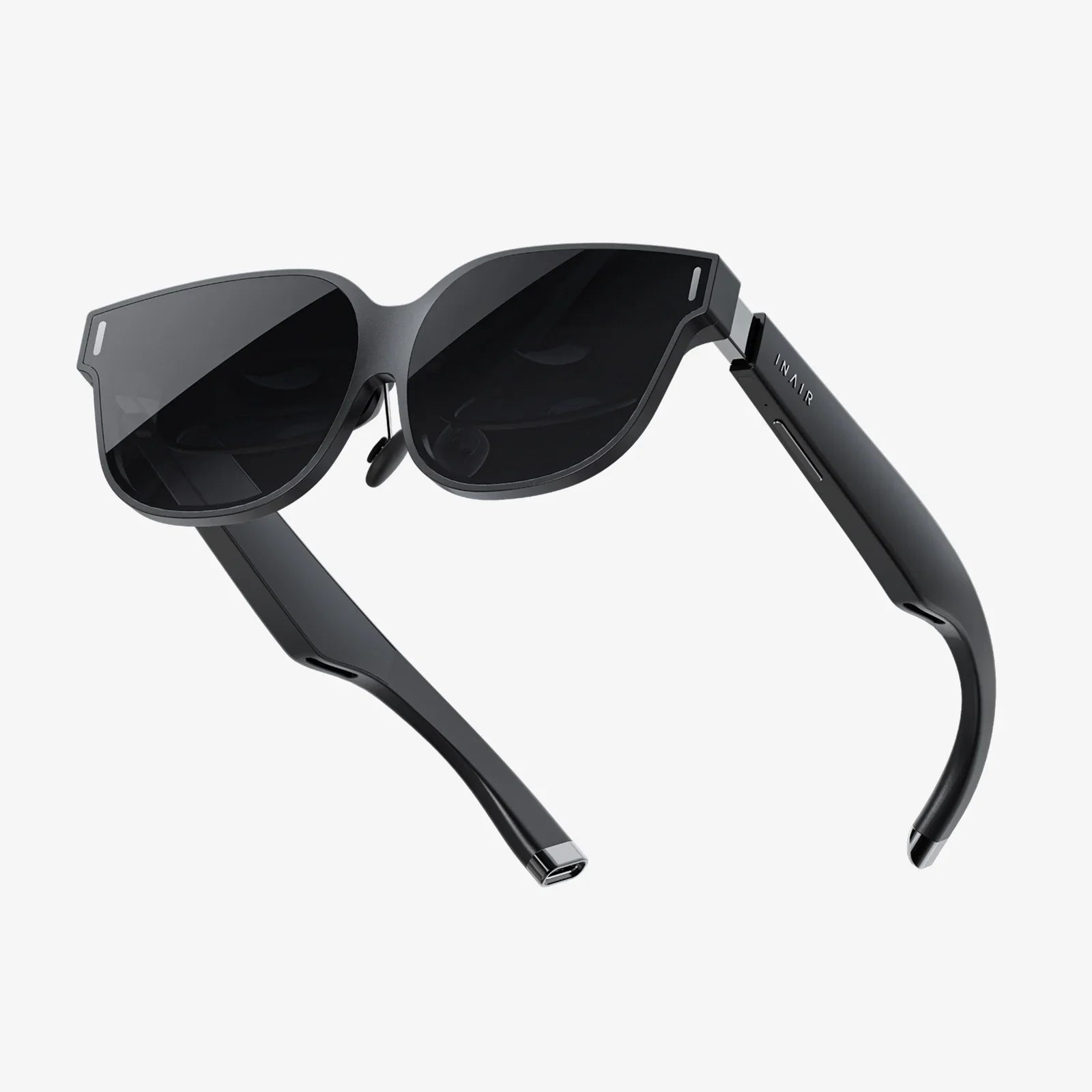
For the average user wanting to experience AR, the path is straightforward: consumer electronics retailers. The technology is increasingly embedded in the devices we already own.
Beyond the direct routes, several other channels are worth exploring.
Your search for the right source should be guided by a checklist of critical factors:
The portals to the augmented world are now wide open, waiting for you to step through. Whether you're a visionary developer coding the next breakthrough, a business leader aiming to revolutionize your industry, or a curious consumer ready to see your reality remixed, the tools are more accessible than ever before. Your journey into augmented reality starts not with a question, but with a choice—and the power to enhance your world is now just a few clicks, a consultation, or a store visit away.