


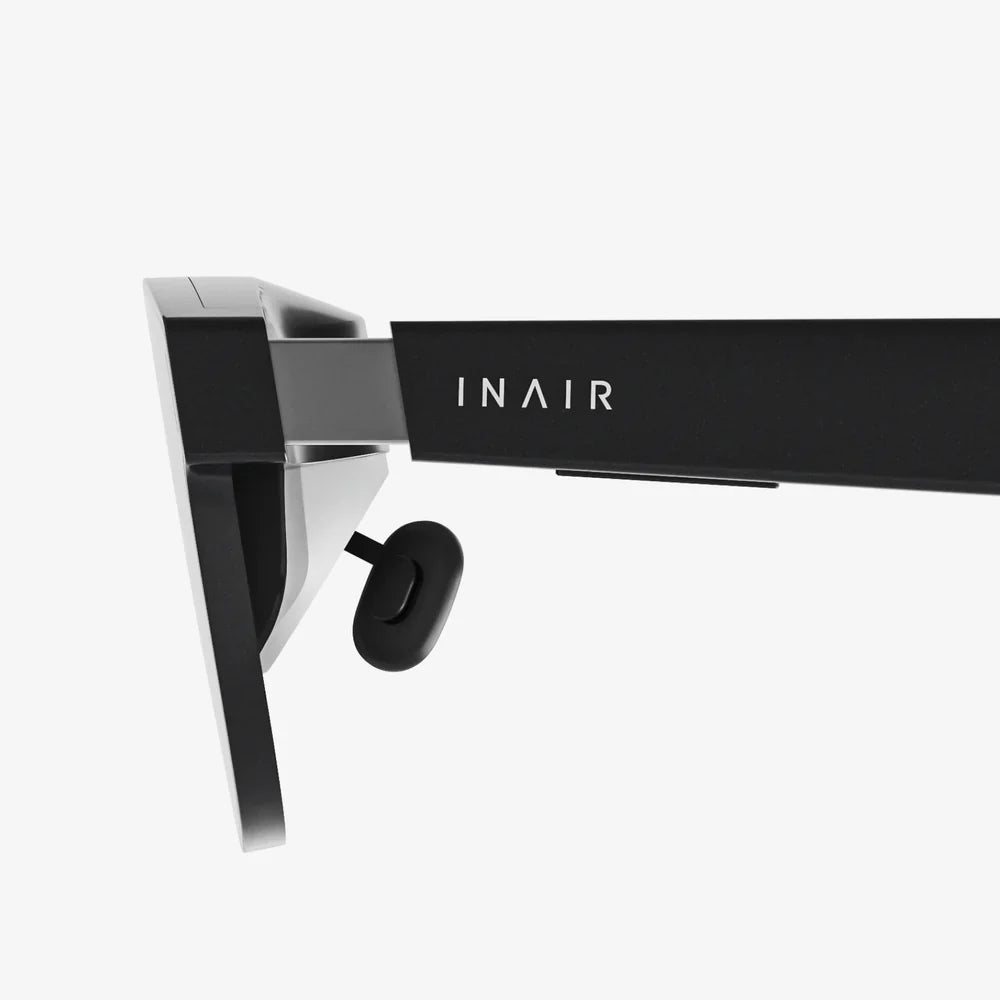
The digital and physical worlds are colliding in spectacular fashion, and the gateway to this new reality is perched right on the bridge of your nose. You’ve seen the headlines, watched the futuristic concept videos, and heard the promises of a world overlaid with digital information. But how do you move from curiosity to firsthand experience? The question on every tech enthusiast's mind is a simple one: where to try AR glasses? This isn't just about finding a product; it's about finding a portal. The hunt for a demo unit is the first step in a journey that will redefine how you work, play, and connect with the world around you. Strap in, as we embark on a global scavenger hunt to unlock the immersive world of augmented reality, one demo at a time.
The Retail Landscape: A Traditional Gateway
For many, the most logical starting point in the quest for where to try AR glasses is the familiar environment of major electronics retailers. These vast warehouses of technology have long been the destination for testing new gadgets, from the latest smartphones to high-resolution televisions, and they are increasingly becoming a hub for immersive tech.
Stores like Best Buy, Micro Center, and regional equivalents across the globe have begun dedicating shelf space to advanced computing platforms. While availability fluctuates and is often tied to specific partnerships, these retailers frequently host demo units for popular augmented reality glasses. The key advantage here is accessibility; these stores are ubiquitous in urban and suburban areas. A weekend trip to a local electronics megastore could yield a hands-on session. It’s always wise to call ahead to a specific location’s dedicated tech department to confirm if they have a working demo unit available, as inventory and display setups can change frequently.
Brand Experience Centers and Flagship Stores
For a more curated and comprehensive experience, seeking out a dedicated brand experience center or flagship store is often the gold standard for where to try AR glasses. Unlike a general retailer, these spaces are designed entirely around the ecosystem of a single technology provider.
Companies like Microsoft, Apple, Google, and Meta have invested heavily in flagship stores in major metropolitan areas like New York City, London, Tokyo, and San Francisco. These are not just stores; they are temples to technology. Here, you are more likely to find multiple demo units, knowledgeable staff specifically trained on the AR platform, and a environment designed to showcase the full potential of the device. You might be able to test different types of experiences, from productivity apps to immersive games, giving you a much richer understanding of the device's capabilities than a quick five-minute demo elsewhere. Planning a visit to one of these flagships, if you're in or near a major city, is arguably the most reliable method for a high-quality trial.
Tech Conferences and Industry Expos
If you want to see the absolute cutting edge and are serious about discovering where to try AR glasses, you need to go where the industry itself gathers. Technology conferences and expos are unparalleled environments for experiencing AR, VR, and all forms of spatial computing.
Events like the Consumer Electronics Show (CES) in Las Vegas, Mobile World Congress (MWC) in Barcelona, Gamescom in Cologne, or Augmented World Expo (AWE) across the USA and Europe are ground zero for new product announcements and, most importantly, extensive hands-on demo areas. At these events, dozens of companies, from industry giants to ambitious startups, set up booths specifically to let attendees try their latest AR prototypes and production models. The energy is infectious, and the variety is immense. You might try glasses focused on enterprise logistics in one booth and a pair designed for immersive storytelling in the next. Attending such an event requires planning and often travel, but for a deep dive into the state of the art, there is no better option.
The Rise of the Pop-Up Experience
A growing and exciting trend in the search for where to try AR glasses is the proliferation of temporary, experiential pop-up installations. Recognizing that their products need to be experienced to be believed, companies are taking to high-traffic public spaces to generate buzz.
You might find a pop-up demo station in the concourse of a busy shopping mall, at a popular airport, or in a major city's central square. These are often marketing activations designed for maximum visibility and engagement. They are typically announced through social media channels and local advertising. While their temporary nature makes them less predictable than a retail store, they offer a fun and often highly theatrical demo experience. Keep an eye on the social media accounts of companies developing AR glasses, as they will frequently announce these touring pop-up events, giving you a chance to catch them when they come to your area.
University Labs and Research Institutions
For those with an academic bent or a desire to see what’s coming five to ten years down the road, another answer to where to try AR glasses can be found on university campuses. Many leading universities with strong computer science, engineering, and media lab departments are actively developing AR technology.
Institutions like MIT, Stanford, University of Washington, and many others have labs dedicated to human-computer interaction and spatial computing. These labs often work on prototype hardware that is far more advanced than anything available commercially. While gaining access isn't as simple as walking into a store, many universities host open house events, industry liaison programs, or public lectures that sometimes include lab tours and technology demonstrations. For students and alumni, accessing these resources can be even easier. This path is less about trying a product you can buy tomorrow and more about glimpsing the future of the field.
Libraries and Public Tech Hubs
In a fantastic move toward democratizing technology, public libraries and community tech hubs are emerging as surprising and excellent venues for where to try AR glasses. As part of their mission to provide access to information and new technologies, many forward-thinking library systems have started building "maker spaces" or "innovation labs."
These community resources sometimes include AR and VR equipment that members can book time to use, often for free or a very low cost. While they may not have the very latest consumer models, they often have enterprise-focused or developer-oriented kits that provide a solid understanding of AR functionality. Checking the website of your local city or regional library system for a list of technology offerings is a great first step. Similarly, non-profit tech hubs and incubators in many cities also host equipment that members can use, providing another avenue for exploration.
What to Do When You Finally Try Them
Finding a location is only half the battle. Knowing how to properly evaluate the experience is crucial. When you finally get your hands on a pair, don't just put them on and take them off. Be deliberate.
- Test the Visual Fidelity: Look for text clarity, color saturation, and the dreaded "screen door effect." How does the digital image blend with the real world?
- Assess the Comfort: How do they feel on your face? Are they heavy? Do they fit over your prescription glasses if you need them to? How do they feel after five minutes? Ten?
- Evaluate the Interaction: How do you control the experience? Is it via hand tracking, a voice assistant, a companion device, or a handheld controller? How intuitive and responsive is it?
- Consider the Field of View (FOV): This is critical. Is the digital content confined to a small postage stamp in the center of your vision, or does it fill a significant portion of your view?
- Imagine the Use Case: During the demo, actively imagine using this for your own life. Could you see yourself using this for work? For watching movies? For navigation?
The Future of Trying AR Glasses
The pathways to experiencing AR are rapidly multiplying. The industry is moving toward more accessible try-on programs, including at-home trial kits mailed directly to consumers, similar to services offered by online eyewear retailers. The growth of AR-powered shopping apps also allows for a form of virtual try-on, where you can see how digital frames look on your face through your smartphone camera. While not the same as experiencing full spatial computing, it's a step toward familiarizing the public with the concept. As the technology becomes smaller, more powerful, and more socially accepted, the question of where to try AR glasses will likely evolve into simply walking into any number of ubiquitous locations, much like trying on a pair of sunglasses today.
The hunt for the perfect demo is more than a consumer quest; it's a rite of passage into the next era of computing. That moment you first see a persistent digital object anchored perfectly in your physical space—a holographic weather forecast hovering by your window, a virtual screen displaying your emails on your real desk—is a moment of pure magic. It’s a glimpse into a future where our digital and physical lives are not separate, but seamlessly intertwined. This experience is the key that unlocks understanding, and it’s an experience that cannot be adequately conveyed through a spec sheet or a video review. You have to see it to believe it. You have to step through the portal yourself. So, start your search, find a demo near you, and prepare to have your reality—quite literally—augmented.
Share:
Why Doesn't Smart View Work? A Comprehensive Troubleshooting Guide
How Do Smart Assistants Work: The Digital Magic Behind Your Voice Commands