


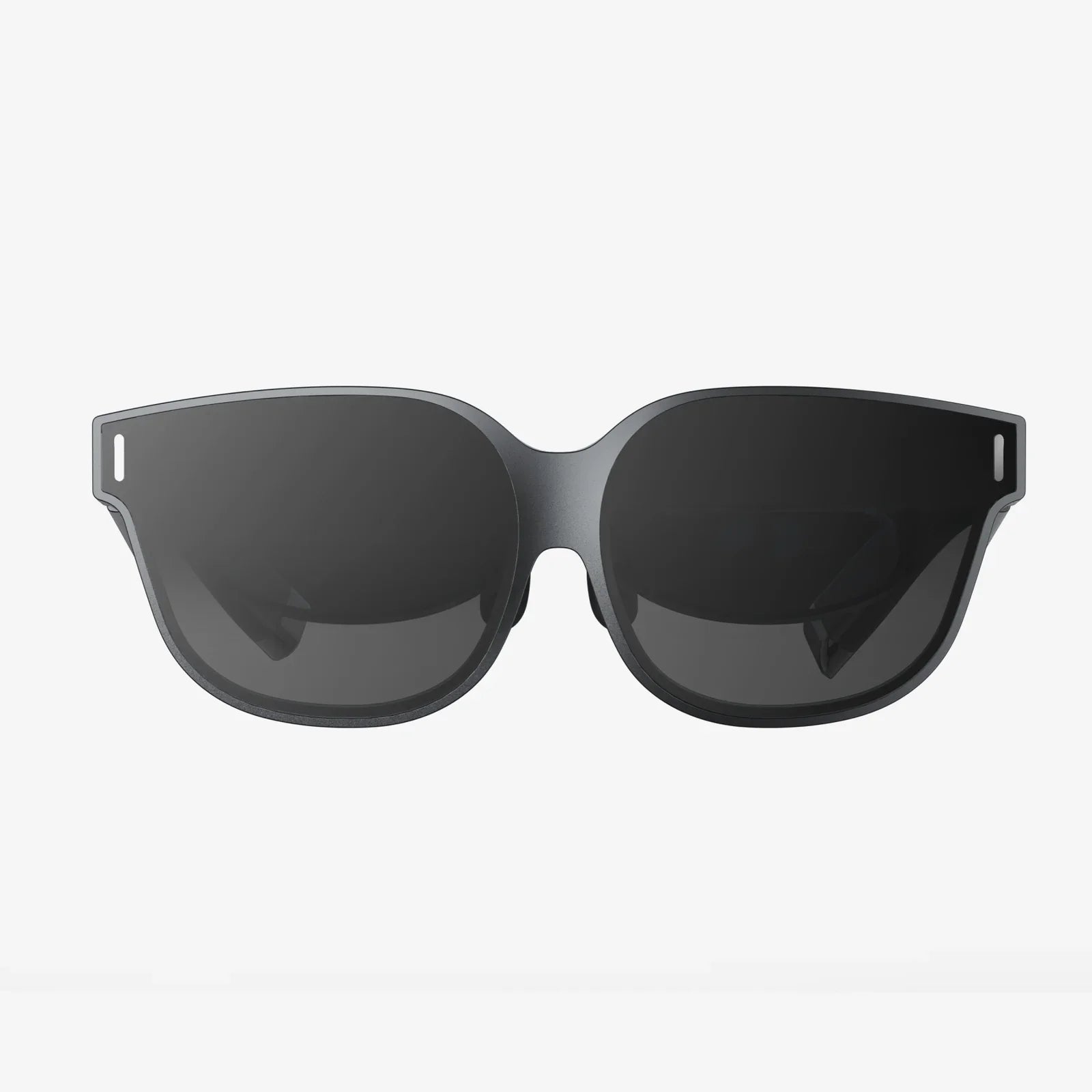
Imagine a world where information flows seamlessly into your field of vision, where language barriers dissolve in real-time, and your surroundings become an interactive canvas—all without ever looking down at a screen. This is the tantalizing promise of AI glasses, a technology poised to revolutionize how we interact with the digital world. The question on everyone's mind isn't just if they're the future, but specifically, which AI glasses are best for turning this sci-fi dream into a practical, everyday reality. The answer is more nuanced than a simple product name; it's a journey through capability, design, and a vision of an augmented life.
Beyond the Hype: Defining the "AI" in AI Glasses
Before diving into comparisons, it's crucial to understand what truly constitutes AI-powered eyewear. These are not merely displays attached to frames. The core differentiator is on-device or seamlessly integrated artificial intelligence that processes information contextually. This means the glasses can see what you see, hear what you hear, and provide intelligent responses without constant intervention.
Key AI functionalities include:
- Real-time Translation: Overlaying translated subtitles onto a conversation with someone speaking a foreign language.
- Computer Vision: Identifying objects, reading text aloud, or providing information about your surroundings, like landmarks or menu items.
- Voice Assistant Integration: A hands-free, always-available assistant that is more intuitive than a smartphone-based one because it's contextual.
- Advanced Noise Cancellation: Using AI to isolate and enhance specific sounds, like your companion's voice in a noisy room, while blocking out background chatter.
The Contenders: A Spectrum of Form and Function
The market for AI glasses is not a monolith. It's a spectrum ranging from audio-focused smart glasses to full-fledged augmented reality (AR) headsets. Determining which is best depends entirely on your primary use case.
The Audio-First Pioneers
This category prioritizes discreet, high-quality audio and a voice assistant experience. They often look like stylish, conventional glasses but house speakers in the temples. Their "AI" power typically comes from a deeply integrated smartphone connection, handling queries, translations, and music through a companion app. Their strength is their all-day wearability and social acceptability. They are best for someone who wants a hands-free audio experience with light AI augmentation rather than a full visual overlay.
The Visual AR Innovators
These devices feature micro-displays that project information, images, and video directly into your line of sight. This is where the true "augmented reality" experience lives. They are packed with sensors, including cameras, depth sensors, and inertial measurement units (IMUs), to understand and map the environment. The AI here is far more advanced, processing complex visual data in real-time. The trade-off is that the form factor is often bulkier, battery life can be shorter, and the price is significantly higher. They are best for developers, enterprise users (for tasks like remote assistance and training), and early adopters seeking the most immersive experience.
The Hybrid Approach
Emerging models are attempting to bridge the gap, offering a more subtle visual element—like a small, monochrome LED display for notifications and basic info—while maintaining the sleek profile of audio-first glasses. This represents a compelling middle ground for many users.
Key Criteria for Determining the "Best" AI Glasses
With the categories in mind, you can evaluate options based on these critical factors.
1. Design and Wearability
This is arguably the most important factor. The best AI glasses in the world are useless if you don't want to wear them. Key considerations include:
- Weight and Comfort: Can you wear them for an entire day without fatigue?
- Aesthetics: Do they look like normal glasses? Are there multiple frame style options to suit your taste? This is vital for social acceptance.
- Prescription Compatibility: Can the lenses be swapped for prescription lenses, or are they only available as non-corrective inserts? For many, this is a deal-breaker.
2. Display Technology and Visual Experience
For glasses with visual capabilities, the display is everything. Evaluate:
- Brightness and Clarity: Is the image visible in bright sunlight? Is the text sharp and easy to read?
- Field of View (FoV): A wider FoV means digital objects feel more immersive and native to your environment. A narrow FoV can feel like looking through a small window.
- Color vs. Monochrome: Full-color displays are more engaging but can consume more power. Monochrome displays are often sufficient for notifications and basic data.
3. Audio Quality
Even for visually-focused glasses, audio is key for assistants and notifications. For audio-first glasses, it's paramount. Look for:
- Open-Ear Audio Quality: How clear is the sound? Does it leak significantly, allowing others nearby to hear?
- Call Quality: How well do the beamforming microphones pick up your voice and cancel noise during calls?
4. Battery Life and Performance
AI processing is computationally intensive. Battery life can vary wildly:
- Active Use: How long will the glasses last with the display and AI features active?
- Standby/Audio-Only: How long do they last if used primarily for music and occasional commands?
- Charging Case: Does it come with a case that provides additional charges on the go?
5. The AI and Software Ecosystem
The hardware is just a shell without powerful software. This is where the true " intelligence" is defined.
- Native Features: What can the glasses do without a phone? On-device AI processing is faster and more private.
- App Ecosystem and Integrations: Can they connect to your calendar, messaging apps, and navigation tools? Is the platform open for developers to create new experiences?
- Privacy Controls: Given that they have cameras and microphones, how do they handle data? Are there clear physical indicators (like LED lights) when recording? Can you easily disable sensors?
6. Price and Value
The cost ranges from a few hundred to several thousand dollars. Align the price with the features you will actually use. Are you paying for a premium design, cutting-edge AR capabilities, or a robust audio experience?
The Future of Sight: Where AI Eyewear is Headed
The current generation of AI glasses is just the beginning. The trajectory points toward several key advancements that will further blur the line between the digital and physical worlds. We are moving toward even more miniaturized components, with advances in waveguide technology and laser projection systems creating brighter, wider displays in slimmer frames. Battery technology and low-power chipsets will continue to improve, enabling all-day AR use. The most significant leap will be toward true contextual awareness, where your glasses will not just respond to commands but anticipate your needs based on what you're looking at, where you are, and what you're doing, becoming an indispensable cognitive partner.
Finding Your Perfect Pair: It's About Your Worldview
So, which AI glasses are best? The answer is deeply personal. The best AI glasses for a tech enthusiast who craves a full AR experience are not the best for a frequent traveler who needs real-time translation and discreet directions. The best for a professional seeking hands-free workflow assistance are not the best for a runner who wants immersive audio and performance metrics. The journey to finding your ideal pair requires honest introspection about your daily life. Identify the problem you want to solve or the experience you want to enhance. Is it auditory, visual, or both? Prioritize wearability above all else, because technology that stays in your drawer is a failed technology. Then, weigh the ecosystem and privacy considerations carefully. The perfect pair of AI glasses won't just be a device you own; they will become a seamless extension of your senses, quietly amplifying your reality in a way that feels nothing short of magical.
The race to dominate your field of vision is heating up, and the stakes have never been higher. While today's options offer a compelling glimpse into an augmented future, the relentless pace of innovation promises thinner frames, longer battery life, and AI that understands not just your commands, but your intent. Choosing the right pair now is less about finding a perfect endpoint and more about selecting a platform that will evolve with you, transforming from a novel gadget into your most intuitive digital companion. The future is looking bright, and it's being viewed through a smarter lens.
Share:
What AR and VR Look Like: A Journey Through the Digital Lens
Inventor of AR VR: The Untold Story of a Vision Decades in the Making