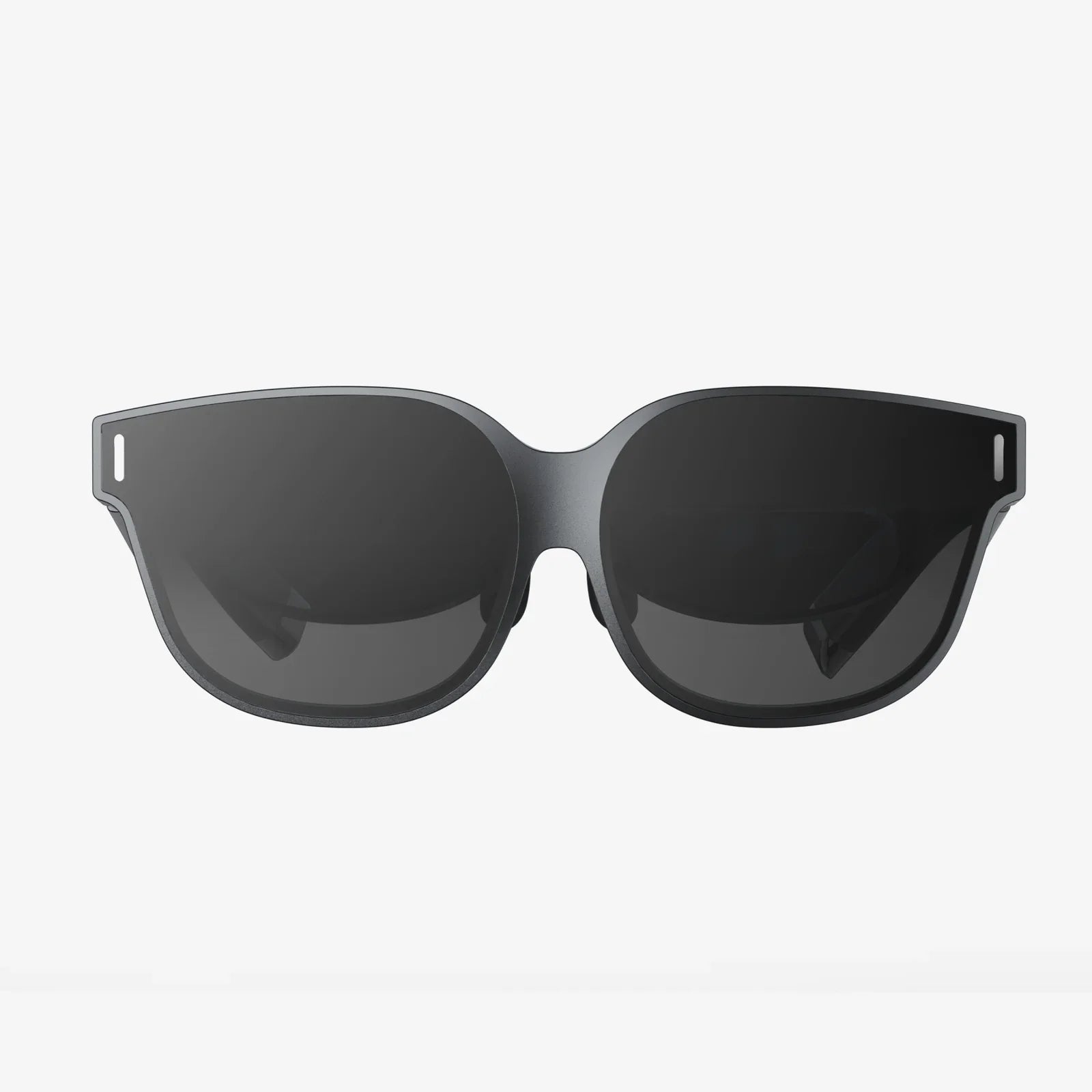
Stepping into virtual reality is like unlocking a new dimension of experience, but the first and most crucial step is choosing your portal. The question isn't just about specs and price; it's about finding the gateway that will seamlessly integrate into your life, your passions, and your sense of wonder. The market is a mosaic of options, each promising unparalleled immersion, but the "best" headset is a deeply personal choice, a key that fits only your lock. This guide is designed to demystify the process, moving beyond brand names to focus on the core technologies and experiences that truly matter, empowering you to make an informed decision on which is the best virtual reality headset for you to buy.
Beyond the Hype: Defining Your "Best" in Virtual Reality
Before comparing technical specifications, the most important analysis is an internal one. The perfect headset for a competitive gamer is a nightmare for a frequent traveler, and the ideal device for a creative professional is overkill for a casual user. Your journey begins by asking a few fundamental questions.
What is Your Primary Use Case?
Your intended use is the North Star that will guide your entire decision-making process.
-
PC-VR Gaming: Are you seeking the highest-fidelity, most immersive gaming experiences with graphically rich titles? This path requires a powerful computer and a headset that acts as a display portal.
-
Standalone Convenience: Do you value freedom of movement, ease of use, and the ability to jump into VR anywhere, without being tethered to a computer? This is the domain of all-in-one headsets.
-
Work and Productivity: Are you looking to use VR for virtual meetings, 3D design, architecture, or data visualization? This requires high-resolution displays, comfort for extended wear, and specific software support.
-
Fitness and Exercise: Is your goal to break a sweat with engaging workout apps? This demands a comfortable, secure fit, good ventilation, and durable, easy-to-clean materials.
-
Media Consumption: Do you dream of having a personal cinema screen for movies and shows? Here, display quality and comfort are paramount.
What is Your Technical Context?
Be honest about your existing tech ecosystem and technical tolerance.
-
Gaming PC: Do you own a sufficiently powerful computer with a compatible graphics card? Check the specific requirements for PC-driven headsets.
-
Smartphone: Some older, more basic VR platforms rely on slotting a smartphone into a headset. While affordable, this category offers a significantly limited experience.
-
Technical Comfort: Are you willing to set up external sensors or base stations for tracking, or do you prefer the simplicity of inside-out tracking that requires no external hardware?
What is Your Budget Reality?
Cost extends beyond the initial purchase of the headset.
-
Headset-Only Cost: The price of the unit itself.
-
Total Cost of Ownership: Factor in the cost of mandatory accessories, additional controllers, premium facial interfaces, a powerful PC (if needed), and, importantly, the software library you wish to build.
Deconstructing the Technology: The Specs That Actually Matter
Now that you have a sense of your needs, let's decode the terminology. Understanding these core components will allow you to cut through marketing speak and evaluate headsets on their true merits.
Display and Visual Fidelity: Your Window to the Virtual World
This is often the most discussed aspect, and for good reason. It directly impacts immersion and comfort.
-
Resolution: Measured in pixels per eye (e.g., 1832 x 1920). Higher numbers generally mean a sharper, clearer image with less "screen door effect" (the visible lines between pixels). However, it's not the only factor.
-
Refresh Rate: Measured in Hertz (Hz), this is how many times the image refreshes per second. A higher refresh rate (90Hz, 120Hz, and now up to 120Hz) leads to smoother motion, which is critical for reducing simulation sickness and enhancing realism in fast-paced games.
-
Lens Technology: The quality of the lenses between your eyes and the screens is paramount. Fresnel lenses are common but can cause god rays and glare in high-contrast scenes. Pancake lenses are a newer, superior technology that allows for a much thinner and lighter headset design with a larger "sweet spot" and dramatically reduced glare.
-
Field of View (FoV): This is the extent of the virtual world you can see, measured diagonally in degrees. A wider FoV (110°+) feels more immersive and natural, like scuba goggles, whereas a narrow FoV can feel like looking through binoculars.
Tracking and Controllers: How You Interact with the Digital Realm
Precise tracking is what makes VR feel real and responsive.
-
Inside-Out Tracking: Cameras on the headset itself track the controllers and your movement in the room. This is the standard for modern standalone and many PC headsets. It requires no external hardware, making setup trivial and allowing for easy portability. Performance can vary based on lighting conditions and camera placement.
-
Outside-In Tracking: External sensors or base stations placed around your play area precisely track the position of the headset and controllers. This method is often considered the gold standard for absolute precision and reliability, especially for competitive gaming or applications requiring sub-millimeter accuracy. The trade-off is a more complex setup and being locked to a single room.
-
Controller Design: Ergonomic, intuitive controllers are essential. Look for features like haptic feedback (subtle vibrations), finger tracking (the ability to detect individual finger movements beyond just grip triggers), and a comfortable, balanced design for long sessions.
Form Factor and Comfort: The Forgotten Frontier
A technically perfect headset is useless if it's unbearable to wear.
-
Weight Distribution: Is the weight front-heavy? A well-designed counterbalancing strap system is crucial for long-term comfort. Elite-style straps that cup the back of the head are often a worthwhile upgrade.
-
Battery Life and Management: For standalone devices, battery life is a key consideration. Some designs feature a rear-mounted battery that also acts as a counterweight, a brilliant solution for comfort and longevity.
-
Materials and Ventilation: Lightweight materials and breathable fabrics prevent the headset from becoming a sweaty, uncomfortable burden, especially during fitness applications.
-
IPD Adjustment: Interpupillary Distance (IPD) is the distance between your pupils. A physical IPD adjustment (sliding lenses) is vastly superior to a software-only solution for achieving a clear, comfortable image and avoiding eye strain.
The Content Ecosystem: The World You'll Inhabit
The hardware is just a vessel; the software is the soul. The value of a headset is intrinsically linked to the platform it connects to.
The Walled Gardens and Open Platforms
Most major standalone headsets operate within a specific "walled garden" or storefront. You purchase apps exclusive to that platform. This means your investment in software is tied to that ecosystem. Some PC-based headsets are more agnostic, allowing you to access multiple storefronts, giving you more choice and flexibility in where you buy your software.
Backward and Forward Compatibility
Does the platform have a large, established library of proven, high-quality titles? Is there a strong pipeline of new and exciting games and experiences announced for the future? A healthy ecosystem with active developer support is a sign of a platform with longevity.
Exclusive Titles
Many platforms fund the development of high-profile games that are available only on their hardware. The presence of "killer apps"—must-play exclusive titles—can be a significant deciding factor.
Navigating the Current Landscape: A Typology of Headsets
Rather than naming names, let's categorize the dominant types of headsets available today, outlining their ideal user and key trade-offs.
The All-in-One Standalone Powerhouse
This category represents the current mainstream. These devices have all the necessary computing power, displays, and tracking built directly into the headset.
Ideal For: Users seeking a wireless, hassle-free entry into high-quality VR. Gamers who value convenience and social apps, fitness enthusiasts, and media consumers.
Pros: Completely wireless and portable; no PC required; quick and easy setup; often more affordable than a PC setup; increasingly powerful.
Cons: Graphical processing power is less than a high-end gaming PC; graphical fidelity in games is lower; battery life limits session length; tied to a specific content ecosystem.
The High-End PC-Connected Specialist
These headsets are designed to be tethered to a powerful gaming computer, which does all the heavy graphical lifting.
Ideal For: Enthusiasts and hardcore gamers who demand the absolute highest visual fidelity, performance, and precision; professionals in design and simulation.
Pros: Unmatched graphical quality and performance; access to the vast library of PC VR titles; often more open software platforms; can use outside-in tracking for supreme accuracy.
Cons: Requires a expensive, high-end gaming PC; physically tethered by a cable, which can break immersion; more complex setup process; generally the most expensive overall option.
The Wireless Hybrid
A growing category that seeks to offer the best of both worlds. These are primarily standalone devices that can also connect to a gaming PC, either via a high-speed wireless connection or a cable.
Ideal For: The VR enthusiast who wants flexibility. They can enjoy the convenience of standalone apps and the breathtaking quality of PC VR, all from one device.
Pros: Extreme versatility; one headset for two purposes; wireless PC VR is a transformative experience.
Cons: Often a premium price point; wireless PC VR requires a very strong, dedicated Wi-Fi 6/6E network for optimal performance.
Making Your Final Decision: A Practical Checklist
Armed with this knowledge, you can systematically evaluate any headset. Use this checklist to score your options.
-
Align with Use Case: Does it excel at my primary intended activity (gaming, fitness, etc.)?
-
Check Technical Compatibility: Do I own the required PC? Is my play space suitable?
-
Evaluate Key Specs: Does it have a high-resolution, high-refresh-rate display? Does it use advanced pancake lenses? What is the FoV?
-
Assess Tracking: Is the tracking method (inside-out/outside-in) sufficient for my needs?
-
Consider Comfort: Based on reviews, is it comfortable for long sessions? Is the weight well-distributed?
-
Audit the Ecosystem: Does its platform have the games and apps I want to use? Are there compelling exclusives?
-
Calculate True Cost: Have I factored in the cost of the headset, necessary accessories, PC upgrades, and software?
The journey to find your perfect virtual reality headset is a thrilling one, a puzzle where the final picture is your future enjoyment. By prioritizing your personal needs over marketing claims and understanding the technology that drives true immersion, you move from being a confused shopper to an empowered consumer. Forget the endless search for a single objective "best"—the winner is the headset that disappears on your face, leaving you utterly lost in worlds of your own choosing, and that is a victory defined by you alone.