


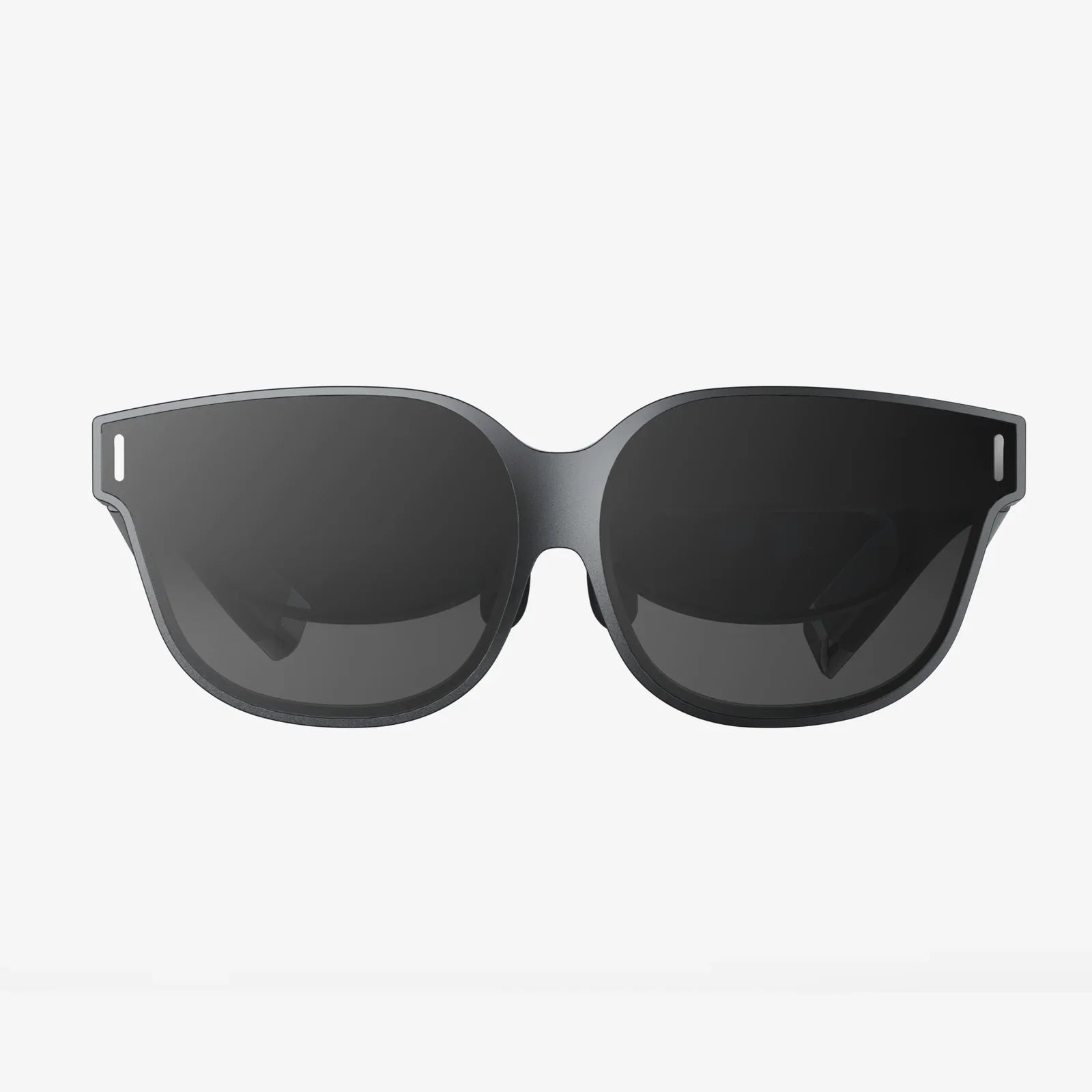
The digital frontier is calling, and the gateway has never been more tantalizing. You feel the pull, the curiosity about what lies beyond the screen, a world rendered in breathtaking detail and waiting for you to step inside. The question on everyone's mind, from the tech-obsessed early adopter to the casually curious, is a simple one with a complex answer: which is the newest VR headset, and what does its arrival mean for the future of how we play, work, and connect? The race to dominate your field of view is hotter than ever, and the latest entrants are not just incremental upgrades; they are monumental leaps that are redefining the very essence of virtual immersion.
The Evolutionary Leap: Beyond Resolution and Refresh Rates
To understand the newest generation of VR hardware, one must first appreciate how far we've come. The earliest consumer devices were marvels of their time, but they were often bulky, tethered to powerful computers, and offered a visual experience that, while revolutionary, was undeniably pixelated. The current wave of headsets addresses these fundamental limitations with a suite of technologies that work in concert to create seamless, convincing, and comfortable immersion.
The most significant battleground is visual fidelity. The newest devices have largely abandoned the standard LCD panels of yesteryear in favor of Pancake Lenses. This optical breakthrough allows for a drastically reduced distance between the display and the user's eyes, slimming down the headset's form factor while simultaneously expanding the field of view and edge-to-edge clarity. Gone are the days of the "binoculars effect"; the virtual world now feels expansive and natural.
Paired with these advanced lenses are Micro-OLED displays. Unlike their LCD predecessors, these self-emissive panels deliver true, inky blacks, an exceptionally high contrast ratio, and vibrant, saturated colors. With resolutions pushing well beyond the "retina" threshold—often exceeding 4K per eye—the dreaded "screen door effect" has been virtually eliminated. The result is a visual experience that is staggeringly crisp and lifelike, making text legible and distant objects in virtual environments sharp and defined.
Untethered Freedom and Computational Power
Another defining characteristic of the latest hardware is the move towards complete self-containment, or standalone operation, without sacrificing performance. Early standalone headsets were convenient but often underpowered, capable of running only mobile-grade experiences. The newest generation shatters this compromise.
At the heart of these devices are bespoke, cutting-edge processors designed specifically for the immense task of spatial computing. These chips are not just about raw graphical power; they are engineered to handle a complex array of tasks simultaneously: high-fidelity rendering, advanced inside-out tracking, sophisticated passthrough vision, and intelligent environment understanding, all while managing thermal and power efficiency to ensure comfortable use.
This standalone power enables true untethered freedom. Users are no longer confined by a cable linking them to a computer. They can turn, crouch, and move through physical and virtual space without a second thought. This liberation is paramount for achieving full presence, the feeling of truly "being there" in the virtual world. For those who still crave the absolute pinnacle of graphical fidelity from high-end desktop systems, many of the newest headsets also offer a PC VR streaming mode, providing the best of both worlds: cord-free convenience with the option to tap into a desktop's immense power when desired.
The Real World as a Feature: High-Fidelity Passthrough
Perhaps the most futuristic feature defining the newest VR headsets is the implementation of high-resolution, full-color video passthrough. Earlier attempts at passthrough were often grainy, laggy, and disorienting, useful only for briefly avoiding a coffee table. The latest sensors and processing have transformed this from a basic safety feature into a core pillar of the experience, often referred to as Mixed Reality (MR).
Using stereoscopic color cameras, the headset can now reconstruct your physical surroundings in real-time with stunning clarity and minimal latency. This isn't just a video feed; it's a digitally enhanced window into your reality. This technology enables a new class of applications: life-sized virtual monitors placed on your physical desk for productivity, virtual characters and objects interacting with your real-world furniture, and immersive training simulations that overlay instructions onto real-world equipment. It blurs the line between the digital and the physical, creating a blended space where both can coexist and interact.
Intuitive Interaction: The End of the Controller?
Interaction is just as important as vision. The newest systems are pushing beyond the standard handheld controllers, which, while effective, still serve as a constant reminder that you are holding a tool. The frontier of interaction is inside-out tracking and hand tracking.
Cameras mounted on the headset itself continuously map the environment and track the user's hands with incredible precision, down to individual finger movements. This allows for intuitive, controller-free interaction with the virtual world—pointing, grabbing, pinching, and gesturing as you would in real life. This technology is rapidly moving from a neat demo to a reliable primary input method, making the virtual experience feel more natural and accessible, especially for new users who may find controllers intimidating.
Furthermore, this onboard intelligence allows for automatic room scanning. The headset can quickly understand the geometry of your space, identifying walls, floors, furniture, and even differentiating between a couch and a table. It can then persistently remember this layout, allowing virtual objects to be placed and remain in your physical space across sessions, a fundamental requirement for a seamless mixed-reality future.
The Competitive Landscape: A Battle of Philosophies
The release of several flagship devices in a relatively short period has created a fascinating and highly competitive landscape. It's no longer a one-horse race. Each major player is pushing a slightly different vision for the future of VR/MR, and their latest hardware reflects these distinct philosophies.
One prominent approach champions the all-in-one ecosystem. This philosophy centers on a sleek, standalone device designed for maximum accessibility and social connectivity. It prioritizes a vast, curated library of content, seamless integration with a broader ecosystem of devices and services, and a strong focus on user-friendly features like intuitive social avatars and easy content sharing. The goal is to make VR a mainstream, social, and everyday technology.
Another philosophy is geared towards the power user and enthusiast. This approach delivers a no-compromise hardware experience, boasting the absolute highest specifications available: the highest resolution displays, the widest field of view, and the most advanced tracking and passthrough capabilities. It often maintains a strong link to the PC gaming market, catering to users who demand peak performance for immersive simulations and cutting-edge games, even if it comes at a higher price point and with a slightly more complex setup.
This competition is ultimately fantastic for consumers. It drives rapid innovation, pushes prices into more accessible ranges over time, and ensures that software developers have multiple vibrant platforms to create for. Each new headset release raises the bar for the entire industry.
Looking Ahead: The Horizon of Spatial Computing
The newest VR headsets are more than just gaming peripherals; they are the first true consumer-grade spatial computers. They are laying the groundwork for a future where digital information and experiences are not confined to rectangles in our hands or on our desks but are woven into the fabric of our physical environment.
The technology will continue to evolve at a breakneck pace. We can expect future iterations to become even lighter and more comfortable, approaching the form factor of everyday eyeglasses. Varifocal displays that dynamically adjust to the user's focus, eliminating the vergence-accommodation conflict that can cause eye strain, are the next holy grail in visual comfort. Haptic feedback, both in controllers and through wearable vests or gloves, will add a crucial layer of tactile sensation to complete the immersion.
Furthermore, the integration of artificial intelligence will become deeper and more sophisticated. AI will power more realistic and responsive non-player characters, enable real-time language translation in social spaces, and intelligently manage the blending of digital and physical worlds, anticipating user needs and streamlining interactions.
The question of "which is the newest VR headset" is therefore a snapshot in time, a glimpse at the current peak of a rapidly ascending mountain. The true excitement lies not in the specifications of any single device, but in the collective direction they are pulling us: towards a more connected, creative, and immersive future. The barrier between the real and the virtual is dissolving, and the newest headsets are your ticket to step through.
Imagine a device that doesn't just show you a new world but understands your own, that transforms your living room into a cockpit, a design studio, or a portal to a friend's home on the other side of the globe. The hardware is here, the software is catching up, and the possibilities are expanding with every passing day. The next era of human-computer interaction is being shaped right now, on your face and in your hands, and it's more compelling than any science fiction.
Share:
Is There a VR Headset That Doesn't Need a PC? The Ultimate Guide to Standalone Virtual Reality
VR Headset: How Much Do They Cost? A Complete Price Breakdown