


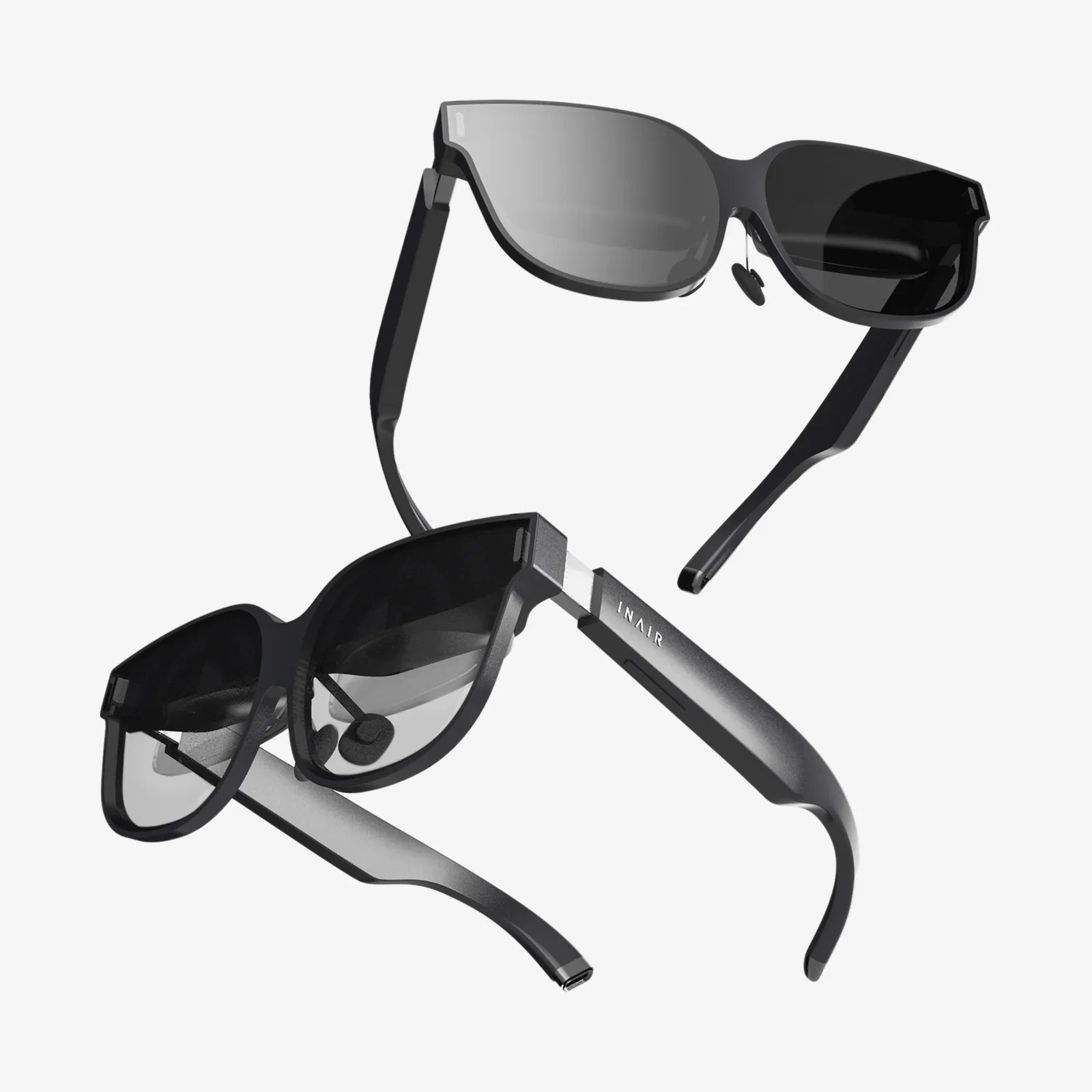
You've seen the future, and it's virtual. The promise of stepping into another world, whether to game, create, socialize, or explore, is more tangible and affordable than ever. But with a rapidly evolving market filled with jargon and competing technologies, the question isn't just if you should take the plunge, but which VR headset to buy that won't leave you with regret or a hefty paperweight. This definitive guide cuts through the noise, offering a roadmap to the perfect headset for your unique digital destiny.
Before You Dive In: Asking the Right Questions
The journey to your ideal VR headset begins not with a list of products, but with a moment of self-reflection. Your needs, preferences, and existing tech will dramatically narrow the field.
What Is Your Primary Use Case?
Are you a hardcore gamer seeking the most immersive, high-octane experiences? A fitness enthusiast looking for a fun way to break a sweat? A creative professional exploring new mediums for design and art? Or perhaps someone who wants to enjoy immersive media and connect with friends in virtual spaces? Your primary goal is the single most important factor in your decision.
What Is Your Budget?
Virtual reality spans a wide financial spectrum. Are you looking for an accessible entry point, a mid-range workhorse, or a no-expense-spared premium experience? Remember to factor in potential hidden costs like additional accessories, software purchases, and subscription services.
What Technology Do You Already Own?
Do you possess a powerful gaming computer with a capable graphics card? Or are you loyal to a specific ecosystem of gaming consoles? Your existing hardware can either unlock a world of high-fidelity possibilities or serve as the foundation for a simpler, more self-contained experience.
Decoding the Specs: What Really Matters
Technical specifications can be overwhelming. Here’s what you need to understand to make an informed choice.
Display Resolution and Lens Clarity
Resolution is measured in pixels per eye. Higher numbers generally mean a sharper, clearer picture with less visible "screen door effect" (the fine grid-like lines between pixels). However, lens quality is equally crucial. Modern pancake lenses offer a sharper image across the entire field of view compared to older Fresnel lenses, which can have blurry edges.
Field of View (FoV)
This is the extent of the virtual world you can see at any given moment, measured diagonally in degrees. A wider FoV (110 degrees or more) feels more immersive and natural, like looking through a diving mask rather than a narrow tunnel.
Refresh Rate
Measured in Hertz (Hz), the refresh rate determines how smoothly motion appears. A higher rate (90Hz and above) is critical for comfort and immersion, reducing the risk of motion sickness and making fast-paced action feel fluid and real.
Tracking Systems: Inside-Out vs. Outside-In
How does the headset know where it and your controllers are in space?
- Inside-Out Tracking: Cameras on the headset itself scan your environment to track movement. This is the modern standard, offering easier setup and portability without the need for external sensors placed around your room.
- Outside-In Tracking: External sensors or base stations placed in the room track the headset and controllers. This older method can offer ultra-precise, millimetre-accurate tracking, ideal for competitive gaming, but requires a more complex, stationary setup.
Audio Solutions
Audio is half the immersion. Some headsets have high-quality built-in speakers that hover near your ears, providing spatial 3D audio without isolating you from your real environment. Others may require you to use your own headphones, which can offer superior sound quality but add another cable and step to your setup.
The Great Divide: Tethered vs. Standalone Headsets
This is the fundamental fork in the road for most buyers.
The Power of Tethered (PCVR/Console VR)
These headsets connect via a cable to a powerful external computer or console. They are essentially high-resolution displays that leverage the immense processing power of another device.
Pros:
- Unmatched graphical fidelity and processing power for the most visually stunning and complex experiences.
- Access to vast libraries of demanding PC games and applications.
- Often features the highest-end specifications (resolution, FoV, refresh rate).
Cons:
- High upfront cost, requiring both the headset and a powerful (and expensive) gaming PC or specific console.
- The tether cable can be a nuisance, limiting freedom of movement and posing a tripping hazard.
- Setup is more complex and the experience is confined to the room with the computer.
Ideal For: Enthusiast gamers, simulation fans (flight, racing), and professionals who need the highest possible performance for VR development or design.
The Freedom of Standalone
These are all-in-one devices with a mobile processor, battery, and everything needed to run VR built directly into the headset. They are completely wireless and self-contained.
Pros:
- Complete wireless freedom and portability. Use it in any room, or even take it to a friend's house.
- Generally much more affordable and accessible, with a simpler, plug-and-play setup.
- Perfect for social apps, fitness, and media consumption where movement is key.
Cons:
- Graphical power is limited by mobile hardware, so visuals are less detailed than on a tethered headset.
- Battery life limits session length, typically to 2-3 hours of active use.
- Processing constraints can limit the complexity and scope of available software.
Ideal For: First-time users, fitness enthusiasts, families, and anyone who values convenience, simplicity, and unrestricted movement.
The Hybrid Approach: The Best of Both Worlds?
A growing category of headsets offers a hybrid approach. They are primarily standalone devices but can also connect to a gaming PC, either wirelessly or via a cable. This offers incredible flexibility, allowing you to enjoy mobile convenience for some activities and tap into PC power for others, all with one device.
Comfort and Ergonomics: The Long-Term Relationship
A headset can have the best specs in the world, but if it's uncomfortable, you won't use it. This is a deeply personal factor.
- Weight Distribution: Is the weight front-heavy? A good counter-balancing strap system is crucial for long sessions.
- Head Strap Design: Elastic straps are common but often less secure and comfortable. Rigid, customizable halo straps or elite straps with a rear battery counterweight are generally superior for comfort and stability during active use.
- Facial Interface: The material that touches your face should be soft, breathable, and easy to clean. Foam can absorb sweat, so look for options with replaceable, hygienic covers, especially for fitness.
- IPD Adjustment: The Interpupillary Distance (the space between your eyes) adjustment is critical for visual clarity and comfort. Physical, mechanical adjustment sliders are far superior to software-based solutions.
The Content Library: Your Virtual Playground
The hardware is nothing without the software. The ecosystem a headset belongs to dictates the experiences you can access. Some platforms are walled gardens, while others are more open. Research the exclusive titles, the strength of the app store, and the social platforms available. A headset with a weak or dying content library is a poor investment, no matter its hardware merits.
Future-Proofing and Upgradability
VR technology is advancing at a breakneck pace. While you can't future-proof completely, you can make smarter choices. Consider a headset from a company with a strong track record of supporting its devices through software updates and adding new features. Some platforms offer upgradable components, like modular faceplates or controllers, which can extend the life of your investment. Prioritizing a headset with a robust and evolving ecosystem can help stave off buyer's remorse.
Making Your Final Decision: A Practical Checklist
- Define Your "Why": Re-affirm your primary use case (gaming, fitness, social, etc.).
- Audit Your Hardware: Do you have a VR-ready PC? Which gaming console do you own?
- Set a Hard Budget: Include the headset, any mandatory accessories, and a few launch titles.
- Choose Your Camp: Tethered for power, Standalone for freedom, or Hybrid for flexibility.
- Prioritize Key Specs: For you, is it resolution, wireless capability, or refresh rate?
- Research the Ecosystem: Does it have the games and apps you actually want to use?
- Read Reviews for Comfort: Pay close attention to what reviewers say about long-term wear.
The world of VR is waiting, no longer a distant sci-fi fantasy but a vibrant, accessible reality. The perfect headset for you is out there, a gateway to worlds of adventure, connection, and creativity that defy the limits of your living room. By looking beyond the hype and aligning the technology with your own life, you're not just buying a piece of hardware—you're choosing your passport to the next dimension. Your journey begins now.
Share:
First Consumer VR Headset: The Prototype That Launched a Digital Revolution
Top Rated VR Headset: Your Ultimate Guide to Immersive Technology