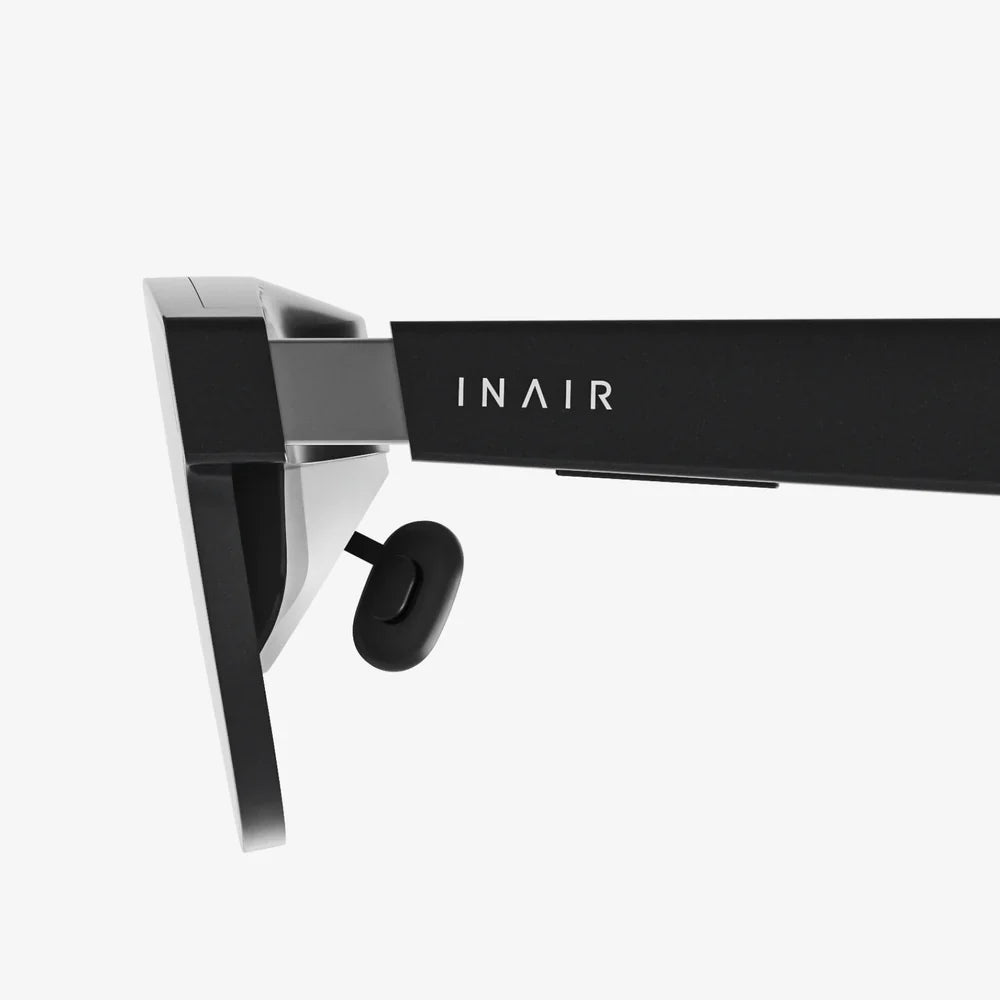
Imagine settling into your favorite chair, the lights dim, and with a simple gesture, a personal IMAX screen materializes before your eyes. The world around you fades into a stunning cinematic universe, with sound that envelops you completely. This is no longer science fiction; it's the reality offered by today's top-tier virtual reality headsets designed for multimedia consumption. The quest to find the perfect portal to these digital realms begins with a single, compelling question: who offers top VR glasses for multimedia use? The answer lies not with a single name, but in understanding the blend of technology, comfort, and content that creates a truly transcendent experience.
Defining "Top" in the Virtual Realm
Before embarking on our exploration, we must first define what makes VR glasses "top" for multimedia. It's a symphony of factors, each playing a critical role in the overall experience. It's not merely about the highest resolution; it's about the harmonious integration of multiple components.
The Crown Jewel: Display and Visual Fidelity
For multimedia, the display is paramount. Key metrics include:
-
Resolution and Pixels-Per-Degree (PPD): This is the sharpness of the image. A higher PPD means a clearer, more detailed picture, crucial for reading text in menus and appreciating the fine details in a film or game. The goal is to reach a point where the "screen door effect"—the visible grid between pixels—is completely eliminated.
-
Lens Quality: High-quality, pancake lenses provide a larger "sweet spot" of clarity, reduce glare (known as god rays), and allow for a more compact headset design. They are essential for comfort during long viewing sessions.
-
Refresh Rate: A higher refresh rate (90Hz and above) ensures smooth motion, preventing judder in fast-paced action scenes and creating a more comfortable, immersive experience that reduces the potential for simulator sickness.
-
Color Gamut and Contrast: Deep blacks, vibrant colors, and high contrast ratios are what make HDR content pop. OLED displays have traditionally excelled here, but modern LCDs with advanced local dimming are closing the gap.
The Unseen Hero: Audio Immersion
Sound is half the experience. Top contenders integrate spatial audio directly into the headset. This technology uses head-related transfer functions (HRTF) to trick your brain into perceiving sounds as coming from specific points in 3D space around you—a helicopter circling overhead, a whisper from behind, or the subtle ambiance of a forest. While some offer high-quality built-in speakers that don't isolate you from your environment, others provide pristine audio jacks for your own premium headphones.
The Foundation of Comfort
The most visually stunning headset is worthless if it's a pain to wear. Top providers invest heavily in ergonomics:
-
Weight Distribution: A front-heavy device will strain your neck. The best designs use counter-balancing batteries or harness systems to distribute weight evenly across the head.
-
Facial Interface: Plush, breathable materials like memory foam and faux leather are used to create a light-proof seal without excessive pressure on the face.
-
Adjustability: Easy-to-use dials for IPD (inter-pupillary distance) and head straps are non-negotiable for a customized, secure fit for a wide range of users.
The Ecosystem: Content is King
Hardware is nothing without software. The leading providers offer robust, curated platforms. This includes:
- Dedicated video streaming apps for services like Netflix, YouTube VR, and Disney+.
- Access to vast libraries of VR-specific games and experiences.
- The ability to play 2D PC games on a massive virtual screen.
- Social spaces to watch movies and attend events with friends in virtual reality.
The Contenders: A Spectrum of Excellence
The market for high-end multimedia VR is dominated by a few key players, each with a distinct philosophy. It's less about a single winner and more about finding the right fit for your priorities.
The All-in-One Entertainment Powerhouse
One dominant player in the space has set the standard for standalone VR. Their flagship device is a marvel of integration, offering a compelling blend of ease of use and performance.
-
Strengths: It requires no external wires or PC, making it incredibly accessible. Its content ecosystem is the largest in the industry, with an enormous walled garden of games, apps, and social experiences. The integrated spatial audio is highly praised, and recent iterations have seen significant leaps in display technology, moving to pancake lenses for better clarity and comfort.
-
Considerations: As a closed ecosystem, it lacks the flexibility of PC-powered devices. Its multimedia capabilities, while excellent for native VR content, can be more limited when trying to play content from external sources compared to its PC-connected rivals.
-
Ideal For: The user who values convenience, a massive, curated content library, and social VR experiences above all else. It's the ultimate plug-and-play entertainment device.
The PC-VR Fidelity Kings
For the ultimate in visual performance, the top-tier tethered headsets are unmatched. These devices connect to a powerful gaming computer to deliver breathtaking graphical fidelity.
-
Strengths: They boast the highest-resolution displays available to consumers, often with expansive field-of-view and incredibly high refresh rates. This makes them phenomenal not just for VR games, but for using PC software and playing flat-screen games on a giant virtual screen with stunning detail. They are the closest you can get to a perfect virtual monitor replacement.
-
Considerations: The requirement of a high-end gaming PC represents a significant additional cost and complexity. Being tethered by a cable can limit movement, though wireless adapters exist for some models. The setup is more involved than a standalone device.
-
Ideal For: The enthusiast and gamer who already owns a powerful PC and demands the absolute best visual quality for both VR and traditional desktop multimedia. It's for those who see their headset as a high-fidelity display first.
The High-End Hybrid Challenger
A newer category seeks to bridge the gap between standalone convenience and PC-powered performance. One prominent example offers a sleek, professional-grade design with a unique feature: the ability to be used both as a standalone device and as a high-resolution display for your computer or gaming console.
-
Strengths: Incredibly high-resolution displays and excellent pancake lenses make for an exceptionally sharp image, arguably the best for watching movies. Its ability to function as a portable, giant screen for laptops, game consoles, and other devices is its killer multimedia feature, offering unparalleled flexibility.
-
Considerations: Its standalone software library is still young and much smaller than the established market leader. Its price point positions it as a premium product.
-
Ideal For: The multimedia purist and tech early adopter who prioritizes screen quality above all else and wants maximum flexibility to interface with multiple devices beyond just a gaming PC.
Beyond the Hardware: The True Multimedia Experience
Owning the headset is just the beginning. The software and environments you use define the daily experience.
Virtual Cinemas and Environments
The best platforms allow you to choose your viewing environment. You're not just looking at a screen; you're in a location. You can watch a blockbuster in a realistic virtual cinema, complete with other (optional) audience avatars, under the stars in a serene mountain landscape, or even on the bridge of a starship. This contextual immersion adds a layer of magic that a traditional television simply cannot replicate.
Social Viewing: The Future of Watch Parties
This is where VR multimedia truly shines. Applications exist that allow you to meet friends in a virtual home theater, represented by your avatars. You can chat, react, and experience a film or sporting event together as if you were in the same room, regardless of being continents apart. It transforms passive viewing into an active, shared social event.
Making Your Choice: A Buyer's Compass
So, who should you choose? Let your habits and setup guide you.
-
For the Casual User & Social Butterfly: The extensive ecosystem and effortless setup of the leading all-in-one platform are likely your best bet. It offers the path of least resistance to a huge amount of content.
-
For the PC Enthusiast & Graphics Purist: If you have the hardware and crave the sharpest image for both VR and desktop use, the high-end tethered headsets remain the uncontested champions of raw fidelity.
-
For the Multimedia Nomad & Quality Seeker: If your primary goal is to have a breathtaking private screen for movies, console games, and your laptop, and you value flexibility, the newer hybrid models present a fascinating and compelling argument.
The landscape of virtual reality is evolving at a breakneck pace. The providers offering the top VR glasses for multimedia use are in a fierce race, not just to improve resolution and comfort, but to define how we will consume media in the next decade. They are building the theaters, the social clubs, and the personal cinemas of the future. The perfect headset is the one that disappears—not from your face, but from your perception, allowing you to forget the technology and become utterly lost in the experience. That feeling of presence, of truly being inside the story, is the ultimate promise of VR, and it's a promise that is now being delivered in spectacular fashion by the leaders in this dynamic and thrilling field.