


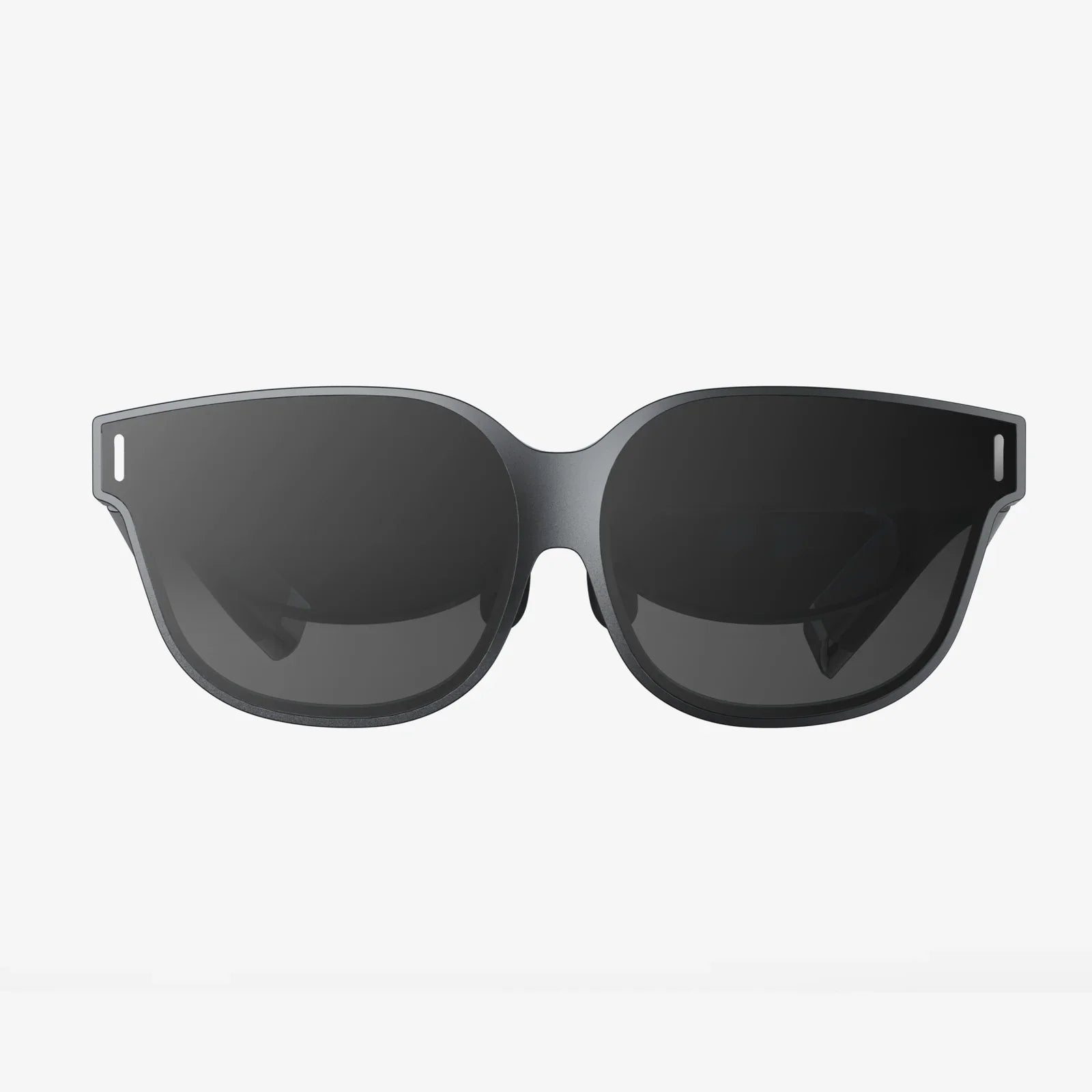
Imagine slipping a compact, powerful portal to infinite worlds into your pocket, ready to transform your reality at a moment's notice. This isn't a glimpse into a distant sci-fi future; it's the tangible, accessible power of pairing a virtual reality headset with the technological marvel you already own—your Android smartphone. While dedicated VR systems have their place, the unique synergy between Android's open ecosystem and modern VR hardware creates an unparalleled entry point into immersive computing. The question isn't just about having a headset; it's about unlocking the vast potential that rests within your own device, turning it into a window to new dimensions of entertainment, learning, and connection. This is the compelling case for why an Android VR headset is more than a gadget—it's a revolution in accessibility and possibility.
The Democratization of Virtual Reality
For years, high-end virtual reality was the domain of elite gamers and tech enthusiasts with powerful desktop computers and deep pockets. The barrier to entry was significant, involving expensive hardware, complex setup procedures, and dedicated physical space. The advent of quality VR headsets designed for Android devices fundamentally shattered this paradigm. It ushered in an era of democratized VR, making immersive experiences available to a global audience without requiring a four-figure investment.
An Android-based VR headset leverages the sophisticated technology already embedded in modern smartphones—high-resolution displays, precise motion sensors, powerful processors, and robust graphics capabilities. This approach eliminates the need for redundant, expensive internal components, drastically reducing the cost of the headset itself. For millions of users, their ticket to virtual worlds is not a separate console or PC but an accessory that unlocks the latent potential of their existing device. This accessibility is the single most powerful argument for the Android VR ecosystem. It allows students, families, and curious explorers to experience the magic of VR without a prohibitive financial commitment, fostering a more inclusive and diverse virtual community.
Unleashing the Power of the Mobile Ecosystem
Android's dominance in the global mobile market is not an accident; it's a testament to its flexibility, openness, and incredible diversity. This ecosystem is a fertile ground for VR innovation. Unlike walled-garden approaches, the open nature of Android encourages a vast developer community to create and experiment. This results in an ever-expanding library of VR content available through digital storefronts, ranging from games and interactive stories to educational apps and productivity tools.
The hardware diversity within the Android sphere is another critical advantage. Users are not limited to a single device from a single manufacturer. Whether one prefers a flagship model with a cutting-edge OLED display or a more budget-friendly option with capable specs, there is likely a compatible VR headset available. This flexibility empowers the consumer to choose a phone that fits their needs and budget, knowing it can double as their VR engine. Furthermore, the constant cycle of smartphone innovation directly benefits the VR experience. Every annual leap in processing power, display technology (like higher refresh rates), and battery efficiency translates into a better, more immersive, and longer-lasting virtual reality session without requiring a new headset purchase.
A Universe of Content at Your Fingertips
The value of any platform is ultimately determined by its content, and the Android VR landscape is incredibly rich and varied. The content available spans numerous categories, ensuring there is something for everyone.
Gaming and Interactive Entertainment
Mobile VR gaming has evolved far beyond simple tech demos. Today, it offers deep, engaging experiences that can transport players to other realms. From heart-pounding horror titles and intricate puzzle games to rhythm-based experiences that get your whole body moving, the quality and depth are staggering. The convenience factor is immense; a full VR gaming session can be initiated anywhere, from a waiting room to a hotel room, simply by inserting a phone into a headset.
Educational and Training Applications
Perhaps the most transformative use of Android VR is in education and professional training. Imagine a medical student exploring a detailed, interactive 3D model of the human heart, peeling back layers and understanding anatomy in a way textbooks could never provide. Envision a history class taking a virtual field trip to ancient Rome, walking through the Forum and gazing up at the Colosseum. These are not fantasies but real applications available today. For training, VR offers a safe, cost-effective environment to practice complex procedures, from mechanical repairs to public speaking, all facilitated by the portable nature of an Android setup.
Social Connection and Virtual Tourism
In an increasingly globalized yet physically distant world, VR provides a powerful medium for connection. Social VR platforms allow users to meet, interact, play games, and watch movies with friends and family in a shared virtual space, fostering a sense of presence that video calls cannot match. Additionally, virtual tourism apps allow anyone to visit the world's most famous landmarks, museums, and natural wonders. For those with physical or financial constraints, this ability to explore the globe from their living room is nothing short of magical.
Media Consumption and Cinematic Experiences
An Android VR headset is arguably the most personal cinema imaginable. With apps designed for immersive video playback, users can watch traditional 2D movies on a giant virtual screen or experience true 360-degree videos and films that place them directly in the center of the action. Whether it's a front-row seat at a concert, a ringside view at a sporting event, or a narrative film where the viewer controls the perspective, the medium redefines what it means to be an audience member.
The Technical Symbiosis: How It Works
The magic of an Android VR headset lies in its elegant simplicity. The headset itself primarily consists of three key components: a high-quality housing, a set of lenses, and an input system (often a remote control or built-in buttons). The housing securely holds the smartphone in the optimal position, while the lenses—usually crafted from specialized plastic or glass—refocus the screen's image for each eye, creating the stereoscopic 3D effect that is the foundation of VR immersion.
The smartphone's internal Inertial Measurement Unit (IMU), which includes gyroscopes and accelerometers, tracks the user's head movements with remarkable speed and precision. As you turn your head, the sensors relay this data to the VR application, which instantly renders the corresponding new viewpoint. This low-latency tracking is critical for maintaining immersion and preventing the motion sickness that plagued earlier generations of mobile VR. The phone's touchscreen, combined with the headset's input mechanism or a Bluetooth controller, allows for intuitive interaction within the virtual environment. This seamless technical partnership means the power and performance of the VR experience are directly tied to the phone's capabilities, incentivizing continuous improvement in mobile technology.
Considerations and The Path Forward
While the advantages are numerous, it's important to approach Android VR with realistic expectations. The experience is dependent on the phone's capabilities; an older or less powerful device may struggle with more demanding applications, leading to lower frame rates or graphical fidelity. Thermal management is also a factor, as extended VR sessions can cause a phone to heat up, potentially triggering performance throttling. Users must also be mindful of battery consumption, as the combined load of the screen, sensors, and processor is significant.
However, the trajectory is overwhelmingly positive. The lines are already blurring with the rise of standalone headsets that offer a more integrated experience. Yet, the Android phone-based model remains a vital and incredibly relevant segment of the market. It serves as the perfect on-ramp for new users, a portable solution for those on the go, and a testament to the philosophy of maximizing the utility of our existing technology. As 5G connectivity reduces latency for cloud-based VR streaming and as smartphones continue their relentless advance, the potential of the Android VR headset will only grow, becoming sharper, smoother, and even more immersive.
The true power of this technology lies not in the headset itself, but in the freedom it represents. It’s the freedom to explore, learn, and connect without limits, using a device that is already a central part of our lives. It turns every compatible Android phone into a key, waiting to unlock doors to unimaginable experiences, proving that the next great adventure might be hiding in plain sight, right in your pocket.
Share:
Best VR for iPhone 15 Pro Max: The Ultimate Immersive Companion
Best Buy VR Headset for PC: The Ultimate 2024 Buyer's Guide