


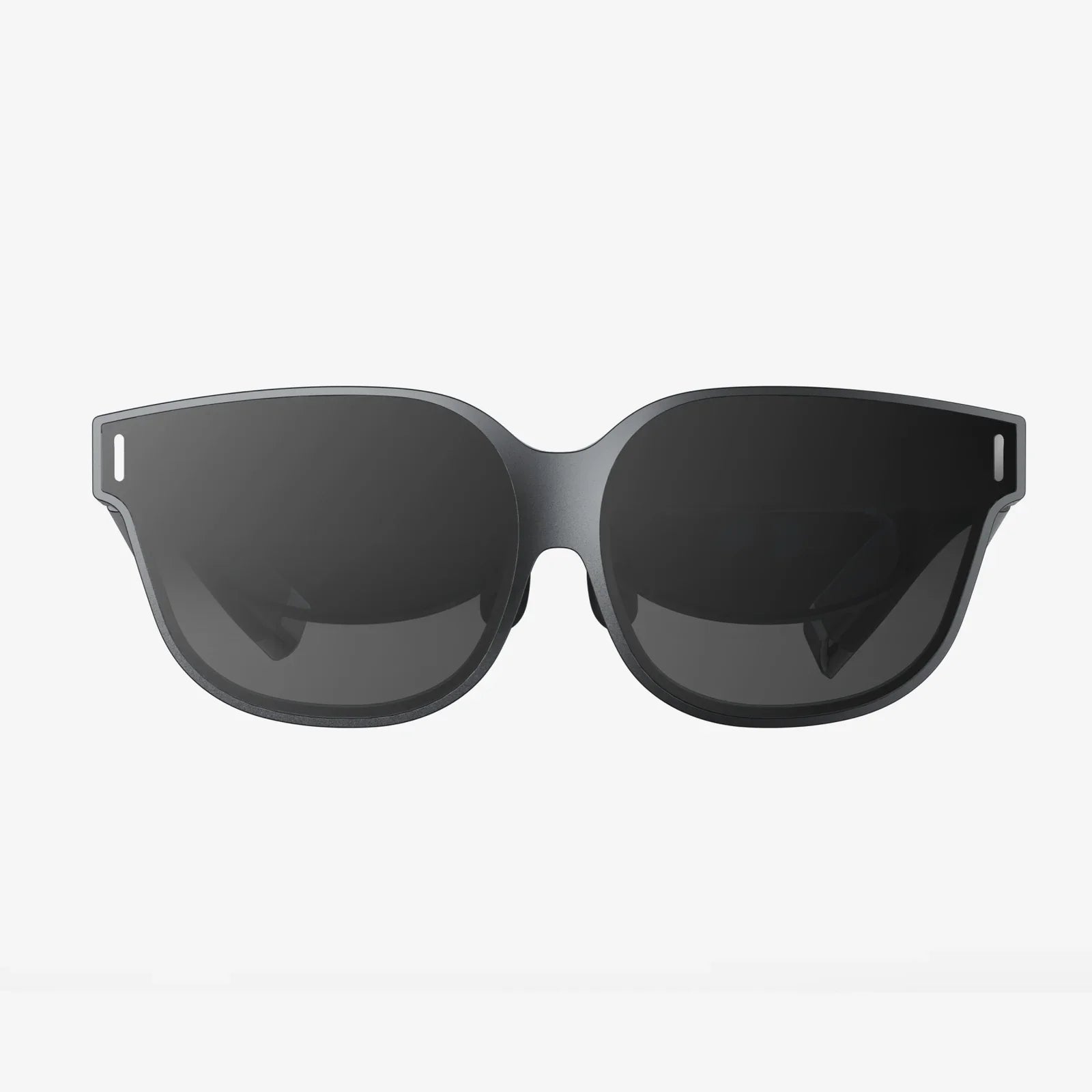
Imagine a world where instructions float seamlessly before your eyes as you repair a complex engine, where a surgeon can see a patient’s vital signs superimposed directly on their body during an operation, or where you can visualize a new sofa in your living room, perfectly scaled and colored, before you ever click ‘buy.’ This is not a distant science fiction fantasy; it is the tangible, present-day reality being built by Augmented Reality (AR). This technology, which layers computer-generated enhancements atop our existing world, is rapidly shedding its image as a mere gaming novelty and emerging as one of the most profoundly useful tools of the 21st century. Its utility lies not in replacing our reality, but in enriching it, providing a digital lens that makes us smarter, more efficient, and more connected to the information that matters.
The Core Mechanism: A Bridge Between Digital and Physical
At its essence, AR’s usefulness stems from its unique ability to act as a bridge. For decades, the digital and physical realms have existed in parallel—we would look at a physical object, then look away at a screen for information, forcing our brains to context-switch and synthesize the data ourselves. AR shatters this divide. By using devices like smartphones, tablets, or smart glasses, AR software recognizes objects, surfaces, and locations through cameras and sensors. It then anchors relevant digital information—text, 3D models, animations, data points—precisely within the user’s field of view. This creates an intuitive and immediate connection between a task and the instructions or data needed to complete it. This seamless integration eliminates guesswork, reduces human error, and dramatically accelerates processes that once relied on bulky manuals, clunky interfaces, or extensive training.
Revolutionizing Industry and the Workforce
Perhaps the most significant impact of AR is being felt on factory floors, in warehouses, and at remote worksites. Here, utility is measured in time, money, and safety, and AR delivers on all fronts.
Assembly, Maintenance, and Repair
Complex machinery, whether an aircraft engine or a industrial printer, requires intricate knowledge for assembly and repair. AR transforms this process. A technician wearing AR glasses can look at a piece of equipment and see digital arrows and annotations pointing to specific components, step-by-step holographic instructions overlaid onto the physical parts, and torque specifications displayed next to each bolt. This hands-free, guided experience allows even less-experienced workers to perform complex tasks with the expertise of a veteran, reducing training time and minimizing costly errors. Remote experts can see what an on-site worker sees and draw virtual annotations into their environment, providing guidance from thousands of miles away, which is invaluable for solving problems in remote locations or reducing travel costs.
Design and Prototyping
Before a single physical prototype is built, engineers and designers can use AR to project life-size 3D models of their creations into a real-world space. They can walk around a full-scale model of a new car engine, inspect the fit of components in a new building’s architecture, or test the ergonomics of a new product design. This ability to visualize and interact with digital prototypes in a physical context identifies design flaws and opportunities for improvement early in the process, saving enormous amounts of time and resources in research and development.
Logistics and Warehousing
In massive distribution centers, finding and picking items is a time-consuming task. AR can display the most efficient route for a warehouse worker, guiding them with digital pathways on the floor. When they arrive at the correct shelf, the system can highlight the exact bin and item needed with digital markers, confirm the item with a visual check, and display the quantity to be picked. This streamlines operations, drastically reduces picking errors, and boosts overall efficiency in the critical field of logistics.
Transforming Healthcare and Saving Lives
In medicine, where precision is paramount, AR is moving from experimental to essential, offering utility that can directly improve patient outcomes.
Enhanced Surgical Precision
Surgeons are using AR to gain X-ray vision. By overlaying CT or MRI scans—such as the precise location of a tumor or the path of a critical blood vessel—directly onto the patient’s body during surgery, surgeons can operate with enhanced precision. This visualization helps them navigate complex anatomy, minimize incision sizes, and avoid damaging healthy tissue, leading to safer, less invasive procedures and faster patient recovery times.
Medical Training and Education
Medical students no longer need to rely solely on cadavers and textbooks. AR applications can project detailed, interactive 3D models of the human anatomy that students can explore from every angle, peeling back layers of muscle, organs, and circulatory systems. This provides an unparalleled, deep understanding of human anatomy that is both immersive and accessible. Furthermore, AR can simulate complex medical scenarios for training, allowing students to practice procedures in a risk-free environment.
Patient Care and Rehabilitation
AR is also improving patient education and therapy. A doctor can use AR to show a patient a 3D model of their own condition, helping them understand their diagnosis and treatment plan more clearly. In physical rehabilitation, AR games can make repetitive exercises more engaging, motivating patients to complete their therapy by turning movements into interactive challenges with visual feedback and goals.
Redefining the Retail and Shopping Experience
The retail sector has been quick to adopt AR as a powerful tool to bridge the gap between online and in-store shopping, solving one of e-commerce's biggest limitations: the inability to try before you buy.
Virtual Try-On and Preview
Shoppers can now use their smartphones to see how a pair of glasses looks on their face, how a shade of lipstick matches their skin tone, or how a new watch fits their wrist. For home goods, the ability to project a virtual couch, lamp, or television into your actual living room to check for size, style, and fit has revolutionized furniture shopping. This utility reduces purchase uncertainty, leads to higher customer satisfaction, and significantly decreases return rates for retailers.
In-Store Navigation and Information
Inside large retail stores, AR apps can act as personal shoppers. By pointing their phone at store shelves, customers can see product information, reviews, and comparisons overlaid on the products. They can also receive AR-powered navigation that guides them to the exact aisle and shelf where their desired item is located, enhancing the convenience of the physical shopping experience.
Empowering Education and Learning
AR brings textbooks to life, turning passive learning into an active, immersive discovery process. A student studying astronomy can point their tablet at the sky and see the names and constellations outlined above them. A history class can point their devices at a textbook image of a ancient Roman ruin and see a complete, animated 3D reconstruction of the building spring up from the page. Chemistry students can manipulate and combine virtual atoms to see the reactions in real-time. This interactive, visual form of learning caters to different learning styles, boosts engagement, and improves knowledge retention by creating memorable experiences.
Enhancing Everyday Life and Navigation
The utility of AR is already embedded in daily routines for millions. Navigation apps use AR to overlay directional arrows onto a live view of the street, making it intuitive to know exactly which turn to take without deciphering abstract maps. Translation apps can instantly translate text from a foreign menu or sign through the smartphone camera, breaking down language barriers in real-time. These applications, while seemingly simple, solve everyday problems with an elegance and efficiency that feels like magic, demonstrating AR's power to make everyday tasks simpler.
The Future is Augmented: Challenges and Opportunities
Despite its immense potential, the widespread adoption of AR faces hurdles. Concerns about privacy, data security, and the social implications of constantly recording our environments need to be addressed. The technology behind AR hardware, particularly for comfortable, all-day smart glasses, needs further refinement in terms of battery life, field of view, and processing power. Furthermore, creating a robust and standardized ecosystem for AR content development is crucial for its growth.
However, the trajectory is clear. As the technology matures and becomes more integrated with Artificial Intelligence and the Internet of Things, its usefulness will only expand. We are moving towards a world where contextual information is available on-demand, overlaying our reality to make us more informed, capable, and efficient in everything we do.
The true power of augmented reality is not in the complexity of its code, but in the simplicity of its promise: to make the invisible visible and the complex comprehensible. It is a tool that amplifies human intelligence, allowing us to interact with our world in ways previously confined to our imagination. From the operating room to the classroom, the factory floor to your living room, AR is quietly weaving a layer of digital wisdom into the fabric of our physical existence, proving that its greatest value lies not in escape, but in enhancement. The next time you ask about its purpose, look around—the answer is already beginning to appear, right before your eyes.
Share:
Positive Effects of Augmented Reality: Reshaping Our World Through an Enhanced Lens
Augmented Reality News Past 48 Hours: A Wave of Major Announcements Reshapes the Industry