


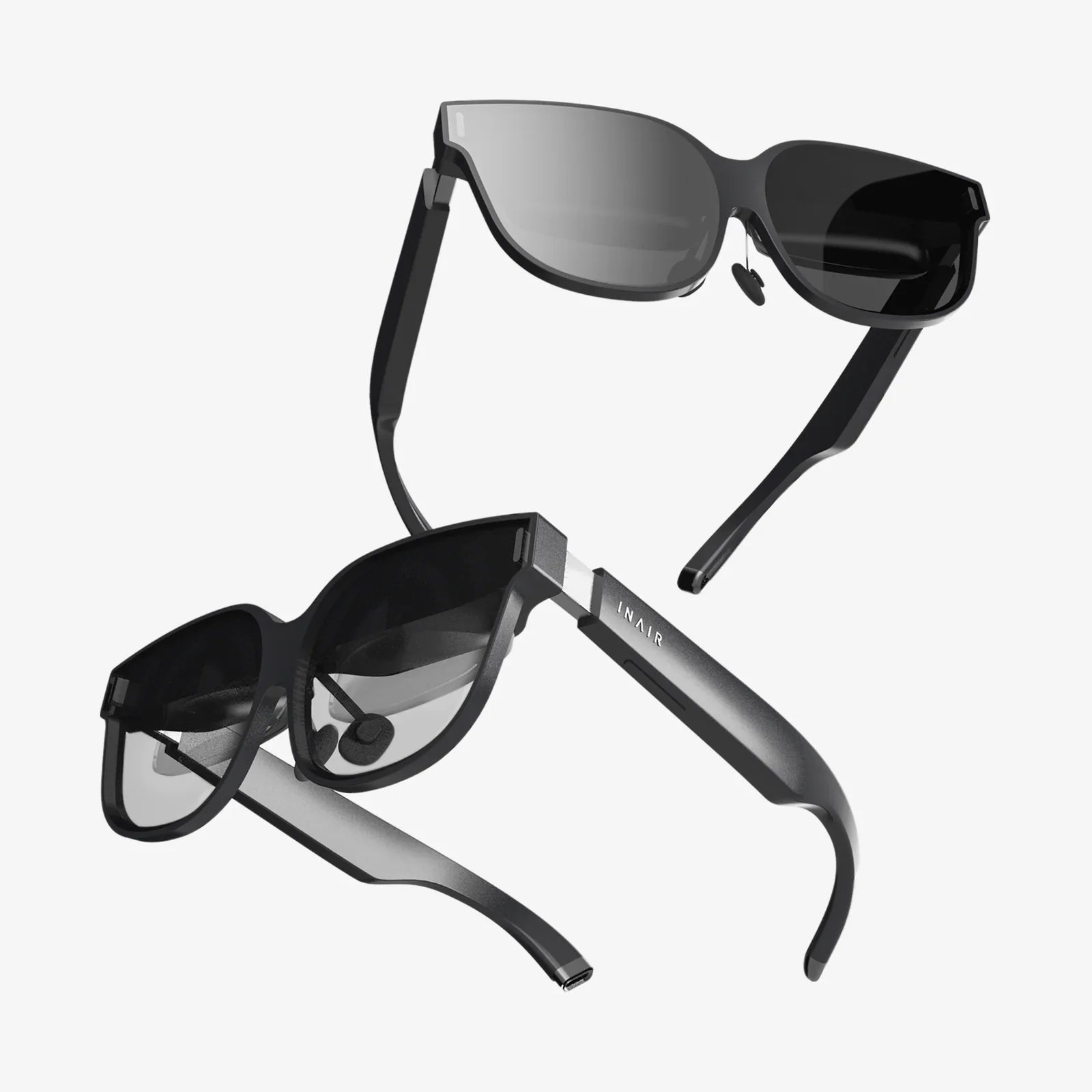
Imagine a world where your watch warns you of an irregular heartbeat before you feel a thing, where your glasses translate foreign street signs in real-time, and your morning jog generates data that helps your doctor tailor a perfect health plan just for you. This isn't a glimpse into a distant future; it’s the reality being built today, piece by piece, sensor by sensor, by the relentless march of wearable technology. The question is no longer if these devices are useful, but rather, why have they become so indispensable so quickly, weaving themselves into the very fabric of our daily existence and promising to redefine what it means to be human in a digital age?
The Quantified Self: Data as a Pathway to Empowerment
At its heart, the most compelling answer to 'why wearable technology' lies in a fundamental human desire: the quest for self-knowledge. For centuries, we've relied on subjective feelings and infrequent medical checkups to understand our health. Wearables have shattered this paradigm, offering a continuous, objective stream of data about our bodies. This movement, often called the "Quantified Self," transforms vague notions of "feeling a bit off" into precise metrics.
Fitness trackers monitor our steps, heart rate, and sleep patterns, providing immediate feedback on our activity levels. This constant awareness creates a powerful feedback loop. Seeing a sedentary day quantified can be the nudge needed to take an evening walk. Observing how late-night screen time correlates with poor sleep quality can inspire genuine behavioral change. This data-driven approach moves wellness from a realm of guesswork and generic advice into one of personalized, actionable insight. It empowers individuals to take an active, informed role in their own well-being, making health a daily practice rather than an annual conversation.
A Revolution in Personalized Healthcare
Beyond personal fitness, wearable technology is poised to trigger the most significant shift in healthcare since the invention of the microscope. The traditional model of reactive medicine—treating illness after it occurs—is slowly giving way to a proactive and predictive model, thanks largely to data from wearables.
Continuous glucose monitors (CGMs) for individuals with diabetes provide real-time blood sugar readings, eliminating the need for painful finger-prick tests and allowing for vastly better management of the condition. Smart patches can remotely monitor a patient's vital signs after surgery, enabling earlier discharge from hospitals and continuous care from home. Electrocardiogram (ECG) apps on smartwatches can detect atrial fibrillation, a leading cause of stroke, often before a person experiences any symptoms. This allows for early intervention and potentially saves lives.
This flood of real-world data, collected outside a clinical setting, provides doctors with a richer, more complete picture of a patient's health than a snapshot taken during a brief office visit. It enables truly personalized medicine, where treatments and recommendations can be tailored to an individual's unique physiology and daily life patterns.
Seamless Integration and the Erosion of Friction
Another fundamental 'why' is the seamless convenience these devices offer. Unlike a smartphone, which must be retrieved from a pocket or bag, wearables are always on and always accessible. This proximity to the body drastically reduces the friction of interaction.
A flick of the wrist lets you see an important notification, check the weather, or control your music without disrupting your flow. Smart rings and glasses aim to make this interaction even more subtle, moving towards a future of ambient computing where technology recedes into the background of our lives, providing information and functionality only when we need it, without demanding our constant attention. This hands-free, glanceable access to information is not just a convenience; it's a paradigm shift in how we mediate our relationship with the digital world, making it less intrusive and more intuitive.
Enhanced Safety and Security: An Invisible Guardian
Wearable technology has also emerged as a powerful tool for personal safety. For the elderly or those living with certain medical conditions, a wearable device with fall detection can automatically alert emergency services and designated contacts if a hard fall is detected, providing critical peace of mind for both the wearer and their family. Similarly, features that allow users to trigger an emergency SOS call with a simple button press or gesture can be invaluable in threatening situations.
Beyond personal health crises, devices are increasingly incorporating environmental sensors. Some can detect loud noises indicative of a car accident or break glass, potentially triggering an automatic call for help. Others can monitor exposure to harmful elements like UV radiation or poor air quality, alerting users to environmental hazards they might otherwise be unaware of. In this capacity, the wearable acts as an invisible guardian, constantly monitoring the environment and the user's well-being to provide protection when it's needed most.
The Social and Connected Self
Human beings are inherently social, and wearable technology has tapped into this core need by adding a layer of connectivity to our physical activities. The ability to share activity milestones, compete with friends on step challenges, or simply see that a loved one has already logged a workout fosters a sense of community and shared purpose. This social reinforcement is a powerful motivator, turning the solitary act of exercise into a connected experience. It provides encouragement, accountability, and a touch of friendly competition, which for many users is a key factor in maintaining a consistent fitness routine.
Navigating the Challenges: The Road Ahead
Of course, the rise of wearable technology is not without its significant challenges. The immense amount of personal, biometric data these devices collect raises profound questions about privacy and security. Who owns this data? How is it being used by the companies that collect it? Could it be used by insurers to adjust premiums or by employers to make hiring decisions? Establishing robust legal and ethical frameworks to govern data ownership, consent, and protection is paramount for the sustainable future of this industry.
Furthermore, issues of data accuracy, battery life, and digital equity must be addressed. Not all data collected by consumer-grade devices is clinically accurate, and users must be educated on the limitations of their devices. The constant need to recharge can be a nuisance, breaking the continuous monitoring that makes them valuable. Finally, ensuring that the benefits of these advanced health and connectivity tools are accessible to all, not just the affluent, is a critical societal challenge.
Beyond the Wrist: The Future on Your Skin and in Your Ears
The future of wearables extends far beyond the wrist. We are already seeing innovation in smart clothing with sensors woven directly into fabrics, providing even more precise biomechanical data. Smart rings offer discreet sleep and activity tracking. The next frontier is likely epidermal electronics—ultra-thin, stick-on sensors that monitor health metrics almost invisibly. Advanced hearables (smart earphones) are evolving into powerful health and auditory processing hubs, capable of monitoring core body temperature, improving hearing, and translating languages in real-time.
The ultimate goal is a ecosystem of interconnected devices that work harmoniously to provide a holistic view of your health and seamlessly manage your digital life, all while requiring less conscious interaction. The line between the biological body and the technological augment will continue to blur, leading to a new era of human capability.
The true power of wearable technology isn't found in any single feature or device; it's in the silent, continuous conversation it creates between you and your own body, between your physical actions and your digital world, and between proactive well-being and reactive medicine. It’s the promise of not just living longer, but living better, with more awareness, more safety, and more control over your own story. This is the undeniable answer to why wearable technology is not just a trend, but the foundational layer for a smarter, healthier, and more connected human experience, and the next click you make might just lead you to the device that starts rewriting your own future.
Share:
Digital Product Innovativeness: The Engine of Modern Market Disruption and Growth
What Is AR Analysis? Unlocking the Power of Augmented Reality Data