


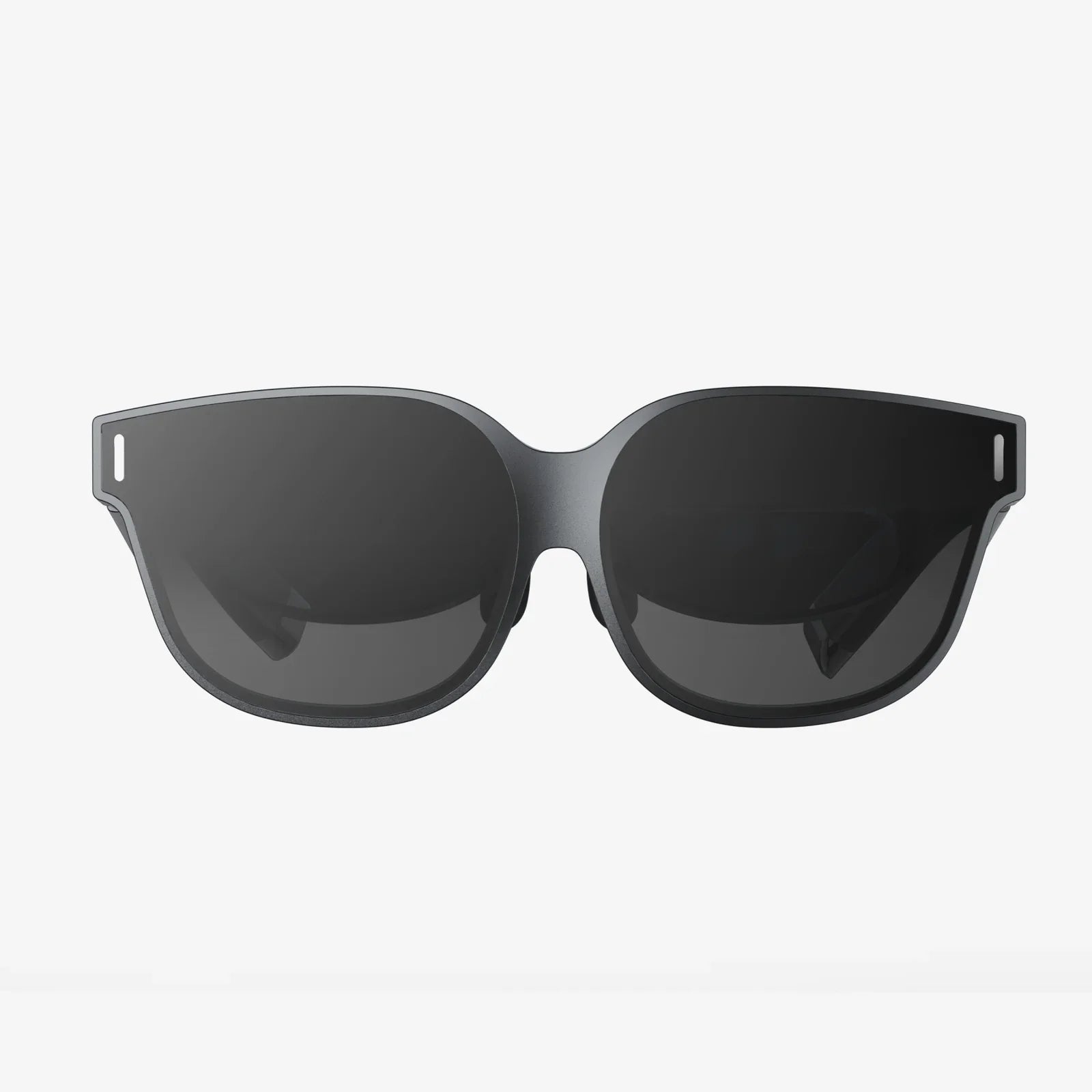
The sleek device on your wrist is no longer just a timepiece; it’s a window into your health, a portal to your social world, and a remote control for your life. This is the quiet revolution of wearable technology, a field rapidly transitioning from niche novelty to mainstream necessity. It represents a fundamental shift in how we interact with the digital realm, moving computing from our pockets and desks onto our bodies, integrating it seamlessly into the fabric of our daily existence. The future is not one of carrying technology; it is one of wearing it, of embodying it. This is not merely an evolution of gadgets; it is a transformation of the human experience itself, promising a world where technology fades into the background, empowering us from the periphery of our awareness.
The Seamless Integration of the Digital and Physical Self
The most profound aspect of wearable technology's ascent is its move towards true seamlessness. For decades, human-computer interaction was defined by deliberate acts: sitting at a desk, looking at a screen, and typing on a keyboard. Then came the smartphone, which made computing portable but no less intrusive. We are still constantly pulling a slab of glass and metal from our pockets, heads bowed in concentration. Wearables break this paradigm. They operate on the principle of ambient computing.
Imagine a world where information comes to you without you having to go and get it. A discreet vibration on your wrist alerts you to a crucial message; a quick glance confirms it. Your heart rate, sleep patterns, and activity levels are monitored continuously in the background, without a single button press. This is the power of wearables: they provide contextual awareness and glanceable interfaces that respect your focus on the real world. The goal is to make technology an intuitive extension of our senses and capabilities, not a distraction from them. This seamless integration is the first critical step towards a future where technology enhances our lives without dominating them.
Revolutionizing Personalized and Predictive Healthcare
Perhaps the most impactful and undeniable domain where wearables are shaping the future is healthcare. We are moving from a reactive model of medicine—treating illness after it occurs—to a proactive and predictive one, and wearables are the cornerstone of this shift. These devices provide an unprecedented, continuous stream of personalized physiological data.
- Continuous Monitoring: Unlike a annual check-up that provides a single data point in time, wearables offer a rich, longitudinal dataset. They can track resting heart rate, heart rate variability, blood oxygen levels, sleep quality, and even electrocardiogram readings. This allows for the early detection of anomalies like atrial fibrillation, potentially preventing strokes and saving lives.
- Preventative Health: By nudging users to move more, stand up, or practice mindfulness, wearables actively promote healthier behaviors. They empower individuals to take ownership of their well-being, turning abstract health goals into tangible, daily metrics.
- Remote Patient Monitoring: For patients with chronic conditions like diabetes, hypertension, or heart disease, wearables enable doctors to monitor their status remotely. This reduces hospital readmissions, allows for timely interventions, and gives patients the freedom to live their lives while staying connected to their care team.
- Mental Wellness: Advanced sensors are beginning to track indicators of stress and anxiety through metrics like skin temperature and galvanic skin response. This paves the way for devices that can suggest breathing exercises or meditation sessions when they detect rising stress levels, creating a holistic approach to health that encompasses both mind and body.
The future of healthcare is data-driven, personalized, and preventative, and it will be worn on the body.
Augmenting Human Capability and Perception
Beyond monitoring, the future of wearables lies in augmentation—enhancing our natural abilities and providing us with superhuman senses. This moves the technology from being informative to being transformative.
- Augmented Reality (AR) Glasses: While current iterations are still evolving, the ultimate goal of AR wearables is to overlay digital information onto the physical world seamlessly. This could mean seeing navigation arrows painted onto the street in front of you, viewing the name and details of a constellation just by looking up at the night sky, or having a foreign language translated in real-time as you read a menu. It’s a fusion of the digital and physical that fundamentally expands our perception of reality.
- Enhanced Sensory Input: Imagine wearables that allow you to "hear" for the deaf by translating sound into haptic feedback, or that give navigational assistance to the visually impaired through detailed spatial audio cues. These devices are moving beyond convenience to become powerful tools for accessibility and human empowerment.
- Cognitive Assistance: Future wearables may act as an externalized memory and cognitive aid. They could record conversations and provide summaries, remember names and details of people you meet, or offer real-time information and talking points during a presentation, all accessed through a discreet interface.
This path of augmentation positions wearable technology not as a mere tool, but as a partner in enhancing human potential.
The Evolution of Social Connectivity and Expression
Wearables are also redefining how we connect with each other. They are becoming a new medium for social interaction that is more immediate and intimate than a text message or a social media post.
The simple act of sharing activity rings or sending a heartbeat to a loved one through a smartwatch creates a subtle, ambient sense of connection—a digital touchpoint that says, "I'm thinking of you." These devices facilitate micro-interactions that strengthen bonds without requiring significant time or attention.
Furthermore, as form factors diversify, wearables are becoming a key platform for personal expression and identity. Smart rings, electronic textiles (e-textiles) with changing patterns, and customizable AR glasses will allow individuals to curate their digital aesthetic as seamlessly as they choose their clothing. The technology becomes not just functional, but fashionable—a true accessory that reflects personal style while providing utility. This fusion of fashion and function is critical for mass adoption, transforming devices from cold pieces of tech into beloved personal items.
Navigating the Challenges: Privacy, Security, and the Human Element
The path to this integrated future is not without significant challenges. The very nature of wearables—intimate, always-on, and collecting vast amounts of biometric and location data—creates a profound responsibility.
- Data Privacy and Ownership: The question of who owns the incredibly sensitive data generated by our bodies is paramount. Robust regulations and transparent corporate policies are needed to ensure this data is not exploited for advertising, sold to third parties, or used to discriminate in insurance or employment.
- Security: A wearable device is a potential entry point into a user's entire digital life. Protecting these devices from hacking and ensuring data is encrypted both in transit and at rest is non-negotiable. A breach of a wearable is more than a breach of a password; it's a breach of the self.
- The Human Element: There is a risk of over-reliance and anxiety. Will constant health monitoring lead to hypochondria? Will the pressure to "close your rings" create a new form of digital guilt? The technology must be designed to serve humanity, not the other way around. It should provide insights without inducing anxiety and offer assistance without creating dependency.
Addressing these ethical and practical concerns is not a side quest; it is an integral part of building a future where wearable technology is trusted and beneficial for all.
The Invisible, Indispensable Infrastructure of Tomorrow
The ultimate endgame for wearable technology is invisibility. The bulky wristbands and obvious glasses of today will give way to sleek, discreet, and even implantable form factors. Technology will be woven into the very clothes we wear, embedded in jewelry, or placed under the skin. The interface will become more natural, moving from touchscreens to voice control, gesture recognition, and ultimately, brain-computer interfaces that allow us to control devices with our thoughts.
This will cement wearables not as standalone products, but as the central hub of a larger, interconnected ecosystem—the Internet of Bodies. Your smart glasses will communicate with the sensors in your running shoes, your smart ring will adjust the temperature in your home based on your body temperature, and your hearing aid will seamlessly stream audio from any device in your environment. The wearable will be the conduit through which we experience and control our personalized digital world.
We are standing at the precipice of a new era, one where the line between biology and technology gracefully blurs. The future belongs not to the technology we use, but to the technology we live with—the silent, intelligent partners we wear that empower us to live healthier, more connected, and more capable lives. The revolution will not be televised; it will be worn.
Share:
Global Smart Wearable Market: A Deep Dive into Trends, Tech, and the Future on Your Wrist
AI-Powered App Development Platforms 2025: The No-Code Revolution Reshaping Business