


Imagine a world where your morning commute is a blink away, your office is a beach in Bali, and your doctor's appointment happens from your living room. This is the tantalizing promise—and for some, the terrifying premise—of a reality overtaken by virtual reality. The question is no longer if VR is possible, but to what extent it will infiltrate, augment, and perhaps even supplant the tangible world we inhabit. The line between the physical and the digital is blurring at an unprecedented rate, pushing us to ask with increasing urgency: are we on the cusp of a new renaissance of human experience, or are we sleepwalking into a future where the real world becomes a forgotten relic?
The Meteoric Ascent: From Science Fiction to Tangible Reality
The concept of virtual reality is not new. For decades, it lived comfortably in the realm of science fiction, a fantastical idea depicted in novels and films. However, the last ten years have witnessed a transformation from clunky, expensive prototypes to increasingly sophisticated, accessible, and powerful consumer-grade hardware. This rapid evolution is driven by advancements in processing power, display technology, optics, and motion tracking. We have moved past the initial novelty phase; the experience is no longer just about seeing a digital world but about feeling present within it.
The foundational principle of VR is immersion. By tricking the human brain's sensory systems—primarily sight and sound, but increasingly touch and even smell—these systems create a powerful psychological state known as "presence." This is the undeniable feeling of "being there," a sensation so convincing that your body reacts to virtual heights, virtual spiders, and virtual social interactions as if they were real. It is this profound emotional and physiological response that forms the bedrock of VR's potential to take over. It's not merely a screen you watch; it's an environment you inhabit.
The Frontlines of the Takeover: Where VR is Making Its Mark
The encroachment of virtual reality is not a single, monolithic event. It is a gradual, pervasive seepage into various facets of our lives. Its advance is most visible in several key domains.
The Entertainment Paradigm Shift
Entertainment is the most obvious and advanced battlefield. Gaming is no longer just about controlling a character on a screen; it's about becoming the character. This level of immersion creates emotional stakes and memories that flat-screen gaming cannot match. But the revolution extends beyond games. Imagine attending a live concert where your virtual front-row seat offers a better view than any physical ticket could buy. Or watching a film where you are not a passive observer but stand alongside the characters, able to look around and explore the scene. This represents a fundamental shift from storytelling to story-living, a complete redefinition of narrative engagement.
The Remote Work Revolution
The global shift toward remote work, accelerated by recent world events, has exposed the limitations of video conferencing. Flat, grid-based calls are often draining and lack the nuance of in-person collaboration. Virtual reality offers a compelling alternative: the digital office. Here, colleagues from across the globe can meet as lifelike avatars in a shared virtual space, gathered around a 3D model, brainstorming on a virtual whiteboard, or simply sharing coffee by a virtual water cooler. This restores the spatial awareness and casual social interactions that foster creativity and company culture, potentially making geographical location irrelevant to one's career.
Education and Training Reimagined
Perhaps one of the most powerful applications lies in education and training. Instead of reading about ancient Rome, students can walk its streets. Medical students can practice complex surgical procedures on virtual patients, making mistakes without consequences. Mechanics can learn to repair a complex engine by taking it apart virtually, piece by piece. This experiential learning is proven to enhance retention and understanding dramatically. VR democratizes access to experiences that would be too expensive, too dangerous, or simply impossible to replicate in the physical world.
The New Social Sphere
The concept of the "metaverse"—a persistent, shared virtual space—represents the ultimate ambition for VR's social takeover. It posits a future where we have a digital life parallel to our physical one. We might own virtual land, create virtual art, attend virtual classes, and build communities with people regardless of physical proximity. For those facing social isolation, mobility issues, or loneliness, this offers an unprecedented avenue for connection and belonging. It challenges our very definition of a "social gathering" and what it means to "be with" someone.
The Immovable Obstacles: Why a Full Takeover is Far From Inevitable
Despite the breathtaking potential, declaring that VR will "take over" reality is a monumental overstatement. The path is littered with significant, perhaps even insurmountable, barriers.
The Technology Hurdle
While impressive, the technology is still in its adolescence. For true mass adoption, hardware must become indistinguishable from a pair of lightweight sunglasses. Current headsets can be cumbersome, cause eye strain or motion sickness in a significant portion of users, and often require a powerful, expensive computer to run. The "friction" of putting on a headset remains a barrier to spontaneous use. Until the technology becomes as seamless and comfortable as putting on eyeglasses, it will remain a dedicated activity, not an all-day replacement for reality.
The Human Element: Isolation and the Physical Body
Humans are physical and social creatures. A full VR takeover raises profound questions about our physical well-being and our connection to the natural world. Prolonged immersion could exacerbate social isolation, creating a population that is digitally connected but physically alone. It could lead to a further disconnection from nature and the tangible environment, with potential consequences for mental and physical health. Furthermore, our bodies are not designed for a sedentary virtual existence. The neglect of physical activity and real-world sensory experiences presents a major hurdle to perpetual immersion.
The Ethical and Societal Quagmire
The ethical implications are staggering. If VR becomes the primary platform for life, who controls this digital frontier? The potential for data collection is Orwellian; every glance, gesture, and physiological reaction could be monitored and monetized. This creates risks for unprecedented manipulation through targeted advertising and propaganda within immersive environments. The digital divide could evolve into a "reality divide," where the wealthy experience a rich, full virtual life while others are confined to the deteriorating physical world. Concepts of reality itself could become fragmented, leading to societal disputes over truth and experience.
The Most Likely Future: A Symbiotic Relationship
Given these immense challenges, the most probable future is not a takeover, but a merger. Virtual reality is far more likely to become a powerful layer on top of our physical reality rather than a replacement for it. This is the concept of Augmented Reality (AR), which blends digital information with the real world, and Mixed Reality (MR), which allows for deeper interaction between the two. This spectrum of technologies, often referred to as Extended Reality (XR), will allow us to enhance our reality rather than escape it.
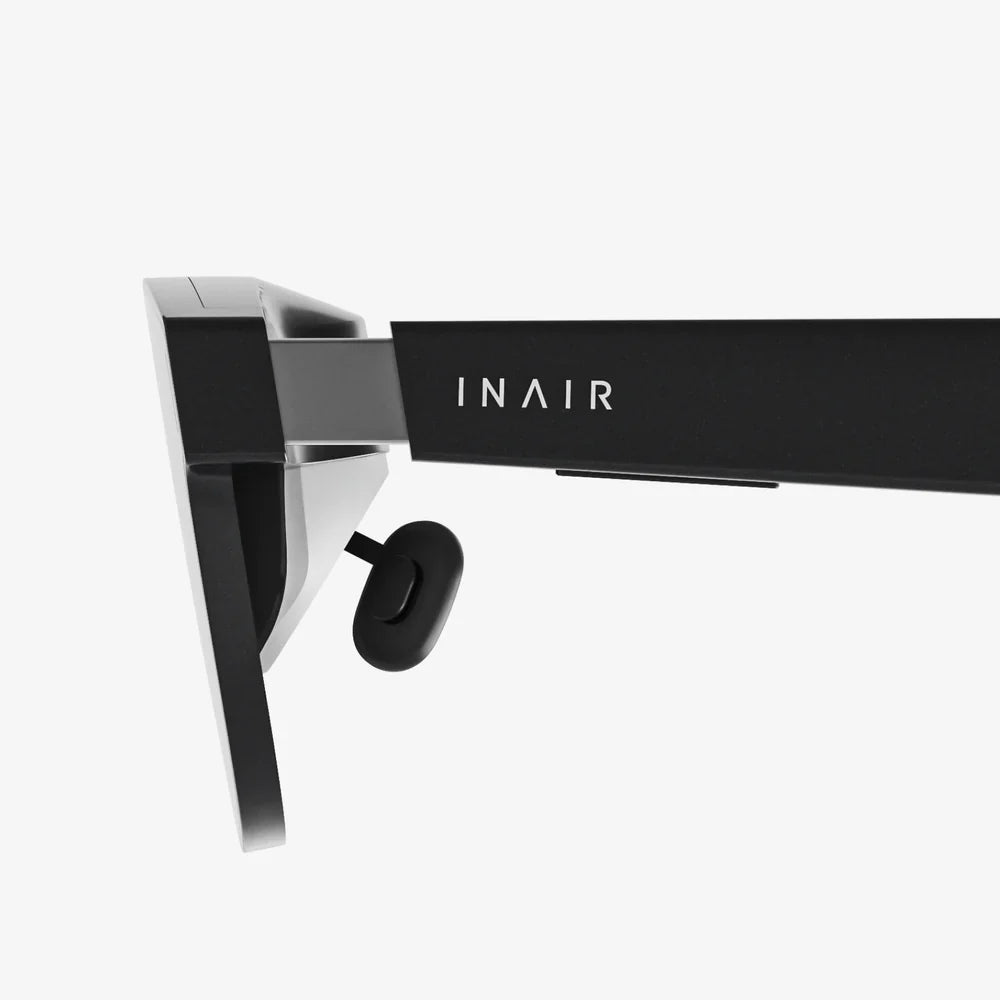
We will likely move fluidly between the physical and the digital. You might wear sleek AR glasses that overlay navigation arrows on the street, translate foreign signs in real-time, or display a colleague's avatar sitting across from you at your real desk. You might then switch to full VR for a dedicated training session or an immersive game. In this model, the technology serves to augment human capability and connection without demanding the abandonment of the physical world. The power lies in choice and seamless integration.
The trajectory of VR is not toward a dystopian replacement of all we know, but toward the creation of a new, dynamic canvas for human experience. It will transform specific industries and create new forms of art and social interaction, but the sun, the wind, the touch of a loved one, and the messy, unpredictable beauty of the physical world hold an allure that no algorithm can replicate. The future is not virtual or real. It is both.
The revolution will not be televised; it might just be virtualized. But its ultimate success hinges not on how well it can make us forget the world, but on how intelligently it can help us see it anew, connect within it more deeply, and enhance the human experience without diminishing the irreplaceable value of a shared, physical existence. The power to choose which reality deserves our attention may become the most valuable skill of the 21st century.
Share:
Types of Virtual Reality in Computer Graphics: A Deep Dive into Immersive Digital Worlds
AR Glasses for Sale: The Ultimate Buyer's Guide to Navigating the Future