


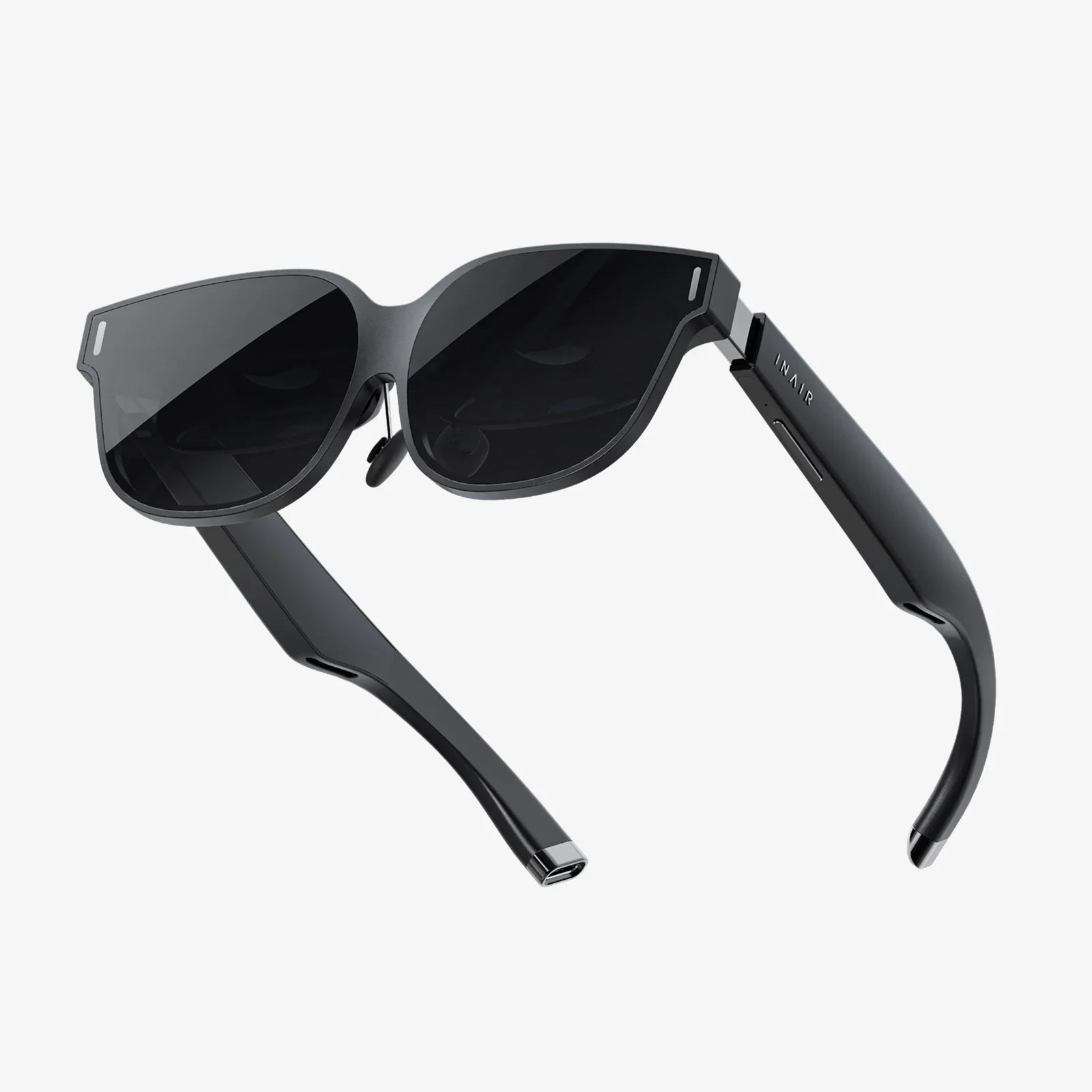
Imagine a world where the constraints of physics, geography, and even your own body are rendered obsolete. A world where you can converse with historical figures, walk on distant planets, or design your own personal paradise with a mere thought. This is not the opening scene of a science fiction blockbuster; it is a tangible, accelerating future that technologists, philosophers, and corporations are actively building. The question is no longer if we can create such immersive digital realms, but a far more profound one: will we choose to live in them? The line between our physical reality and a potential virtual one is blurring at an astonishing rate, forcing us to confront what truly gives life meaning and how we might redefine existence itself.
The Technological Trajectory: From Pixels to Presence
The journey towards plausible virtual living is underpinned by a convergence of several exponential technologies. The most obvious is the hardware: headsets are becoming lighter, cheaper, and capable of delivering incredibly high-resolution visuals. But the true leap will come from interfaces that move beyond handheld controllers and into direct neural integration. Brain-computer interfaces (BCIs) are advancing from medical applications into the consumer realm, promising a future where we can navigate virtual spaces and manipulate digital objects through intention alone. This shift from interaction to embodiment is critical. When your digital avatar responds not to button presses but to your own neural commands, the sense of "being there"—a concept known as telepresence—will become overwhelming.
Alongside hardware, the software and network infrastructure must evolve. The virtual worlds we might inhabit cannot be the lonely, pre-rendered experiences of today’s games. They will need to be persistent, shared, and vast—a concept often called the "metaverse." This requires computational power far beyond current capabilities, likely delivered through cloud streaming. The latency, the delay between your action and the world’s response, must be imperceptible to maintain the illusion of reality. The rollout of advanced networking protocols is a foundational step in building these real-time, massively multiplayer realities. Furthermore, the worlds themselves will be increasingly generated and governed by artificial intelligence. AI will not only power non-player characters that are indistinguishable from humans but also dynamically generate endless, compelling content, landscapes, and narratives tailored to each user’s desires.
The Allure of the Virtual: A Solution to Physical World Problems?
Why would we ever want to retreat into a simulation? The motivations are both pragmatic and profound. On a practical level, virtual reality offers potential solutions to some of our most pressing global issues.
- Environmental Relief: If a significant portion of economic activity, social interaction, and entertainment moves into the digital sphere, the physical footprint of humanity could shrink. Reduced commuting, travel, and material consumption could alleviate pressure on ecosystems and help combat climate change.
- Democratized Experience: Virtual spaces could offer unparalleled access to experiences that are currently limited by wealth, location, or physical ability. A student in a remote village could attend a virtual lecture at a top university, an elderly person with mobility issues could "travel" the world, and anyone could experience the thrill of performing surgery or climbing Mount Everest.
- Economic Opportunity: New industries, professions, and asset classes would emerge. Virtual land, digital fashion, and AI-crafted experiences could form the backbone of a new economy, offering creative and financial outlets for millions.
On a deeper, psychological level, the appeal is even stronger. Virtual reality offers ultimate agency and control. In a world often marked by chaos, inequality, and hardship, the ability to craft a perfect existence, achieve instant gratification, and live out any fantasy is an incredibly powerful lure. It promises an escape from pain, loneliness, and the inevitable decay of the physical body.
The Existential Abyss: What Do We Lose?
This seductive vision, however, casts a long and dark shadow. The psychological and sociological risks of mass adoption of virtual living are staggering. A primary concern is the potential for severe addiction. If a virtual world is more stimulating, rewarding, and comfortable than the real one, why would anyone leave? We already see precursors with online game addiction and social media overuse. A fully immersive VR could trigger a mass exodus from physical reality, leading to widespread neglect of our bodies, our real-world relationships, and our planetary responsibilities.
This leads to a dangerous potential for authoritarian control. If a corporation or government owns the platform and the infrastructure of your reality, they control the very fabric of your existence. They could implement unprecedented surveillance, manipulate your perceptions, curtail freedoms, and even punish dissent by restricting access to this new digital life—a form of incarceration far more absolute than any physical prison. The concept of a " reality privilege " could emerge, where the quality of one’s virtual existence is determined by wealth and status, creating a new, even more rigid digital hierarchy.
Perhaps the most profound loss would be the erosion of shared, objective reality. If we all retreat into personalized, algorithmically-curated realities, our common ground disintegrates. How can a society function, debate, and progress if its citizens cannot even agree on a basic set of facts about the world? This fragmentation would make our current challenges with misinformation and polarized media ecosystems seem trivial by comparison. Furthermore, by privileging a perfect, designed world, we risk devaluing the authentic, messy, and unpredictable beauty of nature, genuine human connection, and the irreplaceable value of physical presence.
The Philosophical Quandary: Defining Reality and Self
The prospect of virtual living forces us to re-examine ancient philosophical questions. What is "real"? If our senses are perfectly fooled, and our brain receives the same stimuli from a digital source as it would from a physical one, does the source of that stimulus matter? If you fall in love with an AI-driven character that behaves indistinguishably from a human, is that love not real? The experience itself is undeniably real to the conscious mind having it. This suggests that reality may be less about the external world and more about the internal, subjective experience of consciousness.
This also challenges our notion of self. In virtual spaces, identity becomes fluid. You can change your appearance, gender, species, or age at will. This can be a powerful tool for self-exploration and expression, freeing individuals from the prejudices associated with their physical bodies. However, it could also lead to a destabilization of the core self, a constant reinvention that prevents the formation of a stable identity. If you can be anyone, who are you, really?
A Hybrid Future: The Most Likely Path
A full-scale replacement of physical reality with a virtual one remains a distant and extreme scenario. A more probable future is a hybrid existence, or "augmented life," where the digital and physical layers seamlessly coexist. Through augmented reality glasses or permanent BCIs, we would constantly have a digital overlay on our physical world. Information, communication, and digital artifacts would be integrated into our daily perception. You might see directions painted on the street, have a conversation with a colleague’s avatar sitting across from you in a real cafe, or design a virtual sculpture in your living room.
In this model, the distinction between "living in VR" and "using VR" becomes fluid. We won’t jack in and never return; instead, we will dip in and out of deeper immersive experiences while maintaining a connection to the physical world. This balance could allow us to capture the benefits of virtual spaces—enhanced learning, richer entertainment, deeper global connection—without completely abandoning the tangible, biological reality that has shaped our species for millennia. The challenge will be to manage this integration wisely, establishing ethical frameworks, digital rights, and societal norms that prioritize human well-being over corporate profit or technological determinism.
The door to a new dimension of experience is creaking open, offering wonders we can scarcely imagine and perils we are only beginning to comprehend. Our journey into the virtual won’t be a simple yes or no, but a gradual, complex negotiation between the worlds we can build and the beings we wish to become. The ultimate question isn’t about the technology’s capability, but about our own wisdom: will we use these powerful tools to enhance our humanity, or will we, in seeking a perfect world, forget how to live in the beautifully imperfect one we already have? The answer will define the next chapter of our story.
Share:
Is Apple Making AR Glasses? The Untold Story of a Wearable Revolution
From Presence to Consciousness Through Virtual Reality: The Next Frontier of Human Experience