


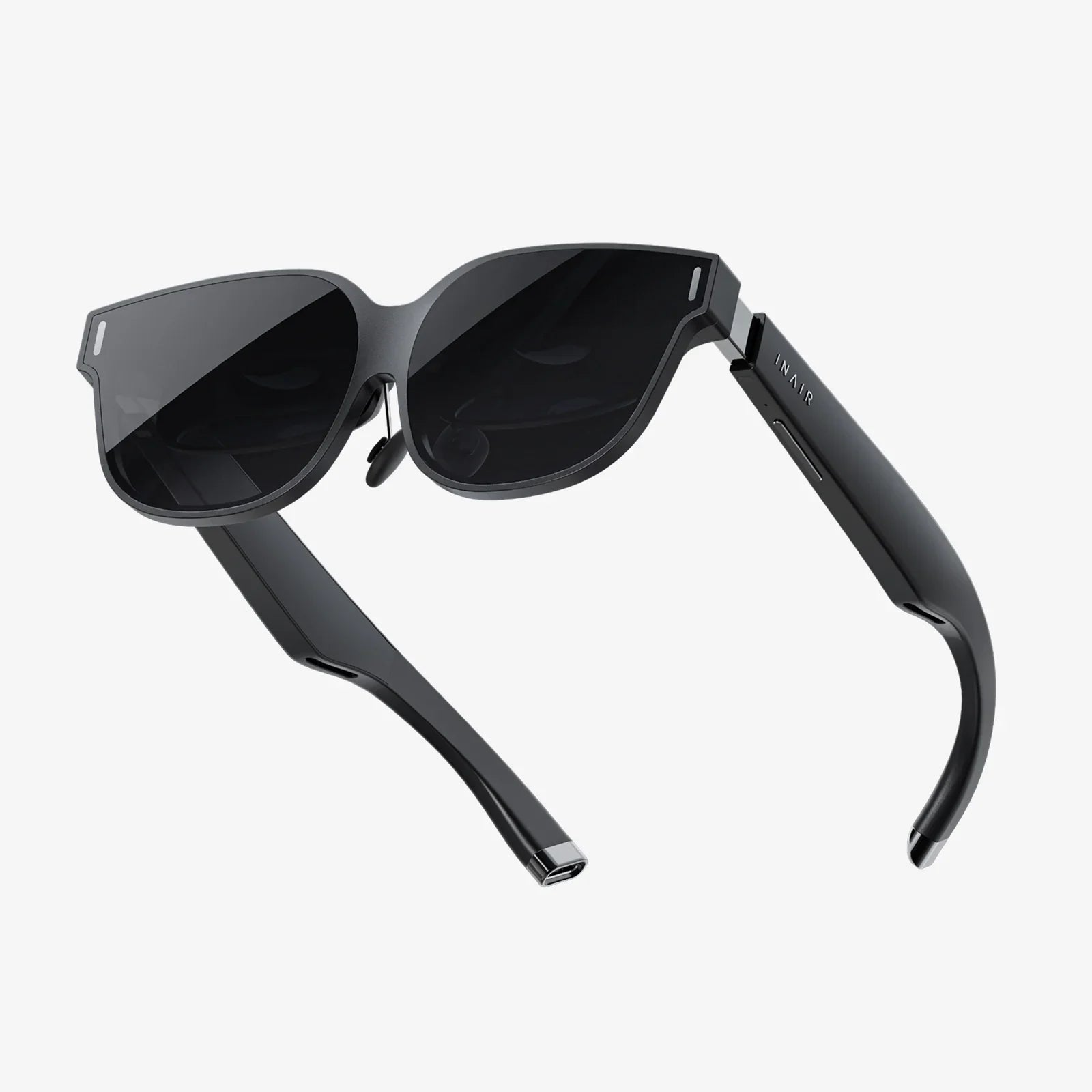
Imagine a living room devoid of the infamous 'spaghetti junction' of cables behind your entertainment center. Picture the freedom of mounting a display on any wall without drilling holes for conduit or worrying about how to route a thick HDMI cable. Envision sharing a 4K HDR movie from your phone to your television or a high-resolution presentation from a laptop to a conference room projector with a single tap. This is no longer a futuristic fantasy; it is the tangible, crystal-clear reality delivered by the revolutionary technology of wireless HD audio video streaming. This comprehensive guide pulls back the curtain on this transformative innovation, exploring how it works, why it matters, and how it is poised to redefine our digital experiences forever.
The Foundation: Understanding the Core Technologies
At its heart, wireless HD streaming is the process of transmitting uncompressed or highly compressed high-definition audio and video signals through the air using radio frequencies, replacing the need for physical cables. Unlike simple screen mirroring or casting compressed video from streaming services, true wireless HD solutions aim to deliver a bit-for-bit experience that rivals, and sometimes surpasses, a wired connection. Several key technologies make this possible.
The most common standard operating in millions of homes is Wi-Fi, specifically protocols within the 802.11 family. Technologies like Miracast and Apple's AirPlay leverage a Wi-Fi network to create a direct peer-to-peer connection between the sending device (a smartphone, tablet, or computer) and the receiving device (a TV, projector, or adapter). This allows for low-latency transmission of audio and video. The advent of Wi-Fi 6 and the emerging Wi-Fi 7 standard has been a massive boon for this application, offering greater bandwidth, reduced congestion, and improved efficiency, making stable 4K and 8K streaming a practical reality.
For scenarios demanding the absolute highest performance, particularly for gaming and high-frame-rate content, a dedicated wireless solution is often employed. These systems typically operate in the uncrowded 60 GHz millimeter-wave spectrum (using standards like WirelessHD or Wigig). This band offers enormous channel widths, enabling staggering data throughput that can handle uncompressed HD video. The catch? These ultra-high-frequency waves have very short range and are easily blocked by walls, furniture, and even a person walking through the beam. They are perfect for a clear line-of-sight between a media player and a display in the same room but less suited for whole-home distribution.
Another crucial player is a technology you likely already have in your pocket: Bluetooth. While historically insufficient for high-quality video due to limited bandwidth, modern advancements have changed the game. LE Audio, a new generation of Bluetooth audio, promises higher quality, lower power consumption, and the ability to broadcast to multiple devices simultaneously. For video, protocols like Bluetooth's Video Distribution Profile (VDP) are being enhanced, though it often works in concert with Wi-Fi for the best results.
The Seamless Setup: What You Need to Get Started
Embracing a wireless AV setup is surprisingly straightforward, often requiring minimal new equipment. The core components are a transmitter (the source) and a receiver (the display).
Many modern smart televisions, soundbars, and projectors have wireless receiving technology built-in, commonly supporting AirPlay, Miracast, or proprietary casting apps. If your display is older, a vast array of external receiver adapters are available. These small dongles plug into an HDMI port and often a USB port for power, instantly upgrading any display with wireless capabilities.
On the source side, compatibility is even broader. Most smartphones, tablets, and computers manufactured in the last five to seven years have native support for at least one major wireless streaming protocol. For dedicated sources like a gaming console or Blu-ray player, a separate transmitter unit can be connected to its HDMI output, which then beams the signal to the paired receiver.
The setup process typically involves ensuring both devices are on the same Wi-Fi network for network-dependent protocols or a simple pairing process for dedicated wireless systems. The user experience is designed to be intuitive, often appearing as an available device list within the sharing or display settings menu of your phone or computer.
Beyond Convenience: The Tangible Benefits of Cutting the Cord
The most obvious advantage of wireless streaming is the aesthetic and practical elimination of cable clutter. This creates a cleaner, safer living environment and offers unparalleled flexibility in room design. Displays can be placed or mounted anywhere within range of a power outlet, completely untethered from source devices. This is a game-changer for interior designers, homeowners, and renters alike.
This technology also fosters incredible flexibility and mobility. A presenter in a meeting room can walk around freely while their laptop remains connected to the main display. In a home, you can start watching a movie on your living room TV and effortlessly continue it on a portable display in the kitchen without interrupting playback. It enables multi-room audio synchronization, allowing the same music to play in perfect time throughout a house, creating an immersive sonic environment.
From an accessibility standpoint, wireless streaming is transformative. It eliminates the physical barriers and hazards associated with tripping over cables, making technology easier and safer to use for everyone, particularly the elderly or those with mobility challenges. It simplifies connectivity for those who may find physical ports and numerous cables confusing or intimidating.
Navigating the Challenges: Latency, Compression, and Interference
No technology is perfect, and wireless HD streaming must overcome several significant hurdles to deliver a flawless experience. The most critical of these is latency, the delay between the source sending a signal and the display rendering it. For watching movies or TV shows, a latency of even a few hundred milliseconds is often unnoticeable. However, for interactive applications like gaming or desktop computing, high latency can make the interface feel sluggish and unresponsive, rendering it unusable. Dedicated low-latency modes in modern protocols are specifically designed to mitigate this issue.
To fit massive video files through finite wireless bandwidth, compression is almost always used. Advanced codecs like H.265 (HEVC) and the newer AV1 are incredibly efficient, allowing for high-quality video at lower bitrates. However, compression is inherently lossy, meaning some data is discarded. With a strong signal, this is imperceptible. But with a weak or congested connection, it can manifest as visual artifacts, blockiness, or a overall reduction in image quality compared to a direct HDMI connection.
Wireless signals also live in a crowded world. Wi-Fi networks can interfere with each other, especially in dense urban areas. Household appliances like microwaves and baby monitors can disrupt the 2.4 GHz band. Physical obstructions—walls, floors, and metal objects—can attenuate or block signals entirely. Ensuring a strong, stable connection often involves strategic placement of routers and wireless adapters, and sometimes upgrading to a modern mesh Wi-Fi system to eliminate dead zones.
A Glimpse Into the Future: The Next Wave of Wireless Innovation
The evolution of wireless AV streaming is accelerating, driven by demands for higher resolution, lower latency, and more immersive formats. The widespread adoption of 4K/120Hz and 8K displays is pushing the development of next-generation wireless technologies that can handle bandwidth requirements exceeding 40 Gbps, a figure once only achievable with fiber-optic cables.
The integration of Artificial Intelligence (AI) and machine learning is set to revolutionize the user experience. Future systems will intelligently manage network traffic, dynamically allocating bandwidth to prioritize the AV stream to prevent stuttering during a crucial movie scene or online game. They will automatically diagnose and troubleshoot connection issues, guiding users to a solution without technical know-how.
Furthermore, wireless technology is the key that unlocks the door to widespread adoption of augmented reality (AR) and virtual reality (VR). High-performance wireless links are essential for creating untethered VR headsets that offer full freedom of movement without sacrificing visual fidelity. Similarly, for AR glasses to become all-day wearable devices, they will need to seamlessly stream information from a companion device in a pocket, all while consuming minimal power.
The ultimate goal is complete convergence and interoperability. The industry is moving towards a future where a universal standard exists, allowing any device to connect to any display effortlessly, regardless of manufacturer. This plug-and-play idealism, combined with relentless innovation in speed and reliability, will make the wire a relic of the past.
The click of a button, the swipe of a screen—that's all it takes to flood your room with breathtaking visuals and immersive sound from across your home. Wireless HD audio video streaming is more than just a convenience; it's the silent, invisible conductor orchestrating a symphony of digital content, freeing us from the last physical shackles of the digital age and inviting us into a world where our entertainment and information flow as freely as air.
Share:
ar glasses black man: Style, Tech, and Everyday Power
Sharper Image Virtual Reality Smartphone Viewer With Controller: Complete 2025 Guide