


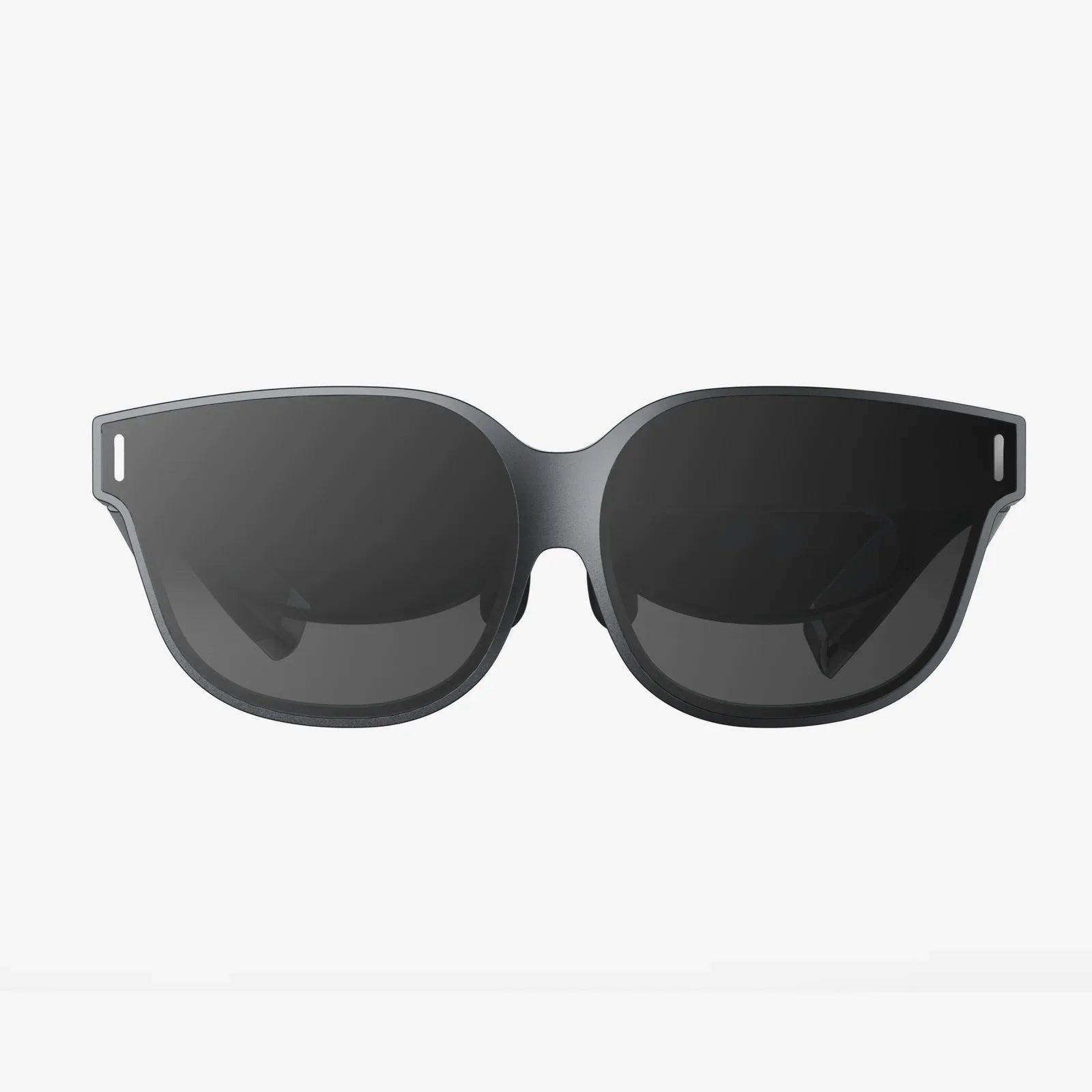
Imagine a world without the unsightly tangle of cables behind your television, the frantic search for the right adapter for a presentation, or the limitation of being physically chained to a port. This is the promise and the reality delivered by the modern wireless streamer, a compact yet powerful device that has fundamentally reshaped how we interact with our screens, from the living room to the boardroom. This technology is more than a mere convenience; it's a gateway to a more fluid, flexible, and immersive digital experience, unlocking the full potential of the content and devices we already own.
The Core Technology: How a Wireless Streamer Actually Works
At its heart, a wireless streamer is a dedicated hardware device designed to receive data wirelessly from a source—like a smartphone, tablet, or computer—and transmit it to a display, such as a television, monitor, or projector. The magic happens through a combination of sophisticated protocols and hardware components working in concert.
The process typically begins with your source device. You initiate a action—selecting a video, launching a presentation, or choosing to mirror your entire screen. The source device then encodes this audio and video data into a digital packet. This is where the primary wireless protocols come into play:
- Wi-Fi Direct and Miracast: These standards allow for a direct device-to-device connection without needing a traditional wireless network. The source device discovers the streamer and establishes a peer-to-peer link, creating its own mini-network for a low-latency, secure connection ideal for screen mirroring.
- Standard Wi-Fi (2.4 GHz and 5 GHz bands): Many streamers connect to your home or office's existing Wi-Fi network. Both the source device and the streamer join the same network. The source sends data to your router, which then relays it to the streamer. This method is excellent for accessing cloud-based streaming services directly or for whole-home audio distribution.
- Bluetooth: While less common for primary video transmission due to bandwidth limitations, Bluetooth is often used by streamers for connecting auxiliary devices like wireless headphones or speakers for private listening.
Once the streamer receives this encoded data packet, its internal processor gets to work decoding it, transforming the digital information back into a viewable video signal and audible audio signal. This signal is then output to the display via its physical port, most commonly HDMI. The entire process, from initiation to display, happens in milliseconds, and advancements in chipset technology have made this transmission incredibly efficient and reliable.
A Universe of Applications: Beyond Just Watching Movies
While streaming popular entertainment is a primary use case, the versatility of a wireless streamer extends far into other aspects of daily life.
The Entertainment Hub
This is the most celebrated role of the streamer. It democratizes access to a vast universe of content. A non-smart TV or an older model with outdated software is instantly upgraded to a modern entertainment center. Users can effortlessly access hundreds of streaming platforms, from the most prominent subscription services to free, ad-supported channels offering niche content. It also enables easy browsing of personal media libraries—photos from a recent vacation, home videos, or a curated music playlist—transforming them into shared experiences on the big screen with superior sound.
The Power Tool for Gamers
For the gaming community, certain high-performance wireless streamers have been a revelation. They enable mobile gaming on a large display, freeing the experience from the confines of a small phone or tablet screen. More significantly, they facilitate PC-to-TV streaming, allowing gamers to play their extensive library of computer games from the comfort of their couch on their living room television without the need to move their entire desktop setup. Low-latency transmission is critical here, ensuring that button presses and controller movements are reflected on-screen instantly, without lag that can ruin the gaming experience.
The Professional's Secret Weapon
In the modern workplace, the wireless streamer is an indispensable tool for collaboration and presentation. In conference rooms, they eliminate the awkward fumbling with cables and dongles. A meeting participant can walk into the room and, with a few clicks, wirelessly project their laptop screen to the main display to share slides, documents, or data dashboards. This seamless connectivity fosters a more dynamic and efficient meeting environment. It also supports hybrid meetings perfectly, allowing content from a video call to be shared clearly with everyone in the room. For designers, architects, and artists, it provides an easy way to showcase portfolios and designs to clients on a large format.
The Educational Accelerator
In classrooms and lecture halls, this technology promotes interactive learning. Educators can move freely around the room while controlling the presentation from their tablet or laptop. They can instantly display a student's work to the entire class to facilitate discussion or use educational apps collaboratively. This dynamic teaching style can significantly enhance student engagement and participation.
Key Advantages: Why Make the Switch to Wireless?
The benefits of integrating a wireless streamer into your setup are numerous and impactful.
- Unmatched Convenience and Simplicity: The most obvious advantage is the removal of cables. This creates a cleaner, safer space free of tripping hazards and clutter. Setup is typically user-friendly, often involving a simple plug-and-play process with intuitive on-screen guides.
- Universal Compatibility: A good wireless streamer acts as a universal translator for your devices. It bridges the gap between different ecosystems, allowing an device to connect to an display, regardless of the manufacturer. This breaks down the walls of proprietary technology.
- Enhanced Accessibility: It makes technology more accessible. For individuals with mobility challenges, the ability to control what's on the main screen from a personal device without needing to physically interact with the television or a set-top box can be profoundly empowering.
- Cost-Effective Upgrade: Instead of purchasing a brand new smart TV with the latest built-in features, a wireless streamer offers a more affordable path to modernization. It can extend the functional life of a high-quality display that lacks smart capabilities.
- Centralized Control: Many streamers come with a unified remote or a mobile app that can consolidate control, sometimes even replacing multiple remotes for your TV, sound system, and streamer itself.
Choosing Your Perfect Wireless Streamer: A Buyer's Considerations
Not all streamers are created equal. Selecting the right one depends on your specific needs and environment. Here are the critical factors to weigh before making a purchase.
- Supported Resolution and HDR: This is paramount for the entertainment enthusiast. Ensure the device supports the highest resolution your display can handle—4K Ultra HD is now standard for high-end models, with some pushing into 8K. Also, check for support for HDR formats like HDR10, HLG, and Dolby Vision, which provide a wider color gamut and superior contrast.
- Interface and User Experience (UI/UX): The operating system and menu layout of the streamer are crucial. Look for a clean, fast, and intuitive interface that makes finding your content simple. A cluttered, slow, or confusing UI can ruin the experience.
- Audio Capabilities: For audiophiles and home theater owners, audio support is as important as video. Look for streamers that support advanced audio codecs like Dolby Atmos and DTS:X for immersive, object-based sound that can be passed through to a compatible soundbar or AV receiver.
- Connectivity and Ports: While the connection is wireless, the streamer itself needs physical ports. An HDMI port is standard, but some models may include additional USB ports for playing media from external drives, an Ethernet port for a more stable wired network connection, or an optical audio output.
- Processing Power and RAM:
A powerful processor and ample RAM ensure the device operates smoothly. This means faster app loading, quicker navigation through menus, and better performance with demanding applications and games. Insufficient power can lead to frustrating lag and stuttering.
Overcoming Potential Hurdles
While the technology is robust, users should be aware of potential challenges. The primary concern is network congestion. A crowded Wi-Fi channel can cause buffering or a drop in video quality. For the best performance, using the less congested 5 GHz Wi-Fi band is recommended, or better yet, using a wired Ethernet connection if the streamer supports it. Ensuring a strong wireless signal between your router and the streamer is also key. Compatibility can occasionally be an issue, particularly with older devices or certain file formats, though this is becoming increasingly rare. Furthermore, while screen mirroring is convenient, some content protected by digital rights management (DRM) may not mirror in full resolution for security reasons, necessitating the use of the platform's native app on the streamer itself.
The Future is Wireless and Intelligent
The evolution of the wireless streamer is far from over. We are already seeing the integration of voice assistants, allowing users to search for content, control playback, and manage smart home devices using just their voice. Artificial intelligence is beginning to play a role in content discovery, offering personalized recommendations based on viewing habits. As video and audio standards continue to evolve with higher bitrates and more immersive formats, wireless streamers will continue to be at the forefront, adopting new wireless standards like Wi-Fi 6E and 7 to handle the increased demand for bandwidth effortlessly. They are poised to become even more central to the smart home, acting as a command hub that connects not just our entertainment, but our entire digital lives.
The humble wireless streamer has quietly revolutionized our relationship with technology, cutting the cord not just for convenience, but for a richer, more connected, and more personalized experience. It has empowered our devices, transformed our spaces, and redefined what it means to be entertained, informed, and productive. By understanding its capabilities and choosing wisely, you can unlock a seamless world of digital freedom, where your favorite content and most important work follow you effortlessly from screen to screen, without ever needing to plug in a single cable.
Share:
Windows 10 Virtual Display: The Ultimate Guide to Expanding Your Digital Workspace
Virtual Workspaces UK: The Definitive Guide to the Future of British Business