


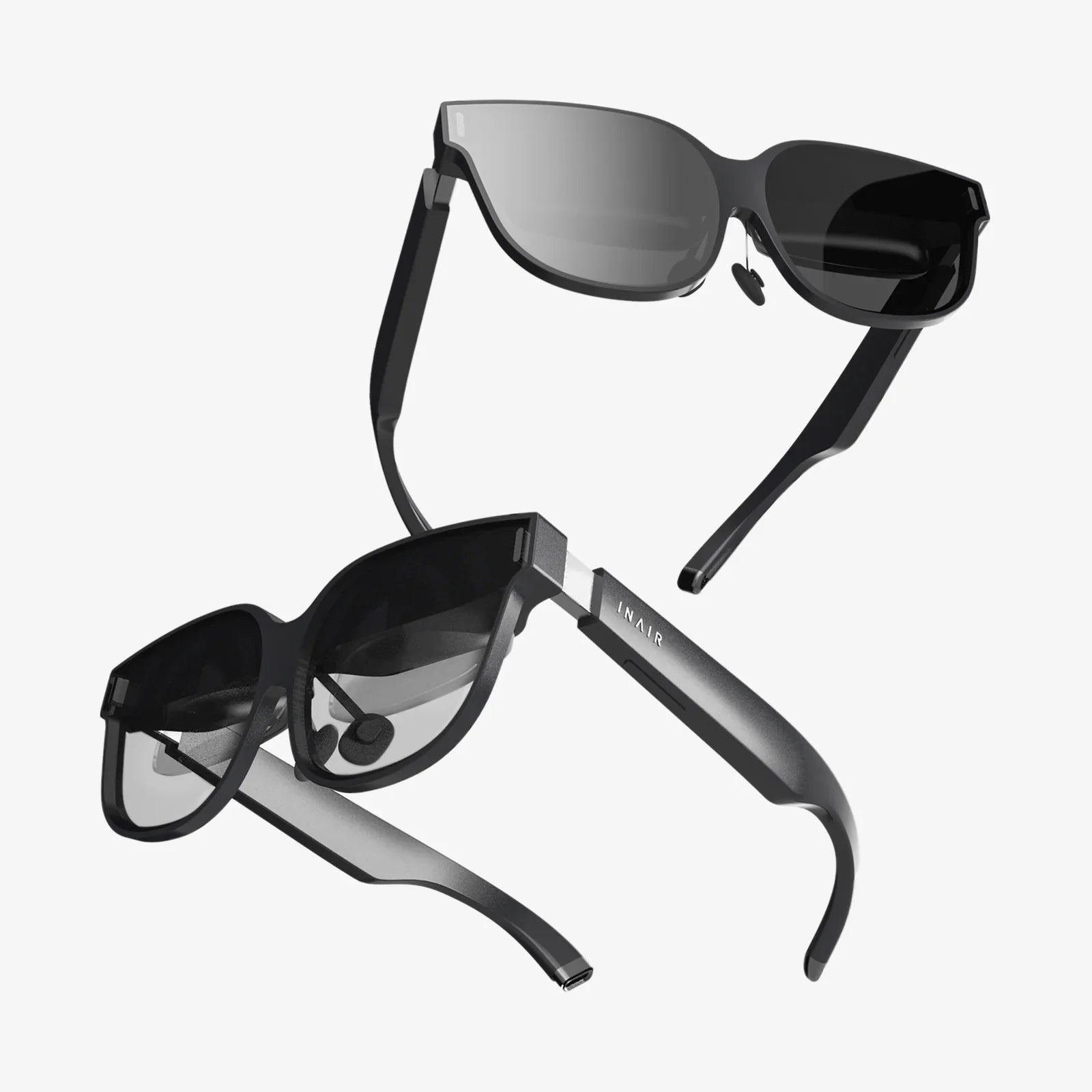
Imagine stepping into a virtual world, free to move, spin, and explore without a single thought for the physical tether binding you to reality. This is no longer a fantasy glimpsed in science fiction; it is the present and future of virtual reality, powered by the revolutionary shift to wireless technology. The liberation from cables is not merely a convenience—it is a fundamental transformation that redefines what is possible within the digital realm, unlocking unprecedented levels of immersion, accessibility, and pure, unadulterated fun. The cord has been cut, and there's no going back.
The Evolution of Freedom: From Tethered Beginnings to a Wireless World
The journey of virtual reality, in its modern consumer form, began firmly anchored. Early high-fidelity headsets were phenomenal feats of engineering, delivering rich, detailed visuals and responsive tracking. However, they came with a significant caveat: a thick, often cumbersome cable that snaked from the headset to a powerful computing device. This tether was a constant reminder of the real world, a leash that limited physical movement and posed a genuine tripping hazard. Users were confined to a small, carefully managed play area, always conscious of their orientation to avoid wrapping the cable around their legs or yanking it from its port.
The desire for freedom was immediate and clear. The first steps toward wireless VR came in the form of external solutions—bulky battery packs and transmitter/receiver kits that could be strapped to a user's body, effectively replacing the video cable with a wireless signal while adding weight and complexity. While these were valiant efforts, they were often expensive, added latency, and were still a half-measure. The true revolution began with the integration of wireless technology directly into the design philosophy of new headsets. This marked a pivotal shift from treating wireless as an expensive add-on to embracing it as a core, essential feature for a complete VR experience.
How Wireless VR Works: The Magic Behind the Freedom
The magic of wireless VR lies in seamlessly transmitting vast amounts of data—high-resolution video and audio—with incredibly low latency, all while receiving precise tracking data back from the headset and controllers. This technological ballet is performed primarily through two methods:
1. PC-Streamed Wireless VR
This approach allows a high-end headset to act as a display for a nearby computer, which handles the intense processing workload. The video signal is compressed and transmitted wirelessly from the computer to the headset, while the headset sends back its positional and controller data.
- The Technology: This typically utilizes a dedicated wireless transmitter connected to the computer and a receiver inside the headset. They operate on high-bandwidth frequencies, most commonly a dedicated band, to avoid interference from common household wireless networks. Advanced compression algorithms are crucial here, ensuring the video signal is transmitted quickly and decompressed with minimal visual loss or added latency.
- The Trade-off: The user enjoys the full graphical fidelity powered by a robust computer but must remain within a reasonable range of the transmitter (often in the same room). The experience is also dependent on a clear line of sight to avoid signal degradation.
2. Standalone Wireless VR
This is the most accessible and popular form of wireless VR. Here, the computer is built directly into the headset itself. Everything—the processor, graphics chip, memory, and battery—is self-contained.
- All-in-One Design: These devices are completely untethered and portable. Users can enjoy VR anywhere they have enough space, from their living room to a large empty hall, with no external computer required.
- The Trade-off: The graphical capability is limited by the thermal and power constraints of a mobile processing platform. While the technology advances at a staggering rate, offering ever-improving visuals, it does not yet match the raw power of a high-end desktop computer. However, the sheer convenience and freedom often far outweigh this for most users.
The Profound Impact on Immersion and User Experience
Removing the cable does more than just eliminate a tripping hazard; it fundamentally alters the psychological and physical relationship between the user and the virtual environment.
- Unbroken Presence: 'Presence' is the holy grail of VR—the sensation of actually being in the virtual world. A cable constantly tugging at the back of your head is a persistent 'haptic reminder' of the real world, shattering this illusion. Wireless technology removes this anchor, allowing the brain to fully commit to the reality presented to it.
- 360-Degree Freedom: With a cable, turning around is a calculated maneuver. Without one, it becomes a natural, instinctive action. This enables true 360-degree gameplay and experiences. Users can spin, duck, dodge, and look behind them without a second thought, making games more dynamic and reactive and allowing for more natural exploration in experiential applications.
- Physical Safety and Peace of Mind: The fear of tripping or damaging equipment is a significant barrier to immersion. Wireless VR eliminates this anxiety, allowing users to move with confidence and engage more physically with the content.
- Accessibility and Spontaneity: The setup process for a wireless headset, especially a standalone one, is drastically simpler. There are no cables to manage, no sensors to calibrate. This lowers the barrier to entry, making it easier for new users to try VR and for enthusiasts to jump in for a quick session without a lengthy setup ritual.
Navigating the Challenges: Latency, Battery Life, and Bandwidth
The wireless path is not without its obstacles. Engineers have had to overcome significant hurdles to make the experience seamless.
- Latency is the Enemy: In VR, latency—the delay between an action and the corresponding on-screen response—is more than just an annoyance; it can cause motion sickness and break immersion. Wireless transmission must add negligible latency to the system. This is achieved through ultra-fast chipsets, efficient compression codecs, and dedicated, interference-free radio bands.
- The Battery Life Conundrum: Freedom comes at the cost of power. Wireless headsets must house a battery, adding weight. Managing battery life is a constant balance between performance, weight, and cost. Most systems offer 2-3 hours of use, which is sufficient for most sessions but requires a habit of charging after use. This remains a key area for innovation.
- Bandwidth and Compression: Transmitting a high-resolution, high-refresh-rate video signal requires enormous bandwidth. Pushing the limits of wireless technology has led to incredible innovations in data compression, ensuring the visual experience remains sharp and clear without consuming impractical amounts of spectral bandwidth.
The Expanding Universe of Wireless VR Applications
The implications of wireless VR extend far beyond the gaming world, though that remains a massive driver.
- Gaming and Entertainment: This is the most obvious application. Wireless VR enables active, room-scale games that would be impossible with a cable. It allows for free movement in virtual cinemas and social spaces, making shared experiences more natural and engaging.
- Enterprise and Training: In fields like medicine, engineering, and corporate training, wireless VR allows trainees to move freely around a virtual operating table, a digital engine, or a simulated retail environment. This hands-on, unencumbered practice is invaluable.
- Design and Architecture: Architects and designers can walk clients through immersive, full-scale 3D models of buildings and spaces. The ability to walk around freely, rather than being stuck in one spot, provides a much more authentic understanding of the design.
- Social Connection and Fitness: Social VR platforms become vastly more engaging when users can interact with natural body language. VR fitness applications, which often involve squats, jumps, and rapid movements, are almost entirely dependent on wireless technology to be practical and safe.
The Future is Untethered: What Lies on the Horizon
The trajectory of wireless VR points toward even greater integration, performance, and intelligence. We are moving toward headsets that are not only wireless but also more powerful, lighter, and smarter. The lines between standalone and PC-streamed VR may blur, with headsets capable of switching between their own mobile processing for convenience and a wireless link to a computer for maximum fidelity. The development of more advanced codecs and the potential use of new spectrum bands will continue to improve visual quality and reduce latency. Furthermore, as the broader ecosystem of the 'metaverse' develops, the demand for persistent, accessible, and unconstrained virtual interaction will make wireless technology not an option, but an absolute necessity. It will become the default, the expected standard for all immersive computing.
The feeling is indescribable until you've felt it yourself—the moment you forget about the hardware and lose yourself in a digital universe, moving your body not as a conscious command but as a natural reaction to the world around you. Wireless VR is the key that unlocked this door, transforming a technically impressive novelty into a genuinely transformative medium for play, work, and human connection. This is just the beginning of a journey into a world without limits, and the only cord you'll need to worry about is the one you plug in to recharge.
Share:
Best VR for Working Out: The Ultimate Guide to a Fun and Effective Fitness Revolution
Best VR for Working Out: The Ultimate Guide to a Fun and Effective Fitness Revolution