


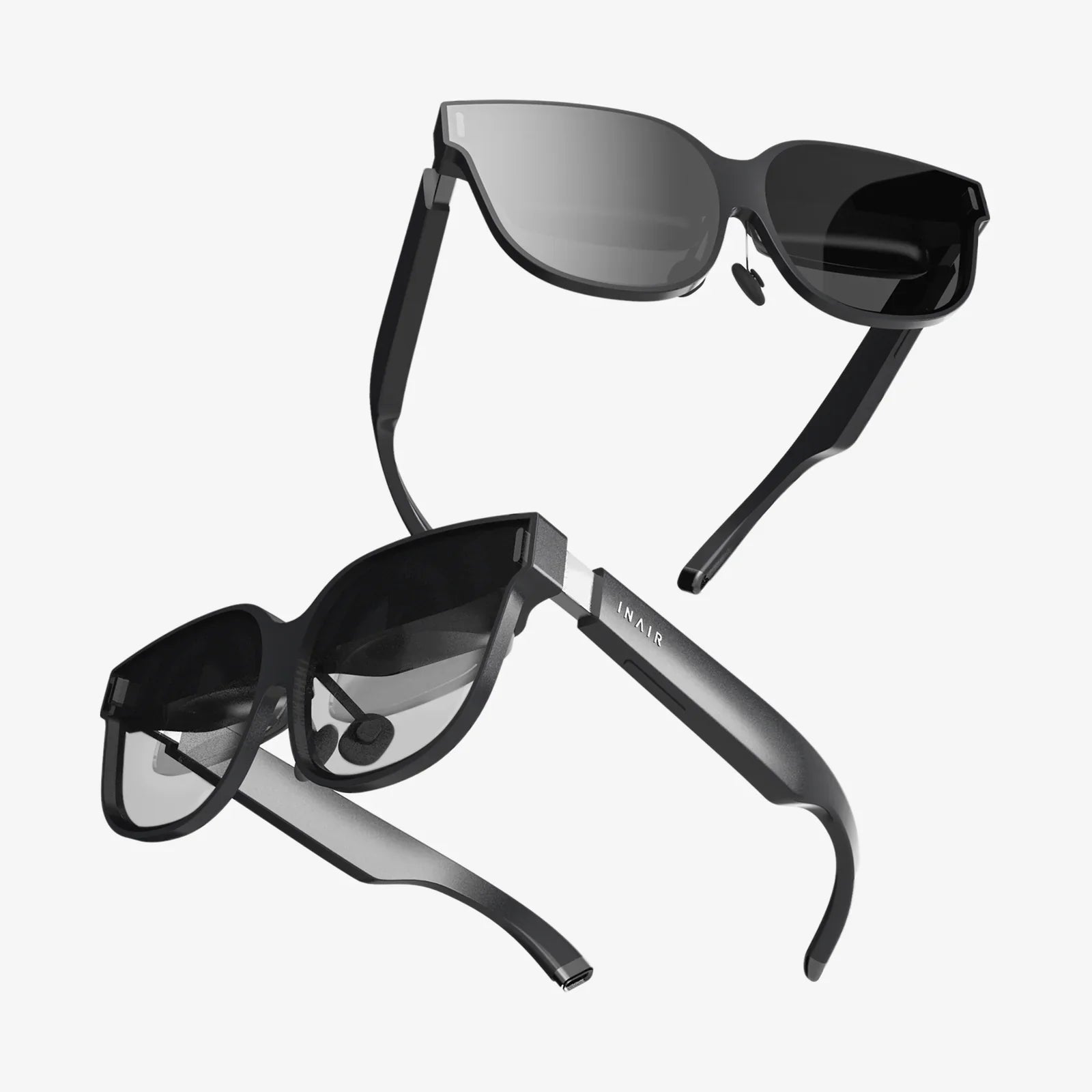
XR eyewear is quietly turning science fiction into something you can wear on your face today. From virtual workspaces floating in mid-air to real-time translation captions hovering beside the person you are speaking with, these lightweight headsets are reshaping how we see and interact with the world. If you have ever wondered when the next big leap in personal technology would arrive, XR eyewear is one of the strongest contenders, and understanding it now could change how you work, learn, play, and connect in the years ahead.
To make sense of this fast-moving space, it helps to break down what XR eyewear actually is, how it works, and why it matters. Whether you are a professional exploring new tools, a gamer seeking deeper immersion, an educator planning future classrooms, or simply a curious early adopter, the concepts behind XR eyewear will soon affect the devices you buy and the experiences you expect from them.
What Is XR Eyewear?
XR eyewear refers to a family of head-worn devices that blend digital content with your real-world view, or replace it entirely, to create immersive experiences. The "XR" stands for extended reality, an umbrella term that includes virtual reality (VR), augmented reality (AR), and mixed reality (MR). Instead of looking down at a phone or up at a TV, XR eyewear brings digital experiences directly into your field of view.
Unlike traditional screens, XR eyewear can:
- Overlay digital information on top of the real world
- Transport you into fully virtual environments
- Respond to your head, eye, and hand movements
- Create a sense of depth and presence that flat screens cannot match
These devices can resemble bulky headsets, sleek glasses, or even lightweight visors, depending on their purpose and level of immersion. The core idea is the same: your eyes become the main gateway for a new layer of digital experiences.
VR, AR, And MR: How XR Eyewear Types Differ
To understand XR eyewear, it is useful to distinguish the main modes it supports. Each mode changes how much of the real world you see and how digital content is presented.
Virtual Reality (VR)
VR-focused XR eyewear blocks out the real world and replaces it with a fully digital environment. You look into displays inside the headset, and everything you see is computer-generated. This is ideal for:
- Gaming and interactive entertainment
- Simulated training for high-risk jobs
- Virtual tourism and exploration
- Immersive storytelling and cinema
Because VR dominates your visual field, it can deliver strong presence and immersion but is less suited for tasks that require awareness of your surroundings.
Augmented Reality (AR)
AR-style XR eyewear keeps the real world visible and overlays digital content on top of it. You still see your environment, but you might also see:
- Navigation arrows on the street in front of you
- Floating notifications in your living room
- Labels, diagrams, or instructions attached to real objects
This mode is powerful for productivity, training, and everyday assistance because you remain anchored in reality while gaining extra information.
Mixed Reality (MR)
MR takes AR further by allowing digital objects to interact with the physical world in believable ways. Through advanced spatial mapping and tracking, the eyewear understands surfaces, distances, and geometry around you. This allows virtual objects to:
- Sit realistically on tables or shelves
- Hide behind real-world obstacles
- Respond to your movements and gestures with accurate physics
MR is especially compelling for design, collaboration, and simulation, where digital and physical elements need to coexist and interact seamlessly.
Core Technologies Inside XR Eyewear
XR eyewear may look simple from the outside, but inside it combines multiple advanced technologies. Understanding these building blocks helps explain why some devices feel more comfortable, realistic, or responsive than others.
Displays And Optics
The displays in XR eyewear are responsible for generating the images your eyes see. Common technologies include:
- OLED and LCD panels for rich colors and high contrast
- Microdisplays that pack many pixels into tiny panels
- Waveguides or prisms that direct images into your eyes for see-through AR
Optics, such as lenses and light guides, shape and focus the images. They must balance clarity, field of view, weight, and distortion. High-quality optics reduce eye strain and create a more natural visual experience.
Tracking And Sensors
To make virtual content feel anchored and responsive, XR eyewear tracks your movements and the environment in real time. Typical sensors include:
- Inertial measurement units (IMUs) to detect head rotation and movement
- Cameras for inside-out tracking and spatial mapping
- Depth sensors to understand distances and surfaces
- Eye-tracking sensors to follow your gaze
These sensors allow the device to adjust the image as you move, preventing motion sickness and keeping virtual objects stable in your view.
Processing Power And Connectivity
XR eyewear requires significant computing power to render graphics, analyze sensor data, and run applications. This can be provided by:
- Onboard processors in standalone devices
- Tethered connections to PCs or consoles
- Wireless streaming from nearby computers or cloud services
Low latency is critical. Even small delays between your movements and the visual response can break immersion and cause discomfort. High-speed wireless standards and efficient chips are therefore central to the XR experience.
How XR Eyewear Is Transforming Work
XR eyewear is not just a new way to play games; it is rapidly becoming a serious tool for work. By blending digital tools with physical spaces, it opens up new workflows and collaboration models.
Remote Collaboration And Virtual Offices
Instead of staring at flat video tiles in a traditional video call, XR eyewear can place life-sized colleagues around a virtual table. Shared 3D models, whiteboards, and documents can float in the space between participants. This creates a more natural sense of presence and makes complex ideas easier to discuss.
Virtual offices allow remote workers to:
- Arrange multiple virtual monitors without physical screens
- Customize their workspace layout for focus or collaboration
- Visualize data and dashboards in large, immersive formats
For distributed teams, XR eyewear can reduce the feeling of isolation and bring back some of the spontaneity of in-person interactions.
Training, Simulation, And Skill Development
Training is one of the strongest current uses of XR eyewear. Immersive simulations allow learners to practice tasks in realistic environments without the cost or risk of real-world setups. Examples include:
- Technical workers practicing complex equipment procedures with guided overlays
- Medical professionals rehearsing surgeries in detailed virtual anatomy
- Emergency responders simulating dangerous scenarios safely
Because XR experiences can be repeated, paused, and adjusted, they support both novice learning and expert refinement. The ability to learn by doing, rather than just reading or watching, significantly boosts retention.
Design, Engineering, And Visualization
Design and engineering teams use XR eyewear to bring 3D models into shared space. Instead of reviewing designs on flat screens, they can walk around full-scale virtual prototypes, inspect details, and make changes collaboratively.
This approach helps teams:
- Spot design flaws earlier
- Reduce the need for physical prototypes
- Communicate ideas more clearly across disciplines
Architects can visualize buildings on-site, engineers can test ergonomics virtually, and stakeholders can experience projects before construction begins.
XR Eyewear In Education And Learning
Education is another area where XR eyewear shows enormous promise. By turning abstract concepts into interactive experiences, it can make learning more engaging and accessible.
Immersive Classrooms
Imagine students exploring the solar system by walking among planets, or history classes that let learners stand in reconstructed ancient cities. XR eyewear can transform lessons into experiences that feel real and memorable.
Teachers can use XR to:
- Illustrate complex scientific processes in 3D
- Bring distant locations into the classroom
- Offer interactive lab simulations when physical labs are not available
Because XR can adapt to different learning speeds and styles, it also supports personalized learning paths.
Skill-Based And Vocational Training
For vocational education, XR eyewear offers hands-on practice without the need for constant access to specialized equipment. Trainees can:
- Follow step-by-step AR overlays during complex procedures
- Practice troubleshooting scenarios repeatedly
- Receive real-time feedback on performance
This reduces training costs, improves safety, and allows learners to build confidence before working with real systems.
Entertainment, Gaming, And Social Experiences
Entertainment remains one of the most visible and compelling uses of XR eyewear. The ability to step inside a story, game, or concert offers a level of engagement that traditional media cannot match.
Immersive Games And Storytelling
Games designed for XR eyewear can surround players with interactive worlds. Instead of controlling a character from a distance, you move, look, and interact naturally. This can create powerful emotional connections and memorable experiences.
Interactive storytelling experiences allow audiences to explore narratives from within, choosing paths, perspectives, and outcomes. This blurs the line between spectator and participant.
Virtual Events And Social Spaces
Virtual concerts, festivals, and social spaces accessed through XR eyewear let people gather from around the world in shared environments. Attendees can:
- Stand near a virtual stage with friends
- Explore interactive art installations
- Join themed social hubs for conversation and activities
These experiences offer new ways to connect, especially when travel or physical gatherings are limited.
Daily Life: How XR Eyewear Could Become Invisible Technology
As XR eyewear becomes lighter and more stylish, it has the potential to move from a niche gadget to an everyday accessory. The long-term vision is that these devices will feel as normal as wearing glasses or headphones.
Navigation And Urban Exploration
In daily life, XR eyewear could guide you through cities with subtle overlays: arrows on the ground, street names floating at intersections, and points of interest highlighted as you look around. Instead of constantly checking a phone, you could keep your head up and your hands free.
Productivity And Multitasking
For personal productivity, XR eyewear can create virtual screens wherever you are. You might:
- Place a large virtual monitor above your desk
- Keep a small to-do list floating near your peripheral vision
- Pin reference documents to the side while you focus on a main task
This flexibility allows you to build a personalized workspace that travels with you, reducing reliance on physical displays.
Real-Time Assistance
XR eyewear can also serve as a real-time assistant. Potential uses include:
- Translation subtitles appearing next to someone speaking another language
- Cooking instructions overlaid on your kitchen counter
- Maintenance instructions attached to appliances as you look at them
By connecting information directly to the objects and tasks in front of you, XR eyewear turns abstract data into practical guidance.
Key Challenges Facing XR Eyewear
Despite its potential, XR eyewear still faces significant hurdles. Recognizing these challenges helps set realistic expectations and highlights areas where innovation is most needed.
Comfort And Wearability
To be worn for long periods, XR eyewear must be comfortable, lightweight, and compatible with different face shapes and prescriptions. Challenges include:
- Reducing weight without sacrificing performance
- Managing heat from processors and displays
- Accommodating glasses wearers and different interpupillary distances
Design improvements and new materials are steadily addressing these issues, but there is still progress to be made before XR eyewear feels as effortless as regular glasses.
Visual Quality And Eye Health
Visual comfort is crucial. Poor optics, low resolution, or mismatched focus can cause eye strain, headaches, or nausea. Developers must balance:
- High resolution and sharpness
- Wide field of view
- Accurate color and brightness
- Consistent focus cues that match real-world vision
Users should pay attention to how their eyes feel during use and take breaks as needed, especially in early adoption phases.
Privacy, Security, And Social Acceptance
XR eyewear often uses cameras and sensors that can capture surroundings, including other people. This raises questions about:
- When and where recording is appropriate
- How captured data is stored and used
- How to signal to others that a device is active
Social norms and regulations are still evolving. For XR eyewear to be widely accepted, it must respect privacy and make its capabilities clear to both users and bystanders.
How To Evaluate XR Eyewear Before You Buy
If you are considering investing in XR eyewear, it helps to approach the decision with clear criteria. Different devices excel at different tasks, so align your choice with your primary use cases.
Define Your Primary Purpose
Start by deciding what you care about most:
- Immersive gaming and entertainment favor high-quality VR experiences
- Productivity and work may require comfortable, mixed reality devices
- On-the-go assistance points toward lightweight AR eyewear
Knowing your priority helps narrow down options and avoid paying for features you will rarely use.
Assess Comfort And Fit
Whenever possible, try XR eyewear in person. Pay attention to:
- Pressure points on your nose, forehead, and cheeks
- Balance of weight front-to-back
- How your eyes feel after several minutes of use
Comfort is not just a luxury; it determines whether you will actually use the device regularly.
Check Visual And Audio Quality
Look for:
- Clear text and minimal screen-door effect
- Good brightness and contrast in different lighting conditions
- Smooth motion without noticeable lag
- Spatial audio that matches the direction of virtual objects
These factors strongly influence immersion and usability, especially for longer sessions.
Consider Ecosystem And Content
XR eyewear is only as useful as the experiences it can access. Evaluate:
- Available apps for your interests (work, education, games, design)
- Compatibility with your existing devices and software
- Frequency of updates and developer support
A strong ecosystem ensures your device will grow more capable over time rather than becoming quickly obsolete.
Practical Tips For Using XR Eyewear Safely And Comfortably
Once you have XR eyewear, using it wisely can make a big difference in comfort and enjoyment.
Start With Short Sessions
Give your eyes and brain time to adapt. Begin with short sessions and gradually increase duration. If you feel discomfort, take a break rather than pushing through.
Optimize Your Environment
Use XR eyewear in a safe, clear area, especially for full VR experiences. Remove obstacles, mind cables if present, and ensure you have enough room to move. Good lighting can also help tracking performance for some devices.
Adjust Settings To Your Needs
Most XR eyewear allows adjustments for:
- Interpupillary distance (IPD)
- Brightness and contrast
- Text size and interface scale
- Comfort modes that reduce motion intensity
Experiment with these options to find what feels best for your eyes and preferences.
What The Future Of XR Eyewear Might Look Like
XR eyewear is still evolving quickly, and the devices of the near future will likely be more powerful, comfortable, and integrated into daily life than what we see today.
Smaller, Lighter, And More Stylish Designs
Advances in displays, batteries, and processors are enabling slimmer form factors. Over time, XR eyewear could resemble ordinary glasses, with most of the technology hidden in subtle frames and lenses.
Better Integration With Everyday Devices
Future XR eyewear is likely to integrate seamlessly with phones, laptops, and smart home systems. You might start a task on a laptop, continue it in XR with virtual screens, and then glance at a wall to see related information displayed in your environment.
Context-Aware And Personalized Experiences
As XR eyewear becomes more context-aware, it will understand where you are, what you are doing, and what information might help. Personalized overlays could adapt to your habits, preferences, and accessibility needs, making the technology feel more like a natural extension of your perception.
Why Now Is The Time To Pay Attention To XR Eyewear
XR eyewear is moving from experimental novelty toward mainstream relevance. The combination of improving hardware, richer content, and growing professional adoption suggests that the next few years will be pivotal. Whether you plan to adopt early or wait for more mature versions, understanding the landscape now gives you an advantage.
If you are curious about where visual computing is heading, XR eyewear offers a direct glimpse into that future. It has the potential to reshape not only how we entertain ourselves, but also how we work, learn, and interact with information. Exploring it today means you will be better prepared to navigate, and even help shape, the immersive digital worlds that are rapidly coming into view.
Share:
ars call: Mastering Modern Communication in a Hyperconnected World
baptist health russellville ar Guide to Care, Services, and Local Resources