


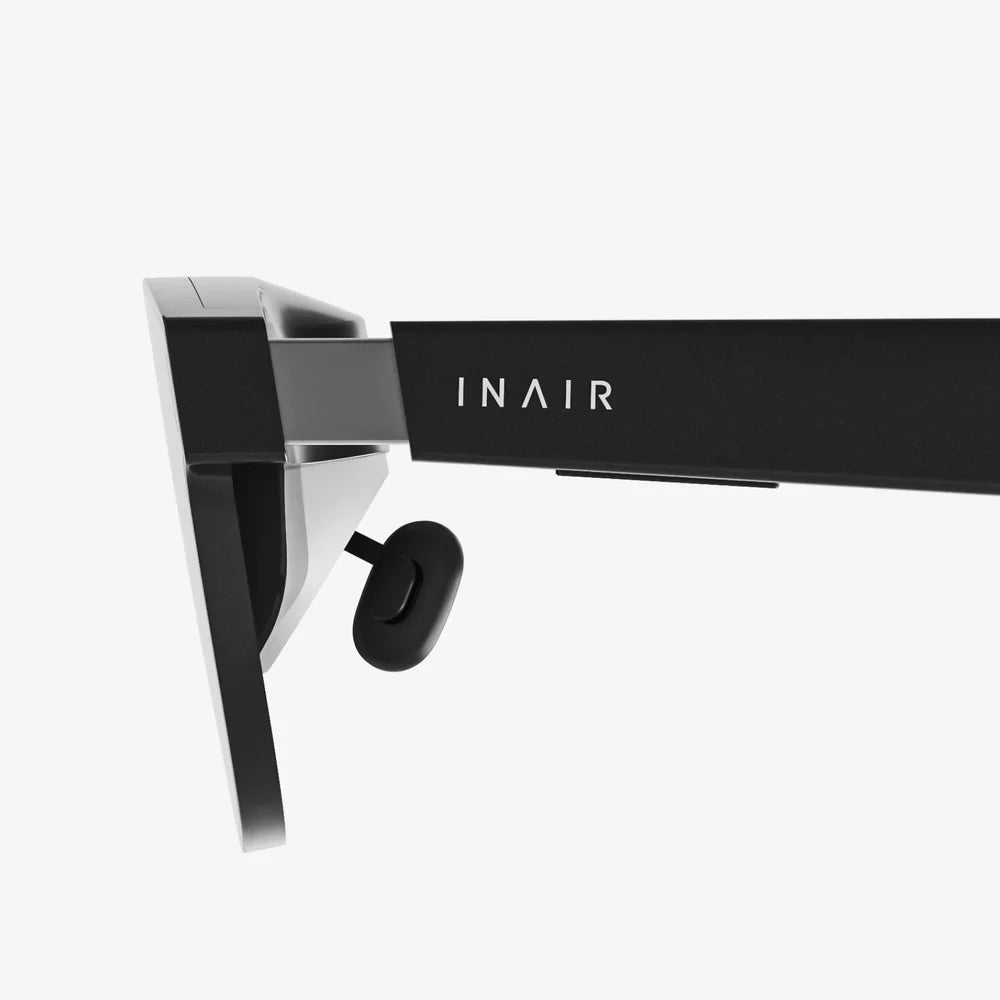
The digital horizon is shifting, and a new dawn is breaking. For years, the landscape of extended reality (XR) has been dominated by a few key players, often tethered to specific ecosystems with high barriers to entry. But a seismic change is underway. The arrival of the first true Android XR headset isn't just another product launch; it's the opening of a floodgate. It represents the moment the immense, innovative, and ubiquitous power of the Android platform collides with the boundless potential of immersive computing. This isn't just a new device; it's the seed from which a thousand new realities might grow, promising to bring spatial computing to the masses in a way we've never seen before.
The Significance of an Android Foundation
To understand the profound impact of this development, one must first appreciate the power of the platform it's built upon. Android is more than an operating system; it's the most widespread computing platform on the planet. Its open-source nature has fueled a global ecosystem of device manufacturers, developers, and users, driving innovation and affordability at a scale unmatched in the tech world.
An Android XR headset inherits this legacy. It means the device can leverage the colossal existing infrastructure of Android development tools, familiar frameworks, and a vast community of developers who already know how to build for the platform. This dramatically lowers the barrier for creating XR experiences, inviting a wave of innovation that closed, proprietary systems simply cannot match. It's the difference between building a town and opening up a continent for settlement.
Democratizing Access to XR
One of the most immediate and powerful effects of an Android-based approach is the potential for democratization. High-end XR headsets have often been premium products, with costs placing them out of reach for the average consumer, educator, or small business. The Android model, renowned for fostering competitive hardware at various price points, promises to change this.
We can anticipate a future with a spectrum of Android XR devices, from affordable entry-level models focused on mobile-powered VR and basic AR to high-performance standalone headsets rivaling the best in the market. This accessibility is the key to moving XR from a niche enthusiast technology into the mainstream. Imagine students on a field trip to ancient Rome using budget-friendly headsets, or warehouse operators equipped with cost-effective AR glasses for inventory management—this is the future an Android XR ecosystem can unlock.
The Power of a Truly Open Ecosystem
Proprietary ecosystems often create walled gardens. While these can offer curated, high-quality experiences, they inherently limit choice and control. An open Android platform for XR shatters these walls. It promises user freedom in choosing where to get apps, how to customize their environment, and which services to integrate.
This openness extends to developers. Instead of being forced to develop for a single storefront or adhere to strict, proprietary guidelines, developers can distribute their applications through multiple channels. They can experiment more freely, iterate more quickly, and connect directly with their audience. This open model has historically fueled incredible innovation on smartphones, and there's every reason to believe it will do the same for immersive computing, leading to more diverse, creative, and unexpected applications than we can currently imagine.
Seamless Integration and Familiarity
For billions of users, Android is a familiar language. The interface, the settings, the notifications, and the core philosophy of the OS are already deeply understood. An Android XR headset doesn't force users to learn a completely new digital dialect. This drastically reduces the learning curve and the feeling of intimidation that can come with new technology.
Furthermore, the potential for seamless integration with the Android devices users already own is a game-changer. Imagine a headset that automatically pairs with your smartphone, syncing your messages, photos, and apps instantly. You could receive a notification in your headset and dismiss it with a glance, or start watching a video on your phone and effortlessly continue it in your immersive environment. This level of ecosystem synergy, a hallmark of the Android experience, creates a cohesive and intuitive user journey that is incredibly powerful.
Challenges and Considerations on the Road Ahead
The path forward is not without its challenges. The very openness that is Android's greatest strength can also lead to fragmentation—a diverse array of devices with different performance levels, sensor suites, and capabilities. Developers will need to navigate this heterogeneity, potentially designing experiences that can scale across a wide spectrum of hardware.
Additionally, creating a cohesive and high-quality user experience across multiple manufacturers will require strong guidance and robust base requirements from the platform holder. Battery life, thermal management, and ergonomics remain persistent engineering challenges in all XR hardware, and the Android ecosystem will need to address these with innovative solutions. Privacy and security in an always-on, camera-and-sensor-filled environment are also paramount concerns that must be baked into the foundation of the platform, not added as an afterthought.
The Developer Gold Rush
For the developer community, the launch of the first Android XR headset is a starting pistol. It signals the beginning of a new gold rush in software development. The tools are familiar, the potential audience is massive, and the canvas is entirely new. We are likely to see an explosion of applications that move beyond gaming and entertainment.
Developers will rethink productivity, creating virtual workspaces with multiple large screens. They will revolutionize social connection, building shared experiences that feel more present and authentic. They will transform education, enabling hands-on learning with 3D models and historical recreations. The flexibility of Android will allow developers to experiment with new interaction models, monetization strategies, and service integrations, ultimately driving the entire industry forward at an accelerated pace.
Redefining the Future of Digital Interaction
This moment is bigger than a single headset. It's about the inflection point for a technology poised to become as fundamental as the smartphone. By building XR on the back of Android, the industry is betting on a future where immersive computing is open, accessible, and integrated into the fabric of daily digital life.
It challenges the notion of XR as a isolated, specialized tool and reframes it as a natural extension of the connected world we already live in. It suggests a future where we don't "go into" VR or AR, but rather blend digital information and experiences seamlessly with our physical reality as needed. The Android XR headset is the first concrete step towards a world where spatial computing is for everyone, not just for the few.
The door to the metaverse, or whatever the next iteration of the internet will be called, has been cracked open by expensive, proprietary hardware. The first Android XR headset is what kicks it off its hinges. It invites the entire world—developers, creators, businesses, and users—to step through and start building the future, together. This isn't the end of the XR journey; it's the explosive, chaotic, and incredibly exciting beginning of its true story. The race to define our digital reality is now wide open, and the ultimate winner will be anyone ready to explore.
Share:
Wearables for Elderly: A Comprehensive Guide to Safety, Independence, and Peace of Mind
Advanced XR Headset: Redefining Reality and the Future of Human Connection