


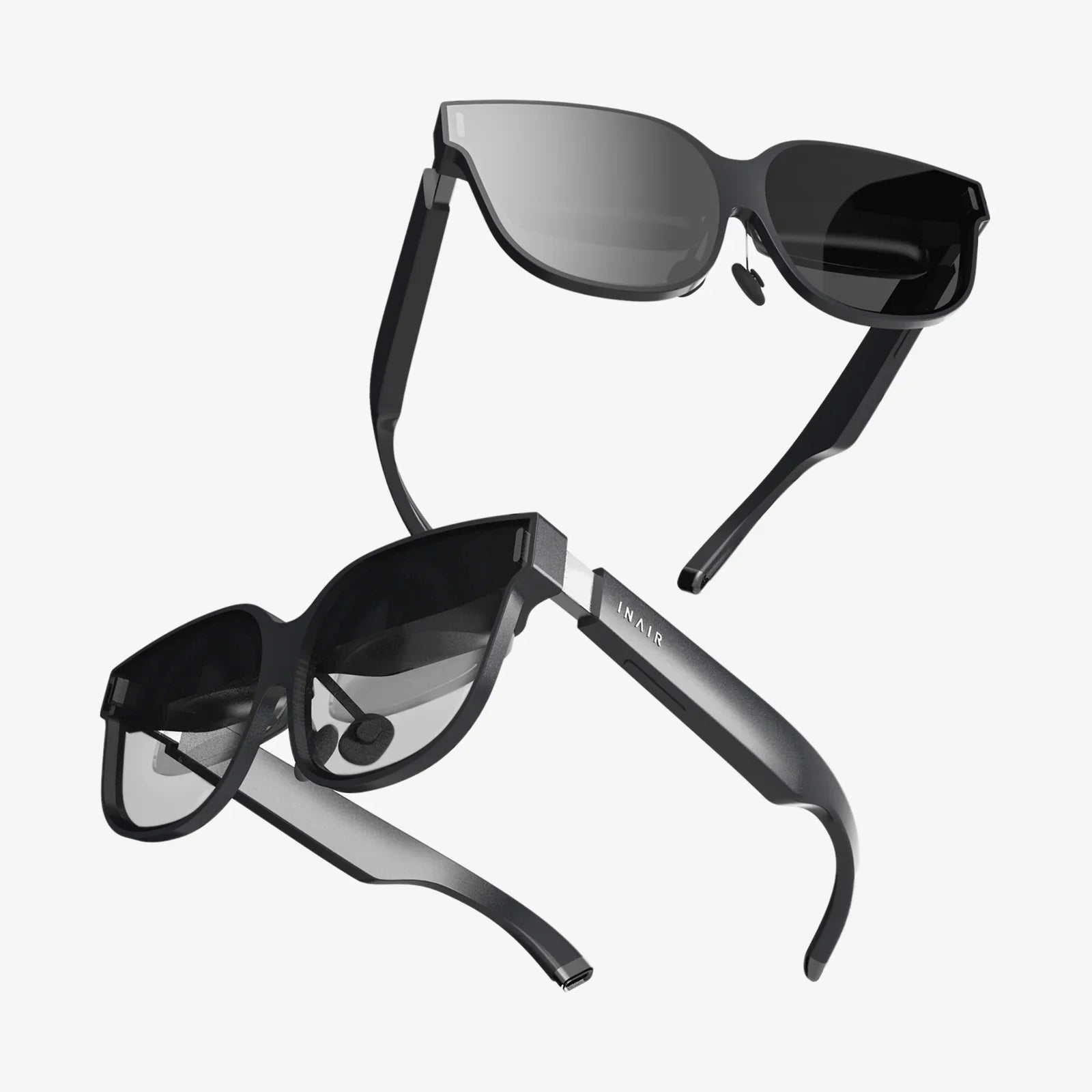
The world of Extended Reality (XR) is no longer a distant sci-fi fantasy; it’s a burgeoning reality knocking on our doors, promising to reshape how we work, play, and connect. Yet, for many, the most immediate and tangible barrier to stepping into this blended world of digital and physical isn’t the technology itself, but the number on the price tag. The cost of XR glasses is a complex equation, a delicate dance between bleeding-edge innovation, manufacturing prowess, and market ambition. Understanding this equation is the key to deciphering not just what you pay today, but what the future of this transformative technology holds for everyone.
Deconstructing the Dollar: The Core Components That Dictate Cost
To understand the price of XR glasses, one must first look under the hood. These are not simple devices; they are sophisticated mini-computers worn on your face, crammed with advanced technology that demands a premium.
Optical Engines: The Window to Another World
The heart and soul of any XR experience is the optical system—the technology that paints digital images onto your field of view. This is arguably the single biggest cost driver and the area of most intense research and development.
- Pancake Lenses: A newer technology that uses a complex series of reflections to fold the optical path. This allows for a much slimmer and lighter device form factor, a critical factor for comfort. However, these lenses are incredibly difficult to manufacture with precision, requiring multiple, perfectly aligned lens elements and polarization films, which drives up cost significantly.
- Waveguides: Often seen in more advanced AR-focused glasses, waveguides are thin, transparent pieces of glass or plastic that use diffraction gratings to project light directly into the eye. Manufacturing these with nanometer precision is a fiendishly complex and expensive process, akin to creating advanced semiconductors. Yield rates (the number of perfect units per batch) are a major challenge, making high-quality waveguides a premium feature.
- Micro-OLED Displays: For a truly immersive visual experience, XR glasses require displays with extremely high pixel density (pixels per inch) to avoid the "screen door effect." Micro-OLED screens are small, incredibly dense, and offer superb brightness and color. Fabricating these tiny, powerful displays is a costly endeavor, reflected directly in the final product's price.
Sensing and Tracking: Mapping the Real World
For XR glasses to interact intelligently with your environment, they need a sophisticated array of sensors. This suite of hardware is what separates simple video viewers from true spatial computers.
- Cameras: Multiple high-resolution cameras are used for inside-out tracking (understanding the device's position in space), hand-tracking, and, in see-through AR models, for understanding the environment. These are not simple webcam sensors; they are often specialized for depth sensing and work in tandem with each other.
- LiDAR and Depth Sensors: Light Detection and Ranging (LiDAR) scanners fire out lasers to measure the exact distance to surrounding objects, creating a precise 3D map of the room. This technology, borrowed from self-driving cars, is expensive but crucial for convincing occlusion (digital objects hiding behind real ones) and persistent AR experiences.
- Inertial Measurement Units (IMUs): These chips, containing gyroscopes, accelerometers, and magnetometers, track the precise movement and orientation of your head. While relatively inexpensive on their own, their data must be perfectly fused with the camera and LiDAR data through complex algorithms, which is a significant R&D cost.
Processing Power: The Brain of the Operation
All the data from these sensors must be processed in real-time with near-zero latency to avoid user discomfort or nausea. There are two primary approaches, each with cost implications:
- Standalone Processing: The glasses contain their own powerful, miniaturized system-on-a-chip (SoC). This integrates the CPU, GPU, and dedicated AI processors for tasks like computer vision. Designing these chips for the extreme thermal and size constraints of a wearable is a monumental engineering challenge. The cost of developing and fabricating these custom processors is immense and is a key reason high-end standalone devices carry a premium price.
- Tethered/Phone-Based Processing: Some glasses offload the heavy computational work to an external device—be it a powerful smartphone or a dedicated desktop computer. This allows the glasses themselves to be lighter, less expensive, and have better battery life. The trade-off is being tethered to another device, which impacts mobility and convenience. The price of the glasses is lower, but the total cost of ownership includes the powerful host device.
The Three Tiers of the Market: Finding Your Price Point
The XR glasses market is not monolithic. It has rapidly stratified into distinct tiers, each serving different needs and budgets.
The Premium Tier (The Spatial Computers)
This tier represents the absolute cutting edge. Devices here are typically all-in-one (standalone), packed with every available sensor, the highest-resolution displays, and the most advanced optics. They are aimed primarily at enterprise users, developers, and hardcore enthusiasts.
Price Range: Typically from well over a thousand dollars, often approaching or even exceeding two to three thousand.
Value Proposition: You are paying for an uncompromised, high-fidelity experience. This includes the best pass-through video quality, the most stable and precise environment tracking, and the ability to run demanding professional applications. The high price covers not only the expensive components but also the massive R&D investment required to create such a complex system and the specialized software that powers it. For a business that can save time and money through virtual prototyping or remote assistance, this investment can have a clear and rapid return.
The Mid-Range Tier (The Balanced Performers)
This tier is the fiercely competitive battleground for the consumer market. Devices here make strategic compromises to hit a more accessible price point while still delivering a compelling XR experience. They might use a slightly older generation of optics, a less extensive sensor array, or employ a tethered design to leverage the power of a PC or console.
Price Range: Roughly from five hundred to a thousand dollars.
Value Proposition: This tier offers a fantastic gateway into high-quality VR gaming, immersive media consumption, and social experiences. The focus is on delivering strong core functionality—good display quality, comfortable tracking, and a solid software library—without the extreme cost of the professional-grade features found in the premium tier. This is the sweet spot for consumers who want a great experience without a professional budget.
The Budget/Entry-Level Tier (The Gateway Devices)
This tier is dominated by devices that rely on a smartphone for both processing and display (often called "cardboard-plus" models) or very simple standalone viewers focused on a single use case, like media consumption.
Price Range: From under one hundred to a few hundred dollars.
Value Proposition: Pure accessibility. These devices allow anyone with a modern smartphone or a small amount of cash to dip their toes into the world of XR. The experience is fundamentally limited—lower field of view, 3-DoF (rotation only) instead of 6-DoF (full positional tracking), and basic controllers. However, they serve the vital purpose of introducing the concept to a mass audience and building a market for the future.
Beyond the Hardware: The Hidden Factors in the XR Glasses Price
The bill of materials for the components is only part of the story. Several other crucial factors influence the final price.
- Research & Development (R&D): The years of research, software development, and iterative prototyping that go into a modern XR headset represent a colossal investment. Companies need to recoup these sunk costs, which are amortized into the price of each unit sold, especially in the early generations of a product.
- Manufacturing at Scale: Advanced components like pancake lenses and waveguides are notoriously difficult to manufacture at high yields. Low yield rates mean a higher percentage of units are discarded, increasing the cost of the good ones. As manufacturing processes improve and scale up, these costs will naturally fall. Early adopters effectively pay a premium for being on the technological frontier.
- Software and Ecosystem: You're not just buying hardware; you're buying into a platform. The value of an XR device is inextricably linked to its operating system, app store, and available content. A robust ecosystem with killer apps justifies a higher price point. Some companies may even sell hardware at a loss (or near-loss) to build a user base and profit from software and content sales later, a classic strategy in the gaming console market.
- Brand and Marketing: Established technology brands can command a price premium based on their reputation for quality, design, and customer support. Furthermore, the significant cost of marketing a new and complex product category to a skeptical public is also factored into the final price.
The Crystal Ball: Where Will XR Glasses Prices Go From Here?
The historical trend in technology is one of rapid performance improvement and simultaneous cost reduction. XR will be no different, but the path is worth examining.
- The Short Term (Next 1-3 Years): Expect the market tiers to solidify further. The premium tier will continue to push the envelope with even more advanced features (e.g., eye-tracking, varifocal displays, holographic optics), likely maintaining its high price point. The most dramatic competition and price erosion will happen in the mid-range, where we will see yesterday's premium features trickle down into more affordable packages. We may also see the rise of more specialized devices at different price points, such as glasses dedicated solely to productivity or media.
- The Medium Term (3-7 Years): Manufacturing breakthroughs will be the key story. As processes for making waveguides and advanced lenses become more refined and yields improve, the cost of these core components will fall significantly. We will approach the fabled "visualy" of a sleek, ordinary-looking pair of glasses that offer powerful AR capabilities. This is when prices for capable devices could fall into the range of high-end smartphones.
- The Long Term (7+ Years): The goal is ubiquity. At this stage, the technology will have matured, and manufacturing will be optimized for massive scale. XR glasses could become a standard computing platform, much like the smartphone is today. In this scenario, we could see a wide range of price points, from very basic, subsidized models to high-end luxury editions, mirroring the current smartphone market. The concept of "XR glasses price" may become as varied and mundane as "laptop price" is today.
Ultimately, the question of price is a question of value. While the initial investment for a high-end pair of XR glasses can be startling, it's a payment for a passport to a new frontier of human-computer interaction. The technology condensed into these devices represents one of the most ambitious engineering challenges of our time. As the industry marches forward, driven by fierce competition and technological breakthroughs, the barriers will continue to crumble. The high cost of today is merely the entrance fee for the early adopters paving the way for a future where immersive computing is seamless, affordable, and accessible to all. The journey from a luxury niche to a mainstream essential is underway, and every passing year brings that future into sharper, and more affordable, focus.
Share:
AR VR Market Growth 2025 Statistics: A Deep Dive into the Immersive Future
Augmented Reality Innovations Are Reshaping Our World Beyond the Hype