


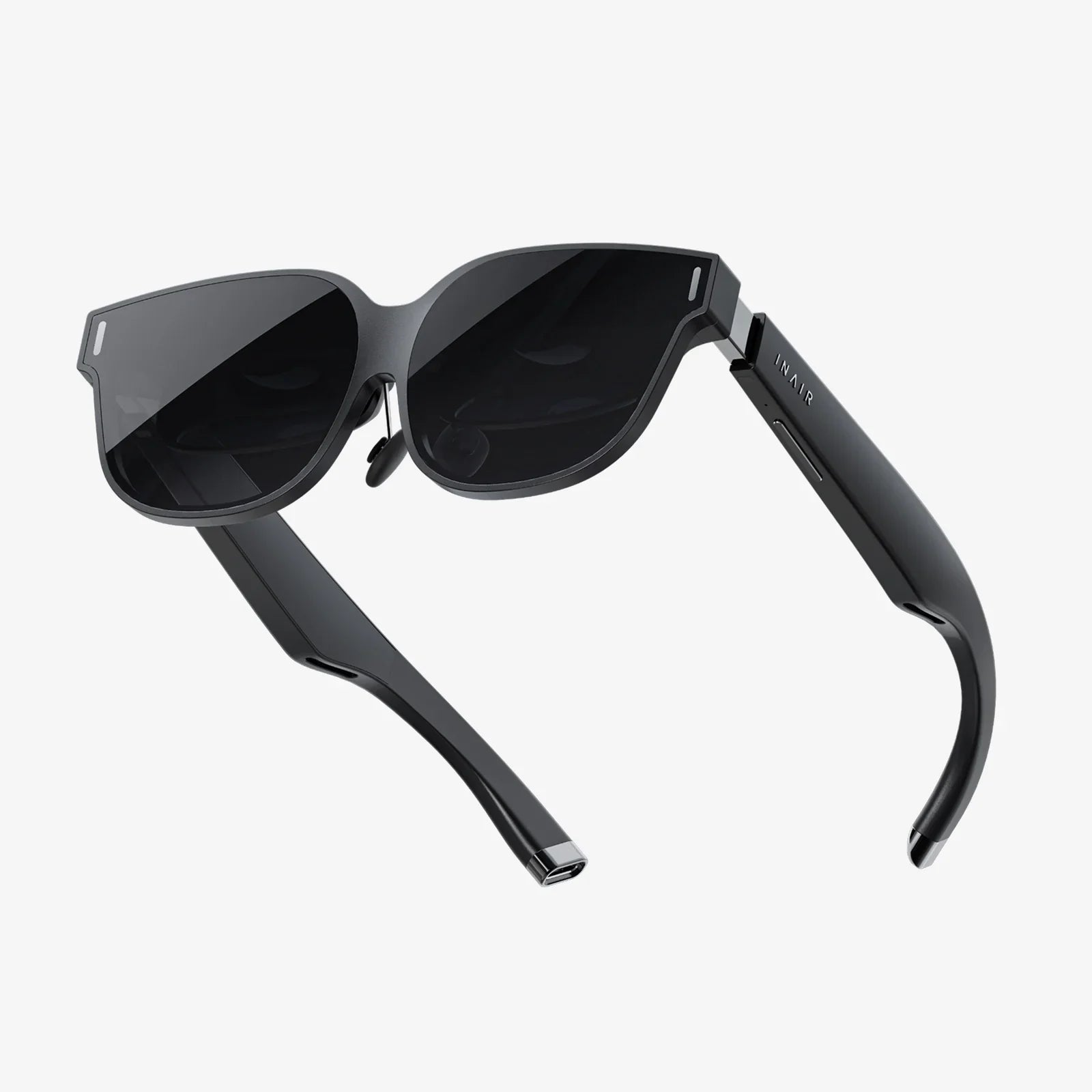
- by wangfred
XR Is First Android XR Headset: A New Challenger Emerges
- by wangfred
The tech world is buzzing, and for good reason. A new frontier in immersive computing has just been breached, not by the usual titans of Silicon Valley, but by a platform that powers billions of devices worldwide. The arrival of the first dedicated Android XR headset isn't just another product launch; it's a seismic event that promises to reshape the very fabric of the extended reality market, challenging monopolies, empowering developers, and opening the door to a more accessible and diverse digital future. This is the moment the walled garden gets a new gate, and everyone is invited.
For years, the high-end extended reality space has been dominated by a closed ecosystem, a walled garden where hardware, software, and services are tightly controlled by a single entity. This approach has yielded impressive, polished experiences but at a cost: limited hardware choice, restrictive development environments, and premium price points that have kept the technology out of reach for many. The declaration that XR is first Android XR headset shatters this paradigm. It represents the injection of Android's core principles—openness, flexibility, and scalability—into the immersive realm.
Android's success in the smartphone market is a testament to its model. By providing a robust, open-source operating system, it enabled a thousand flowers to bloom. Manufacturers could adapt it to countless form factors and price points, while developers could reach a massive, unified audience with their applications. This headset applies that same philosophy to XR. It's not merely a device; it's the founding member of a potential new ecosystem. It signals to other manufacturers that a viable, open alternative now exists, potentially spurring a wave of innovation and competition that will drive down costs and increase choice for consumers.
Perhaps the most profound impact of this development lies in the hands of developers. Creating for closed XR platforms often requires learning proprietary languages and adhering to strict, sometimes opaque, store policies. The barrier to entry is high. An Android-based headset changes the game entirely.
Millions of Android developers worldwide already possess the foundational skills in Java and Kotlin to begin building for this new platform. The familiar Android development environment, with its powerful tools and extensive documentation, suddenly becomes a portal to the immersive web. This dramatically lowers the barrier to entry, inviting a tsunami of new creativity and innovation. Indie developers, startups, and students can now experiment with XR without making a massive investment in learning new proprietary systems. We can expect a more diverse and experimental app landscape, with applications that cater to niche interests, local markets, and novel use cases that large corporations might overlook.
While specific implementations will vary, the core of this headset's potential is its use of the Android Open Source Project (AOSP) as a foundation for its operating system. This means it leverages the Linux kernel and the proven Android runtime environment, optimized for the unique demands of spatial computing.
This technical foundation, familiar to countless engineers, is what makes the platform so powerful and accessible. It’s a known quantity, built upon a decade and a half of refinement in the crucible of the mobile market.
For the end-user, the benefits of an Android XR headset are immediately apparent. The interface, while designed for 3D interaction, will feel intuitively familiar to anyone who has used an Android smartphone or tablet. Concepts like a notification shade, settings menu, and app drawer can be elegantly translated into a spatial context, reducing the learning curve associated with adopting new technology.
Furthermore, integration with the existing Android ecosystem is a huge win. Users could potentially access their existing library of apps in virtual windows, sync photos and contacts seamlessly, and use services they already know and trust. This level of integration creates a cohesive digital experience, rather than forcing the user to treat their XR headset as an isolated island of technology. It becomes a natural extension of their digital life, not a separate entity.
The introduction of a viable Android competitor will send ripples throughout the entire XR industry. For the dominant player, it represents the first true competition in the consumer OS space for headsets. This will force accelerated innovation, more competitive pricing, and perhaps a reconsideration of some closed-garden policies to retain developer and consumer interest.
For other hardware manufacturers, it's a green light. They now have a proven, capable operating system to build upon, freeing them from the immense R&D cost of developing their own OS or being locked into a licensing agreement with a competitor. We can anticipate a future with a diverse range of Android XR headsets, from affordable, media-consumption focused devices to high-end, enterprise-grade helmets, all sharing a common app ecosystem. This is the true power of the Android model: choice.
Of course, the path forward is not without its obstacles. The open nature of Android can lead to fragmentation, where different devices run different versions of the OS or have varying levels of capability, creating a inconsistent experience for users and a testing nightmare for developers. Google and its partners will need to establish a strong certification program and core compatibility standards to avoid this pitfall.
Additionally, curating a high-quality application store will be paramount. The openness that allows for incredible innovation can also allow for low-quality, copycat, or even malicious apps. A rigorous review process and robust security model will be essential to build user trust. Finally, while the hardware is a marvel, achieving performance and battery life parity with bespoke, vertically integrated solutions will be an ongoing challenge for manufacturers using this platform.
The long-term vision for an Android XR ecosystem is breathtaking. It paves the way for a truly open metaverse—a interconnected set of digital spaces not owned by any single corporation, built on open standards and accessible from a wide range of devices. It empowers developers to build the foundational tools and experiences for this future without needing permission from a central gatekeeper.
In enterprise, it could standardize training, design, and remote assistance applications across manufacturers. In education, it could make immersive learning tools affordable for schools around the world. In personal computing, it could finally make the dream of a spatially arranged digital workspace a ubiquitous reality. This headset is the seed from which this vast, interconnected forest of experiences can grow.
Remember the feeling when smartphones shifted from expensive curiosities to essential, ubiquitous tools in every pocket? That transformation was catalyzed by the openness and choice that Android provided. The announcement that XR is first Android XR headset is not just about a single device; it's the starting gun for that same revolution in spatial computing. The gates are open, the platform is proven, and the world's developers are now invited to build the future. The immersive world is about to get a lot bigger, a lot more creative, and infinitely more interesting.
Share:
VR Headset Market Size: A Deep Dive into the Virtual Revolution
VR Headset Market Size: A Deep Dive into the Virtual Revolution