


- by wangfred
XR Spatial Computing News Today: The Invisible Revolution Reshaping Our Reality
- by wangfred
The digital and physical worlds are colliding, and the ripple effects are creating waves of innovation that promise to fundamentally alter how we work, play, and connect. If you think the current state of technology is impressive, you haven't seen anything yet. The frontier of this convergence is spatial computing, a field moving so rapidly that today's news is the foundation for tomorrow's reality. This isn't just about putting on a headset; it's about weaving computing into the very fabric of our existence, creating a world where information is not on a screen but in the space around us, contextually aware and interactively intelligent. The pace of change is breathtaking, and staying informed is no longer a luxury—it's a necessity for anyone looking to understand the future.
Before diving into the latest developments, it's crucial to define our terms. Spatial computing is the next evolutionary step in human-computer interaction. It's an umbrella term that encompasses virtual reality (VR), augmented reality (AR), and mixed reality (MR), but it describes something broader: a framework that allows a computer to understand and interact with the three-dimensional space around it.
At its heart, spatial computing involves a symphony of technologies:
This technological fusion creates a seamless blend of the digital and the physical. Instead of navigating a 2D desktop, you interact with data and applications that exist in your living room, your office, or the world at large. This shift from a screen-bound paradigm to a spatially-aware one is as significant as the move from command-line interfaces to the graphical user interface (GUI).
The most significant XR spatial computing news today revolves around its rapid integration into the enterprise sector. While consumer applications often grab headlines, the real transformation is happening behind corporate doors. Companies are leveraging spatial computing to solve real-world problems, boost efficiency, and reduce costs in tangible ways.
In manufacturing, technicians are using AR-enabled smart glasses for complex assembly and maintenance. Digital schematics are overlaid directly onto physical machinery, guiding their every move and highlighting potential issues. This has led to a dramatic reduction in errors and a significant increase in first-time fix rates. Remote experts can see what an on-site technician sees and provide visual annotations directly into their field of view, collapsing geographical barriers and saving thousands in travel costs and downtime.
The design and architecture industries are being revolutionized. Instead of viewing blueprints on a monitor, architects and clients can now walk through a full-scale, photorealistic 3D model of a building before a single brick is laid. They can change materials, move walls, and experiment with lighting in real-time, making collaborative design an immersive, intuitive experience. This not only streamlines the approval process but also prevents costly changes during construction.
Healthcare is another area witnessing profound change. Surgeons are using AR for pre-operative planning, overlaying CT scans and MRI data onto a patient's body to visualize anatomy with incredible precision. Medical students are learning anatomy by dissecting virtual cadavers and practicing complex procedures in a risk-free environment. These applications are moving from experimental pilots to standard practice, signaling a mature and reliable technology stack.
The engines driving this spatial revolution are the devices themselves. The latest generation of hardware showcases a relentless focus on miniaturization, performance, and user comfort. The bulky, tethered headsets of just a few years ago are giving way to sleek, standalone devices with all-day battery life and processing power that rivals high-end laptops.
A key trend is the move towards video pass-through MR. Instead of using transparent lenses for AR, these devices use high-resolution cameras to capture the real world and display it, along with digital content, on internal screens. This approach allows for incredibly convincing blends of real and virtual, with the ability to occlude digital objects behind physical ones, creating a truly believable mixed reality. Advances in sensor technology, including LiDAR and depth sensors, have made this possible, providing the precise environmental data needed for stable anchoring of digital content.
Another critical development is in display technology. New micro-OLED and pancake lenses are creating displays with incredibly high resolution, wide fields of view, and reduced distortion. The goal is the "visual Turing test"—a digital overlay that is indistinguishable from reality. While we are not quite there yet, the gap is closing faster than most anticipated. Furthermore, eye-tracking and facial expression tracking are becoming standard features, enabling more natural avatars and intuitive interface control through gaze and expression.
Hardware is nothing without software, and the development of spatial operating systems and applications is where the magic truly happens. The dominant paradigm emerging is that of the spatial OS—a foundational layer that manages digital content within physical space, much like a traditional OS manages windows on a desktop.
This spatial OS allows multiple applications to coexist in the same environment. You could have a virtual television on your wall, a 3D model of a project on your desk, and a web browser floating to your side, all running simultaneously and persistently. Your digital space becomes an extension of your physical office, remembering where you placed everything. This persistent world anchor system is a cornerstone of current development, ensuring that your virtual monitor stays on your real desk even when you leave the room and return.
Development platforms are also maturing rapidly. The barrier to entry for creating spatial experiences is lowering, with more accessible tools that allow developers to build once and deploy across multiple device ecosystems. This is crucial for fostering a rich and diverse application ecosystem. The emergence of web-based standards for XR means that spatial experiences could soon be accessed directly through a browser, without the need for dedicated app downloads, opening the floodgates to widespread creator participation.
As with any transformative technology, spatial computing brings a host of challenges that dominate thoughtful discourse in the news today. The most pressing is privacy. Devices equipped with always-on cameras and microphones, mapping the intimate details of our homes and workplaces, represent a significant data privacy challenge. The industry is grappling with questions of data ownership, consent, and security. How is spatial data stored? Who has access to it? Could a detailed 3D map of your home be exploited? Developing a robust ethical framework and transparent policies is not optional; it is essential for earning public trust.
Accessibility is another major hurdle. For the technology to become truly universal, it must be accessible to people with a wide range of physical abilities and economic means. This includes designing interfaces that can be navigated by voice, gesture, or alternative input methods for those who cannot use standard controllers. It also means driving down costs to ensure this is not a technology solely for the affluent. The industry is aware of these issues, with significant research being dedicated to inclusive design principles from the ground up.
Finally, there is the social contract. How will these technologies change human behavior and social interaction? Will we become more isolated in personalized digital bubbles, or will it enable new, richer forms of connection? Establishing norms for acceptable use in public spaces and understanding the long-term psychological effects are areas of active study and debate. The path forward must be navigated with careful consideration for its societal impact.
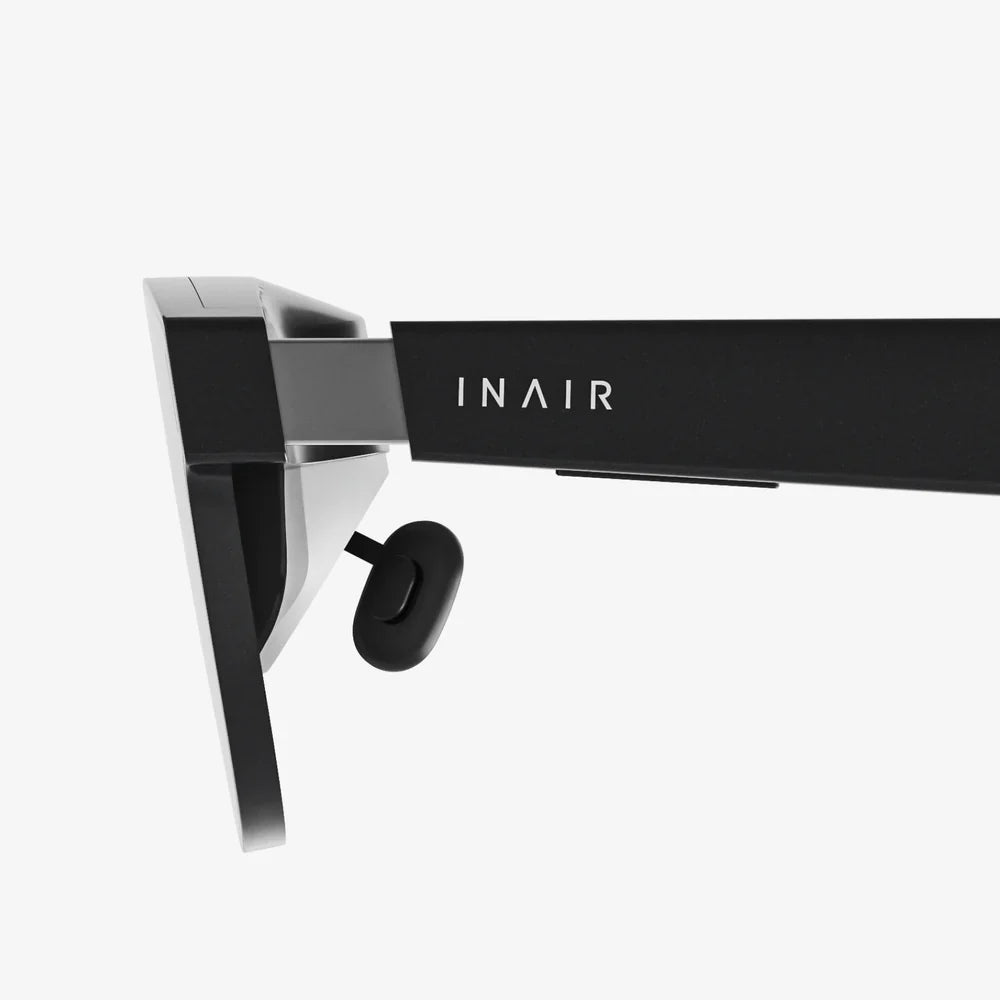
The trajectory of XR spatial computing points toward a future where the technology becomes increasingly invisible. The end goal is not a headset, but something akin to a pair of ordinary glasses—lightweight, socially acceptable, and always on. This will mark the true arrival of ambient computing, where powerful AI assistants can provide contextually relevant information seamlessly throughout our day, from navigating a new city to translating a foreign language on a menu in real-time.
We are also moving towards a world of interconnected spatial experiences, often referred to as the metaverse. This won't be a single virtual world, but a network of persistent 3D spaces—both real and virtual—that are connected and interoperable. You might attend a virtual business meeting in a photorealistic boardroom, then jump into a stylized game world with friends, all without removing your device. Your digital identity and assets will travel with you, creating a continuous sense of presence and ownership.
The implications for fields like education, remote work, and telepresence are staggering. The way we conceptualize distance and collaboration will be fundamentally altered. The lines between being there and being here will blur, offering profound new ways to connect, create, and explore.
The revolution won't be televised; it will be mapped, annotated, and seamlessly integrated into the world you see. The latest headlines are merely a preview, a glimpse into a future being built at breakneck speed by developers, designers, and engineers around the globe. This isn't a distant sci-fi fantasy; the core technologies are here, and they are maturing faster than anyone predicted. The question is no longer if spatial computing will redefine our relationship with technology, but how quickly we will adapt to a world where the digital and physical are one. The next time you look at a blank wall, just imagine the possibilities.