


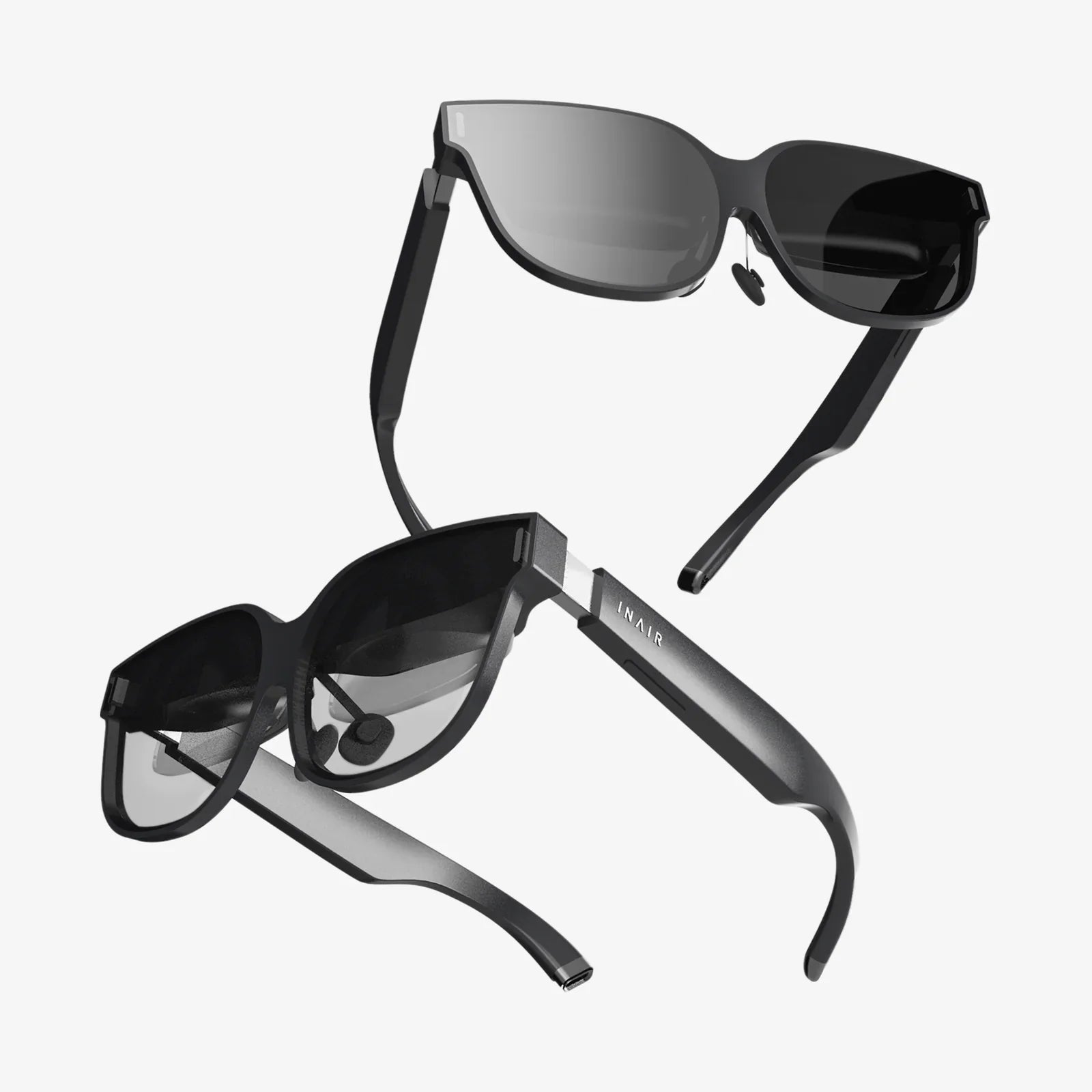
- by wangfred
XR VR The Blurred Lines Between Our World and the Digital Frontier
- by wangfred
Imagine slipping on a headset and instantly teleporting to the peak of Mount Everest, the surface of Mars, or the operating room of a world-class surgeon. This is no longer the stuff of science fiction; it is the palpable, pulse-quickening promise of XR VR technologies that are dissolving the barriers between the physical and the digital, forever altering our perception of reality itself.
To understand the revolution, we must first define its components. The term XR, or Extended Reality, serves as an umbrella encompassing all combined real and virtual environments, as well as human-machine interactions generated by computer technology and wearables. It is the continuum that connects our physical world with entirely digital creations.
This spectrum is broadly divided into three key domains:
While XR VR are often mentioned together, it's crucial to see VR as a powerful subset of the broader XR landscape, representing the deepest level of digital immersion currently possible.
The magic of immersion doesn't happen by accident. It is powered by a sophisticated stack of technologies working in perfect harmony.
At the forefront is the headset itself. These devices are engineering marvels, packing high-resolution displays mere centimeters from the user's eyes. To avoid simulation sickness and create a believable experience, these displays must achieve high refresh rates (90Hz and above) and incredibly low persistence, meaning pixels illuminate for a fraction of a millisecond to prevent motion blur.
Equally critical is the tracking technology. Inside-out tracking uses integrated cameras and sensors on the headset to map the room and track its own position within it, freeing users from external sensors. This is complemented by precise controller tracking, often using infrared LEDs and inertial measurement units (IMUs) to translate your real-world hand movements into the virtual space with stunning accuracy.
Hardware is nothing without software. Creating immersive XR VR experiences requires powerful game engines, which provide the tools to build 3D worlds, program physics, and render stunning visuals in real-time. Spatial audio is another cornerstone, simulating how sound behaves in a 3D space—echoing in a cavern or muffling when you turn away—to deepen the sense of presence.
Furthermore, the development of robust software development kits (SDKs) has democratized creation, allowing developers and artists to build for these platforms with greater ease and efficiency.
While entertainment was the initial driver, the true potential of XR VR is being unlocked in enterprise and professional applications, revolutionizing workflows and creating new paradigms for work and learning.
XR VR creates the ultimate safe-to-fail environment. Medical students can practice complex surgical procedures on virtual patients, making mistakes without consequence. Aircraft mechanics can learn to repair a jet engine using a virtual twin, with digital instructions overlaid on the components. Soldiers can train for high-pressure combat scenarios in hyper-realistic simulations. This experiential learning dramatically improves knowledge retention and skill acquisition compared to traditional methods.
From automotive to architecture, designers are using VR to step inside their creations long before the first physical prototype is built. They can assess ergonomics, visualize spatial relationships, and identify design flaws at a fraction of the cost and time. Collaborative MR spaces allow global teams to interact with a 3D model simultaneously, making decisions and iterations in real-time, regardless of their physical location.
The applications in healthcare are profound. Surgeons use AR to overlay CT scans onto a patient's body during operations, providing an X-ray vision-like view. VR is proving to be a powerful tool for pain management, distracting patients during painful procedures. It's also highly effective in exposure therapy, helping patients with phobias or PTSD confront and manage their triggers in a controlled, safe virtual environment.
XR is erasing the concept of distance. Instead of a flat video call, colleagues can meet in a virtual boardroom or around a holographic model, interacting with data and each other as if they were physically present. In retail, customers can use AR to see how a piece of furniture would look in their living room or how a pair of glasses would fit their face before making a purchase, reducing returns and increasing consumer confidence.
Despite its immense potential, the path to mainstream adoption of XR VR is not without significant hurdles.
Looking ahead, the trajectory of XR VR points toward a future where the lines are not just blurred but are functionally irrelevant. We are moving toward sleek, socially acceptable form factors—think advanced glasses rather than bulky headsets. Haptic feedback technology will evolve to let us feel the texture of virtual objects. Brain-computer interfaces may eventually allow us to navigate virtual spaces with our thoughts.
The ultimate goal is not to escape reality, but to augment and enhance it. XR VR will become an invisible layer integrated into our daily lives, providing contextual information, enabling instant telepresence, and unlocking new forms of creativity and expression. It will change how we work, learn, socialize, and understand our own human potential.
The next time you look at the world around you, remember: it's about to get a whole lot bigger. The door to infinite digital worlds is creaking open, and stepping through is no longer a fantasy—it's the next chapter of human-computer interaction, waiting just on the other side of your eyelids.
Share:
VR Headset Market Size: A Deep Dive into the Virtual Revolution
VR Headset News 2025: The Year Reality Itself Got an Upgrade