


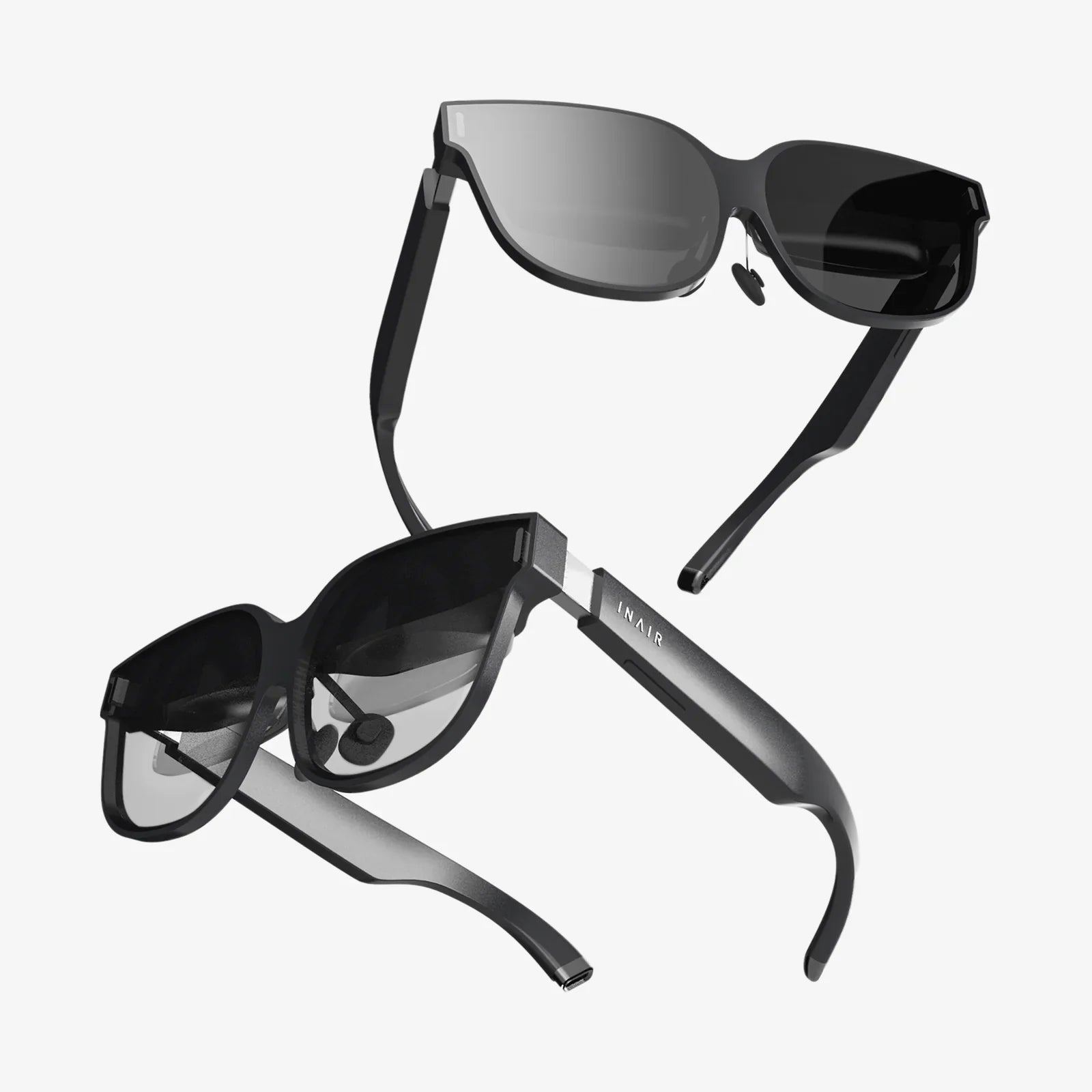
Imagine waking up in a world where every screen you see not only shows information but understands what it is looking at, reacts to your gestures, and anticipates your needs. That is the promise of the modern visual smart device: not just a display, but an intelligent partner that sees, interprets, and responds. As these devices quietly move from novelty to necessity, understanding how they work and how they transform daily life can give you a serious advantage in the years ahead.
At its core, a visual smart device is any connected device that uses cameras or advanced visual sensors plus on‑board or cloud‑based intelligence to analyze what it sees and act on that information. These devices can recognize faces, read text, interpret gestures, understand environments, and adapt content in real time. They sit at the intersection of computer vision, artificial intelligence, and the Internet of Things, reshaping how humans interact with the digital world.
What Exactly Is a Visual Smart Device?
A visual smart device combines three essential capabilities: visual sensing, connectivity, and intelligent processing. Visual sensing typically involves one or more cameras, depth sensors, or infrared sensors that capture images or video streams. Connectivity allows the device to communicate with other devices, services, and the cloud. Intelligent processing, often powered by machine learning models, enables the device to interpret visual input and make decisions.
These devices are not limited to one form factor. They can be handheld, worn on the body, embedded in home appliances, mounted in vehicles, or integrated into industrial machinery. The defining feature is their ability to use visual data as a primary input for interaction and automation.
Key Technologies Behind Visual Smart Devices
Several foundational technologies enable a visual smart device to function effectively. Understanding these building blocks helps explain why these devices have advanced so rapidly in recent years.
Computer Vision and Image Recognition
Computer vision allows machines to interpret visual information. Common capabilities include:
- Object detection: Identifying and locating objects within an image or video frame.
- Image classification: Assigning labels such as “cat,” “car,” or “person” to an image.
- Semantic segmentation: Understanding which pixels belong to which object or region.
- Optical character recognition (OCR): Reading printed or handwritten text from images.
- Facial analysis: Recognizing faces, estimating age ranges, or detecting emotions.
These capabilities are powered by deep learning models trained on massive image and video datasets. As models improve and hardware accelerators become more efficient, visual smart devices can operate faster and more accurately, even on low‑power chips.
Edge AI and On‑Device Processing
Early generations of visual smart devices relied heavily on cloud processing, sending images and video to remote servers for analysis. Today, many devices use edge AI, running models directly on the device. This shift offers several benefits:
- Lower latency: Immediate responses without waiting for network round trips.
- Better privacy: Sensitive visual data can stay on the device instead of being uploaded.
- Reduced bandwidth: Less data needs to be transmitted over networks.
- Offline operation: Devices can still function when connectivity is limited or unavailable.
Specialized chips such as neural processing units and graphics processors are increasingly built into visual smart devices to handle these workloads efficiently.
Sensor Fusion and Environmental Awareness
A sophisticated visual smart device rarely relies solely on cameras. It combines visual data with information from other sensors, including:
- Motion sensors and accelerometers for gesture detection and stabilization.
- Depth sensors and lidar for 3D mapping and distance measurement.
- Microphones for voice interaction and context clues.
- Location sensors for geospatial awareness.
By fusing these inputs, the device can build a richer understanding of its environment, leading to more accurate recognition and more natural interaction.
Types of Visual Smart Devices You Encounter Every Day
Visual smart devices are already embedded in many aspects of daily life, often in ways that feel invisible until you look closely.
Home and Lifestyle Devices
In the home, visual smart devices appear as connected screens, security systems, and appliances that monitor surroundings and respond intelligently. Examples of capabilities include:
- Recognizing household members and adjusting lighting or content accordingly.
- Detecting motion at doors or windows and sending alerts with video clips.
- Monitoring pets or children, offering activity summaries or unusual behavior alerts.
- Reading labels, barcodes, or expiration dates to support inventory management.
These devices turn living spaces into responsive environments that adapt to occupants’ habits and preferences.
Wearable and Personal Devices
Wearable visual smart devices sit on the body or are carried everywhere, providing context‑aware assistance. Common functions include:
- Providing turn‑by‑turn visual navigation overlays.
- Translating text in real time through a camera view.
- Recognizing objects or scenes and offering contextual information.
- Assisting people with low vision by describing surroundings.
Because these devices move with the user, they are uniquely positioned to deliver personalized, situational information whenever it is needed.
Automotive and Mobility Devices
In vehicles, visual smart devices enhance safety, navigation, and comfort. They are used for:
- Driver monitoring, such as detecting distraction or drowsiness.
- Advanced driver assistance, including lane keeping and collision warnings.
- Parking assistance with visual guidance and obstacle detection.
- Surround‑view systems that stitch together multiple camera feeds.
As vehicles become more automated, visual smart devices will play an even larger role in perceiving the road and making split‑second decisions.
Industrial and Enterprise Devices
In professional settings, visual smart devices support inspection, monitoring, and collaboration. Typical use cases include:
- Quality control in manufacturing through automated visual inspection.
- Remote assistance where experts see what technicians see and guide them.
- Inventory tracking with camera‑based counting and identification.
- Safety monitoring to detect hazards or unsafe behavior.
These devices reduce human error, increase throughput, and make complex operations more manageable.
How Visual Smart Devices Are Changing Daily Life
The impact of visual smart devices is not limited to technology enthusiasts. They are reshaping experiences for ordinary people across key domains of life.
Smarter Homes and More Intuitive Living
Visual smart devices make homes more responsive and personalized. They can identify who is present, learn routines, and adjust the environment automatically. Practical benefits include:
- Automated lighting and shading based on occupancy and time of day.
- Visual verification of visitors at the door from anywhere in the world.
- Visual reminders and alerts, such as notifying when a stove is left on.
- Enhanced accessibility features for people with mobility or sensory challenges.
By embedding visual intelligence into everyday fixtures, homes become easier to manage and safer to live in.
Reinventing Entertainment and Media
Entertainment experiences are rapidly evolving under the influence of visual smart devices. They enable:
- Interactive storytelling where content responds to viewers’ gestures or expressions.
- Augmented reality games that blend digital elements with the physical environment.
- Personalized recommendations based on who is watching and what they enjoy.
- Multi‑screen experiences where devices coordinate visuals across a room.
These capabilities push media beyond passive viewing into immersive participation, making entertainment more engaging and tailored.
Transforming Work and Collaboration
Workplaces are also being reshaped by visual smart devices. They support hybrid work, training, and operational efficiency through:
- Smart meeting rooms that track speakers and automatically frame video.
- Visual collaboration tools that allow teams to annotate shared views.
- Remote inspections where experts guide on‑site staff using live video.
- Visual analytics dashboards that track equipment and workflows.
By turning cameras into collaborative tools rather than simple recorders, organizations can bridge physical distance and improve decision‑making.
Enhancing Accessibility and Inclusion
One of the most meaningful impacts of visual smart devices lies in accessibility. They can:
- Describe scenes and read text aloud for users with low vision.
- Support sign language recognition and translation.
- Provide real‑time captions and visual cues for users with hearing loss.
- Offer simplified, visual interfaces for users with cognitive challenges.
By translating visual information into other formats and vice versa, these devices open up digital and physical spaces to more people.
Benefits of Adopting Visual Smart Devices
Adopting a visual smart device can deliver a range of advantages, both obvious and subtle.
Greater Convenience and Automation
Visual understanding allows devices to anticipate needs without explicit commands. Examples include:
- Recognizing when you have left a room and turning off lights automatically.
- Detecting when a package has been delivered and sending a notification.
- Automatically focusing and adjusting displays to the person using them.
This reduces the number of manual actions required to manage technology, freeing attention for more meaningful tasks.
Improved Safety and Security
Visual smart devices can guard environments more effectively than traditional sensors alone. They can:
- Differentiate between harmless movement and potential intrusions.
- Detect falls or emergencies and trigger alerts.
- Monitor restricted areas and log visual evidence of incidents.
- Identify anomalies such as smoke, leaks, or unsafe behavior.
By combining visual evidence with intelligent analysis, they provide more accurate and actionable security insights.
Richer, More Natural Interaction
Visual smart devices enable interaction styles that feel more human, including:
- Gesture controls for hands‑free operation.
- Attention‑aware interfaces that respond when you look at them.
- Context‑aware prompts that appear only when relevant.
These interactions reduce friction, especially when voice control is impractical or privacy is a concern.
Data‑Driven Insights and Optimization
Over time, visual smart devices can generate valuable insights about usage patterns and environmental conditions. When used responsibly, this data can help:
- Optimize energy consumption and reduce waste.
- Improve space utilization in homes and workplaces.
- Identify trends in behavior that suggest opportunities for improvement.
The key is to collect and analyze this information in a way that respects privacy and user control.
Risks and Challenges You Should Not Ignore
Alongside their benefits, visual smart devices introduce significant challenges. Understanding these risks helps you make more informed decisions about adoption and use.
Privacy and Surveillance Concerns
Because a visual smart device often includes cameras that can operate continuously, privacy is a central concern. Potential issues include:
- Continuous monitoring of private spaces without clear consent.
- Storage of sensitive images and video in the cloud.
- Use of facial recognition that may identify individuals without their knowledge.
- Sharing of visual data with third parties for advertising or analytics.
Users should look for devices that offer transparent privacy controls, local processing options, and clear policies about data retention and sharing.
Bias and Fairness in Visual Recognition
Visual recognition systems are only as fair as the data they are trained on. If training datasets are unbalanced, devices may:
- Misidentify or fail to recognize certain demographic groups.
- Produce inaccurate emotion or behavior inferences.
- Reinforce stereotypes through biased outputs.
Addressing these issues requires diverse training data, rigorous testing, and ongoing monitoring. Users should be cautious about relying on visual recognition for high‑stakes decisions.
Security Vulnerabilities and Misuse
As connected devices, visual smart devices can be targets for cyberattacks. Risks include:
- Unauthorized access to live video feeds.
- Manipulation of device behavior through compromised software.
- Use of captured footage for blackmail or social engineering.
Mitigating these risks requires strong authentication, regular software updates, and careful network configuration. Users should change default passwords, segment devices on home networks, and monitor for unusual behavior.
Overreliance and Erosion of Human Skills
As visual smart devices handle more tasks, there is a risk of overreliance. People may:
- Lose situational awareness by depending too heavily on automated alerts.
- Neglect manual checks in safety‑critical contexts.
- Reduce their own observational and memory skills.
Striking a balance between assistance and autonomy is essential. Devices should support human judgment, not replace it entirely.
How to Choose the Right Visual Smart Device
Selecting the right visual smart device involves more than comparing specifications. A thoughtful approach considers functionality, privacy, integration, and long‑term value.
Clarify Your Primary Use Cases
Start by identifying the main problems you want to solve. Common goals include:
- Improving home security and awareness.
- Enhancing productivity and collaboration at work.
- Supporting accessibility for yourself or family members.
- Enriching entertainment and creative projects.
Once you know your priorities, you can focus on devices that excel at those specific tasks rather than being distracted by secondary features.
Evaluate Visual Capabilities and Performance
Key performance factors for a visual smart device include:
- Resolution and low‑light performance of cameras.
- Frame rate and responsiveness for real‑time interaction.
- Accuracy of recognition under varied conditions.
- Latency for tasks like gesture control or monitoring.
Look for demonstrations or reviews that show how devices perform in realistic environments similar to your own.
Check Privacy, Security, and Control Features
Before adopting a device, examine how it handles data. Important considerations include:
- Whether video is processed locally or uploaded to remote servers.
- Availability of physical shutters or indicators when cameras are active.
- Granular settings for data retention and sharing.
- Support for encryption and secure authentication methods.
Prioritizing devices that put control in your hands will reduce long‑term risk and increase trust.
Consider Ecosystem and Compatibility
A visual smart device rarely operates in isolation. Check how well it integrates with:
- Your existing home or office network.
- Other smart devices and automation systems.
- Applications and platforms you already rely on.
Choosing devices that fit into a broader ecosystem can simplify setup and unlock more powerful combined capabilities.
Assess Longevity and Support
Because visual smart devices rely heavily on software, long‑term support is critical. Look for:
- Commitments to regular software and security updates.
- Active development roadmaps and community feedback.
- Clear policies on end‑of‑life and data handling.
This reduces the risk that your device becomes obsolete or insecure before you are ready to replace it.
Best Practices for Using Visual Smart Devices Responsibly
Once you adopt a visual smart device, thoughtful configuration and habits can maximize benefits while minimizing downsides.
Design Your Spaces with Visibility in Mind
Placement matters. When installing devices:
- Avoid pointing cameras directly into bedrooms, bathrooms, or private workspaces.
- Limit coverage of neighbors’ property or public sidewalks where possible.
- Use zones and masking features to block sensitive areas from view.
These steps respect privacy while still capturing the information you actually need.
Set Clear Rules and Communicate with Others
If you share spaces with family members, roommates, or colleagues:
- Explain what the device does and what it records.
- Agree on when cameras can be on or off.
- Post notices in shared areas where recording occurs.
Transparency builds trust and prevents misunderstandings about how visual data is used.
Regularly Review Data and Permissions
Over time, visual smart devices can accumulate large amounts of data and permissions. Make a habit of:
- Deleting old recordings that are no longer needed.
- Reviewing which apps or services can access your device.
- Adjusting sensitivity levels to reduce unnecessary alerts.
These practices keep your digital footprint manageable and your attention focused on meaningful signals.
Balance Automation with Human Oversight
Even the most advanced visual smart device can make mistakes. Maintain a balance by:
- Periodically verifying that automated actions are appropriate.
- Keeping manual overrides easily accessible.
- Using visual alerts as prompts for human judgment rather than final decisions.
This approach leverages the strengths of automation while preserving human responsibility.
The Future of Visual Smart Devices
The evolution of visual smart devices is far from complete. Several trends are likely to shape their next generation and expand their role in society.
More Context‑Aware and Predictive Behavior
Future devices will not just react to what they see; they will anticipate events based on patterns over time. This could include:
- Predicting when maintenance is needed before a failure occurs.
- Anticipating routine actions and preparing interfaces in advance.
- Recognizing subtle cues of stress or fatigue and offering supportive interventions.
As predictive models improve, devices will become more proactive, raising both convenience and ethical questions about autonomy and consent.
Richer Mixed Reality Experiences
Visual smart devices will increasingly blend digital content with physical reality. Advancements may include:
- High‑fidelity overlays that remain stable as you move.
- Shared augmented reality experiences for groups.
- Persistent digital objects that remain anchored to real‑world locations.
These developments will transform how people learn, work, and socialize, turning the world itself into an interactive canvas.
Greater Personalization with Stronger Privacy Protections
There is growing recognition that personalization and privacy must coexist. Future visual smart devices may rely more on:
- On‑device learning that adapts without sending raw data to the cloud.
- Federated learning techniques that improve models while keeping data local.
- Privacy‑preserving analytics that share insights without exposing individuals.
These approaches could allow devices to become more helpful and tailored while reducing surveillance risks.
Regulation and Standards for Responsible Use
As visual smart devices become more pervasive, governments and industry groups are likely to introduce regulations and standards addressing:
- Transparency requirements for visual data collection.
- Limitations on facial recognition in public spaces.
- Security baselines for connected visual devices.
- Rights for individuals to access, correct, or delete visual data about them.
Staying informed about these developments will help users and organizations deploy visual smart devices in compliant and ethical ways.
Why Now Is the Time to Pay Attention
Visual smart devices are moving from the edges of technology into the center of how people live, work, and connect. They are redefining what it means for a device to be “smart,” shifting from simple connectivity toward genuine environmental understanding. Whether you are considering your first purchase or managing a complex ecosystem of devices, the decisions you make now will shape your comfort, security, and opportunities for years to come.
By understanding how visual smart devices work, where they shine, and where they can go wrong, you can turn them into powerful allies instead of silent risks. As new generations of devices arrive with sharper vision, faster intelligence, and deeper integration into daily life, the people who ask the right questions today will be the ones who get the most value tomorrow. The next time you look into a camera‑equipped screen, remember: it may already be looking back, ready to help—if you choose wisely how to let it see.
共有:
Reality Glasses And The Future Of Everyday Digital Life
Inair Wearable Display: How Immersive Screens Are Redefining Everyday Life