


Imagine reaching into your pocket, pulling out your device, and instantly transforming your entire video library into a breathtaking stereoscopic experience that leaps from the screen. This is no longer the stuff of science fiction but a compelling reality promised by a new wave of mobile applications. The pursuit of depth and immersion on our most personal screens is driving a quiet revolution, one powered by sophisticated software algorithms packaged into convenient, downloadable files. The ability to add a convincing third dimension to flat media represents a paradigm shift in content consumption, offering a glimpse into a future where our devices are portals to more engaging digital worlds.
The Allure of the Third Dimension: Why Convert?
The human visual system is inherently wired for depth perception. We see the world in three dimensions, and for decades, filmmakers and technologists have sought to replicate this experience. While dedicated 3D cinemas and televisions enjoyed periods of popularity, they often required cumbersome glasses, expensive hardware, and specially shot content. This created a significant barrier to entry for the average consumer. The modern approach, however, flips this model on its head. Instead of requiring content to be created in 3D from the outset, sophisticated software can now analyze conventional 2D footage and intelligently simulate depth. This process, known as 2D-to-3D conversion, democratizes the experience, allowing anyone with a compatible mobile device to add a new layer of engagement to classic films, home videos, and online content. The convenience of having this power in an application format means this transformative technology is always just a tap away.
Deconstructing the Magic: How Conversion Algorithms Work
To the user, the process is simple: select a video, choose a setting, and watch the magic happen. Behind the scenes, however, a complex computational ballet is taking place. The core challenge is to teach a machine to see a two-dimensional image and understand it well enough to reconstruct a plausible depth map. This is the heart of the process. A depth map is a grayscale image where the brightness of each pixel corresponds to its perceived distance from the viewer—lighter areas appear closer, darker areas recede into the distance.
Modern applications primarily leverage two powerful technological approaches to achieve this:
1. AI and Machine Learning-Driven Depth Estimation
This is the most advanced and common method found in contemporary tools. A neural network, often a type of convolutional neural network (CNN), has been trained on a massive dataset containing millions of pairs of 2D images and their corresponding, accurately measured depth maps. Through this training, the AI learns to recognize visual cues that humans subconsciously use to perceive depth. It analyzes elements like:
- Object Size and Scale: Larger objects are typically perceived as closer.
- Texture Gradient: The texture of a surface appears denser as it moves farther away.
- Linear Perspective: Parallel lines appear to converge at a point on the horizon.
- Occlusion: Objects that block the view of other objects are understood to be in front.
- Shading and Lighting: The way light falls on an object provides clues about its shape and position in space.
The trained model within the application processes each frame of the video, predicts a depth value for every pixel, and generates a dynamic depth map that evolves with the scene.
2. Classical Computer Vision Techniques
Some applications may employ older, yet still effective, algorithmic methods. These can include analyzing motion parallax (how objects move at different speeds across the frame when the camera moves) or using structure from motion (SfM) principles to reconstruct a 3D scene from the motion of the camera through a 2D environment. While often less accurate than AI for complex scenes, these methods are computationally less intensive.
Once the depth map is created, the final step is rendering the stereoscopic output. This involves using the depth information to create two slightly offset images—one for the left eye and one for the right eye. The method of delivering these two images to the viewer depends on the device and the chosen output format, such as side-by-side, anaglyph (red/cyan), or for use with VR headsets.
Beyond the Hype: Realistic Expectations and Practical Applications
It is crucial to approach this technology with a balanced perspective. The conversion process is an impressive simulation, not a perfect recreation of native 3D footage. The quality can vary dramatically depending on the source material and the sophistication of the algorithm. Scenes with clear foreground, midground, and background elements, such as landscapes or architecture, often convert beautifully. Fast-paced action scenes with rapid cuts, heavy motion blur, or very shallow depth of field can present significant challenges and may result in unconvincing or unstable depth effects.
However, when used appropriately, the applications are vast and compelling:
- Reviving Personal Media: Breathe new life into old family videos and vacation photos, making memories feel more vivid and tangible.
- Enhanced Gaming: Some applications can work with gameplay recordings, adding a novel layer of immersion to mobile gaming content.
- Educational Content: Complex diagrams, historical footage, and scientific visualizations can become easier to understand when presented with simulated depth.
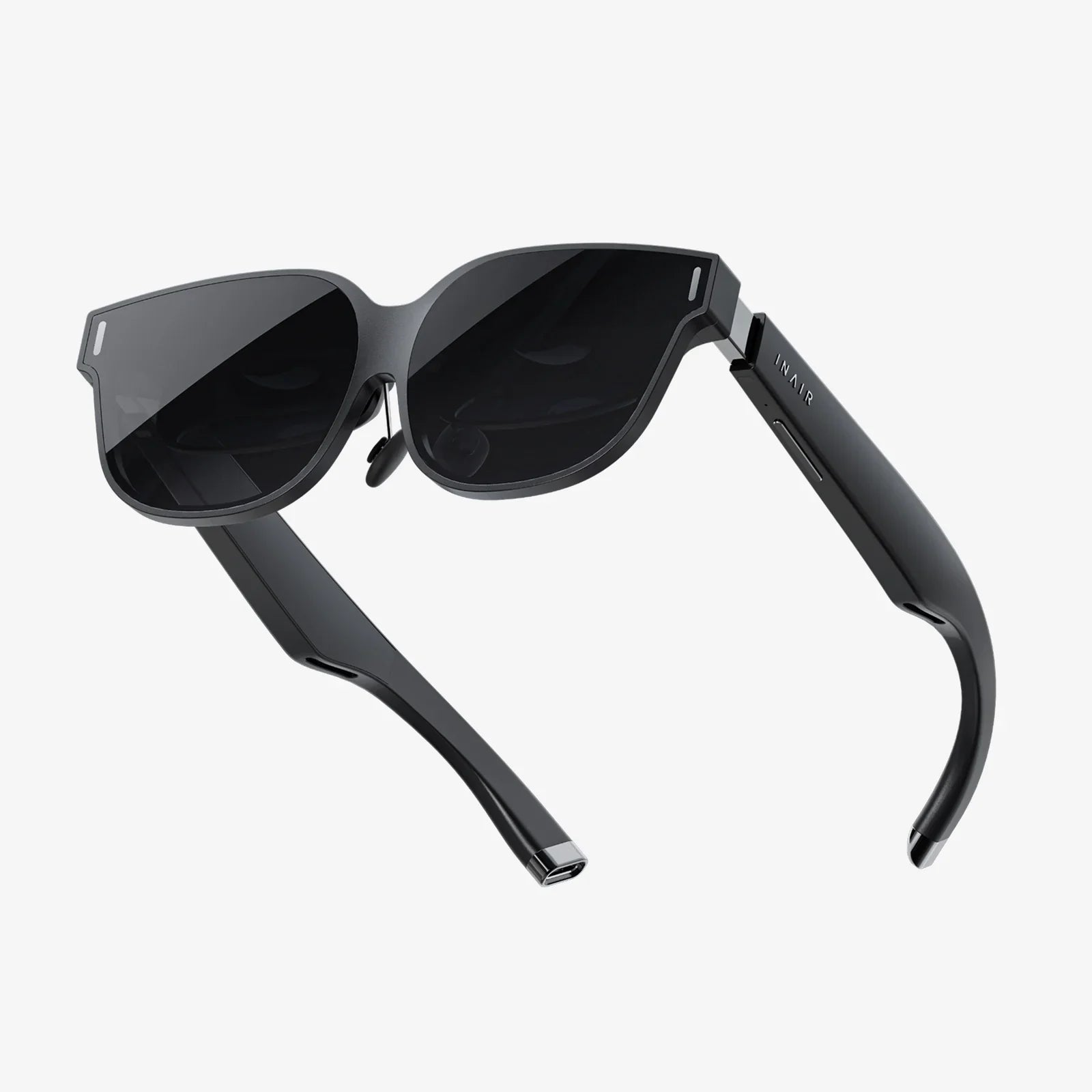
- VR and Mobile HMDs: For users with mobile-based virtual reality headsets, these tools can convert standard videos into immersive, cinema-like experiences.
- Content Creation: Aspiring filmmakers and video editors can experiment with 3D effects without the need for expensive, multi-camera rigs.
Navigating the Ecosystem: Considerations Before You Download
The distribution of this technology primarily through third-party portals outside of official app stores necessitates a cautious and informed approach. While these platforms provide access to powerful tools, they also come with inherent responsibilities for the user.
Performance and Hardware: Real-time video conversion is an intensely computationally demanding task. It requires a powerful processor (CPU/GPU), a substantial amount of RAM, and can generate significant heat and drain battery life rapidly. The performance will vary greatly depending on the age and specifications of the device. High-resolution videos will also take considerably longer to process than lower-resolution clips.
Source Material is Key: The old adage "garbage in, garbage out" holds true. A high-bitrate, high-resolution, stable video will always yield a better conversion result than a low-quality, grainy, or shaky source file. The clarity of the original image gives the algorithm more definitive data to work with.
The Future of Mobile Spatial Computing
The development of 2D to 3D conversion technology is not happening in a vacuum. It is a key component of the broader trend towards spatial computing and augmented reality (AR). As devices gain more advanced depth-sensing cameras (like LiDAR) and more powerful on-device AI processors, the accuracy and real-time capabilities of these conversions will improve exponentially. We are moving towards a future where our devices will not just display content but will understand the geometry of the world around them and the media we consume. This software is an early, yet powerful, stepping stone to interfaces where flat screens dissolve into interactive, three-dimensional holograms that blend seamlessly with our physical environment. The goal is a seamless, glasses-free 3D experience, and the algorithms being refined in today's applications are laying the crucial groundwork for that future.
The ability to conjure depth from a flat image feels like a superpower, a testament to the incredible advances in mobile processing and artificial intelligence. This technology shatters the traditional boundaries of the screen, offering a more immersive, engaging, and personal way to experience our digital memories and media. While the current generation of tools offers a tantalizing glimpse of this potential, they represent merely the first chapter in a story that will redefine our relationship with visual content. The door to a deeper digital dimension is now open, waiting on your home screen.
Share:
3D Eyeglasses: Unlocking the Third Dimension in Entertainment and Beyond
How to Work with AI: A Comprehensive Guide to Mastering the New Collaborative Paradigm