


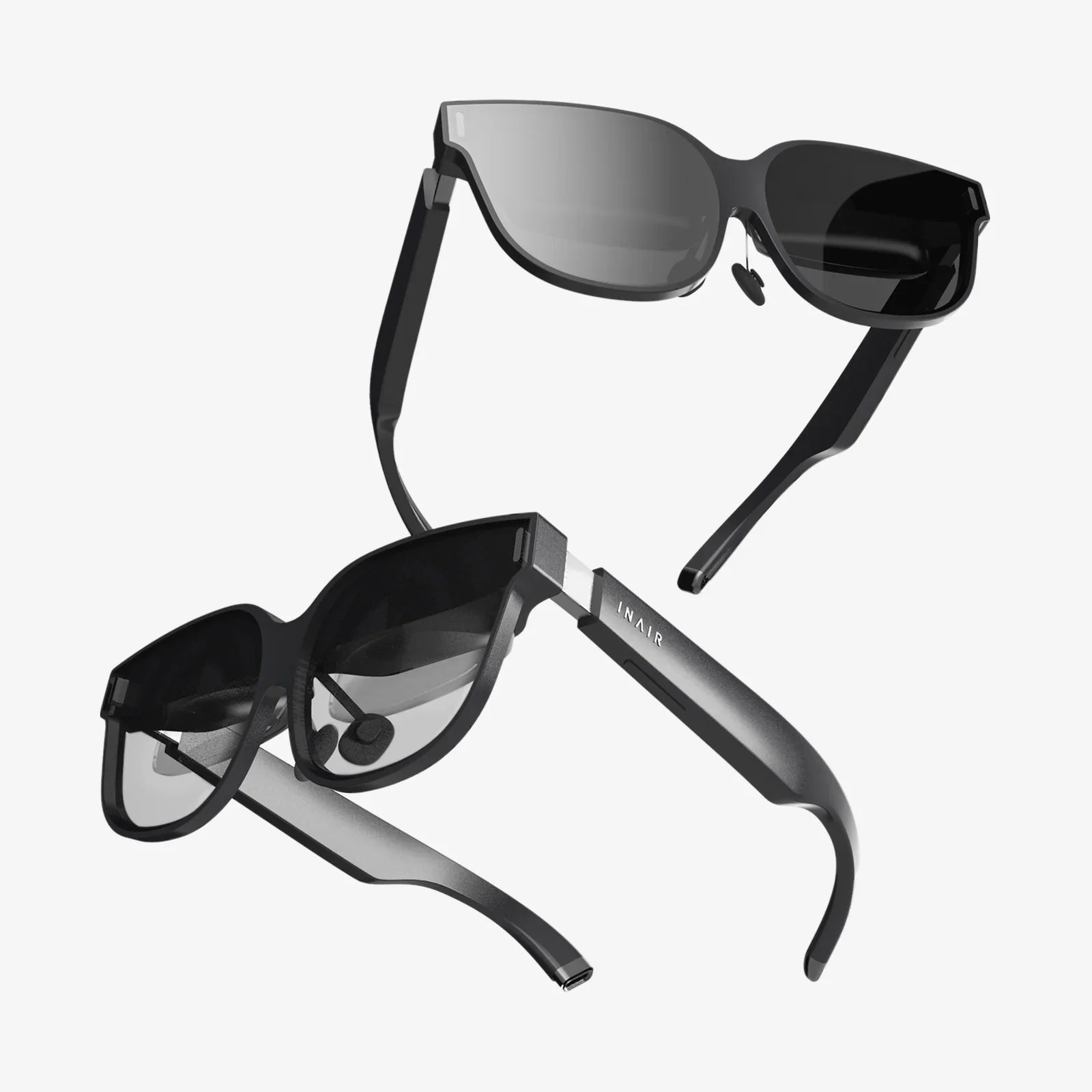
Imagine a world where your clothing monitors your vitality, your glasses overlay digital insights onto the physical realm, and a discreet sensor on your skin provides real-time health diagnostics to your doctor. This is not a glimpse into a distant sci-fi future; it is the rapidly evolving present, powered by the silent revolution of wearable technology. Moving far beyond simple step counters, the current landscape of wearables is a diverse ecosystem of intelligent devices designed to augment our lives, health, and capabilities. This deep dive explores the three fundamental types of wearables that are weaving computation into the very fabric of our daily existence.
The Wrist-Worn Revolution: More Than Just Timekeeping
The wrist has become the default canvas for wearable innovation, a location that is both highly visible and incredibly personal. This category, dominated by smartwatches and fitness trackers, represents the most mature and widely adopted segment of the wearable market.
These devices have evolved from rudimentary pedometers into sophisticated health and communication hubs. Modern wrist-worn wearables are equipped with a suite of sensors that act as a window into our physiological state. Photoplethysmography (PPG) sensors use light to measure blood flow and determine heart rate, while accelerometers and gyroscopes track movement with astonishing precision, differentiating between a brisk walk, a steady run, and even specific exercises like yoga or weightlifting. Advanced models incorporate electrocardiogram (ECG) sensors to detect atrial fibrillation, blood oxygen saturation (SpO2) monitors, and skin temperature sensors.
The true power of these devices lies not in the hardware alone, but in the software that interprets this constant stream of biometric data. Sophisticated algorithms transform raw numbers into actionable insights: tracking sleep stages to offer improvement suggestions, detecting unusual spikes in heart rate, and providing personalized fitness coaching. They have become our digital fitness companions, our silent health guardians, and our primary notification centers, all strapped comfortably to our wrists. They represent a significant shift towards proactive health management, empowering individuals with data about their own bodies that was once accessible only in a clinical setting.
Hearables: The Intelligence in Your Ears
While often categorized simply as audio accessories, modern hearables have firmly earned their place as a distinct and powerful type of wearable. True wireless earbuds and advanced hearing aids have transcended their primary function of audio playback to become intelligent, context-aware computing platforms.
The ear is an ideal location for biometric monitoring. It provides a stable, relatively motion-free environment with excellent blood flow, making it highly suitable for accurate heart rate monitoring. Many hearables now incorporate accelerometers for activity tracking and inertial sensors for head gesture control, allowing users to answer calls or skip songs with a simple nod.
Perhaps the most transformative feature is active noise cancellation (ANC) and its more advanced counterpart, adaptive transparency. These technologies allow users to curate their sonic environment, muting the chaotic noise of a city street while amplifying the voice of a person speaking to them. This capability is a profound augmentation of human hearing. Furthermore, integrated voice assistants provide hands-free access to information, translation services, and device control, making hearables a seamless interface between the user and the digital world. For those with hearing impairments, advanced hearables can act as personalized audio processors, amplifying specific frequencies to improve clarity and connectivity. This combination of augmented auditory experience, health monitoring, and AI-powered assistance makes hearables one of the most discreet yet powerful wearable categories.
Next-Generation Interfaces: Smart Eyewear and E-Textiles
Beyond the wrist and ear lies the bleeding edge of wearable technology: devices that aim to fundamentally alter our perception of reality or disappear into the items we already wear. This third category encompasses smart eyewear and electronic textiles (e-textiles), representing the most futuristic and potentially disruptive forms of wearables.
Smart Eyewear and Augmented Reality
Smart glasses seek to overlay the digital world onto the physical one, a concept known as augmented reality (AR). Unlike their virtual reality counterparts that fully immerse the user in a digital environment, AR glasses aim to enhance the real world with contextual information. Imagine walking through a foreign city and seeing translations of street signs appear before your eyes, or a mechanic seeing a schematic diagram superimposed on the engine they are repairing.
The technological challenges are immense, involving miniaturized projection systems, spatial mapping cameras, and powerful onboard processing, all packaged into a form factor that is socially acceptable and comfortable to wear for extended periods. The potential applications, however, are staggering, spanning industrial maintenance, medical procedures, navigation, and social connectivity. They promise a future where information is not confined to a screen we hold in our hand, but is instead integrated seamlessly into our field of vision.
Electronic Textiles (E-Textiles)
If smart glasses augment our vision, e-textiles aim to make the technology itself invisible. This involves weaving conductive threads and micro-sized sensors directly into the fabric of clothing, hats, and shoes. The goal is to create garments that look and feel entirely normal but are capable of continuous, comprehensive health monitoring.
An athletic shirt can monitor EKG signals, breathing rate, and muscle activity with far greater accuracy than a wrist-based device. Socks can analyze a runner’s gait to prevent injury. A baby’s onesie can monitor breathing and skin temperature for peace of mind. This approach moves monitoring away from a dedicated device and into the background of daily life, enabling a truly seamless and uninterrupted flow of health data. The development of washable, flexible, and durable conductive fibers is key to making this technology practical for everyday use.
The Societal and Ethical Implications
The proliferation of these three types of wearables brings with it a host of important questions that society must address. The constant collection of intimate biometric data creates unprecedented challenges for data privacy and security. Who owns this data? How is it being used by the companies that collect it? Could it be used by insurers to adjust premiums or by employers to make hiring decisions?
Furthermore, the concept of the "quantified self" raises philosophical questions about human experience. Does constantly monitoring our every heartbeat and sleep cycle lead to a healthier life, or does it fuel health anxiety and a reliance on external validation? There is also the risk of a digital divide, where access to these powerful health-monitoring tools becomes a marker of socioeconomic status, potentially exacerbating existing health disparities.
Finally, as devices like smart eyewear become more common, new social etiquette will be required. The ability to record video or look up information about a person discreetly during a conversation could fundamentally alter the nature of interpersonal trust and privacy in public spaces. Navigating these ethical dilemmas is as crucial to the successful adoption of wearables as the technological innovation itself.
The journey of wearable technology is a progression from the obvious to the invisible, from the convenient to the essential. We have moved from devices we strap on to garments that are the device, from screens we look at to information we see through. This seamless integration of technology into our lived experience promises a future where our environment is more responsive, our health is more proactively managed, and our understanding of our own bodies is deeper than ever before. The next time you glance at your wrist, adjust your earbuds, or put on a jacket, remember—you are not just accessing technology; you are wearing the future.
Share:
Best Artificial Intelligence: A Deep Dive into the Technologies Shaping Tomorrow
Deeply Integrate AR: Moving Beyond Novelty to Create Seamless and Indispensable Experiences