


Step into a world where the walls breathe, the floor dissolves beneath your feet, and masterpieces swirl around you in a symphony of light and sound. This is not a dream; it is the captivating frontier of 3D immersive arts, a revolutionary movement tearing down the traditional boundaries of artistic experience and inviting you not just to see art, but to live inside it. Forget silent galleries and velvet ropes; the future of art is a multi-sensory, interactive, and profoundly personal journey into the heart of creativity itself.
The Genesis of an Art Form: From Cave Walls to Digital Dreams
The human desire to immerse ourselves in narrative and image is as old as humanity itself. One could argue that the earliest forms of immersive art were the vast, sprawling cave paintings of Lascaux and Altamira, where our ancestors surrounded themselves with depictions of the hunt, creating an all-encompassing environment of myth and survival. Centuries later, the grand frescoes of the Renaissance, like those by Michelangelo in the Sistine Chapel, continued this tradition, aiming to overwhelm the viewer with scale and divine narrative.
The 20th century saw radical experiments in breaking the fourth wall. The avant-garde Dada and Surrealist movements challenged perception, while artists like Yayoi Kusama, with her Infinity Mirror Rooms, offered early glimpses into endless, repeating spaces. However, the true catalyst for the current revolution has been the digital explosion. The convergence of several key technologies has provided the palette and tools for this new genre to flourish, moving beyond mere projection into full-blown creation.
The Architect's Toolkit: The Technology Powering the Illusion
3D immersive art is not magic, though its effects can feel magical. It is a sophisticated orchestration of hardware and software working in perfect harmony. Understanding these components reveals the intricate craftsmanship behind the wonder.
Volumetric Capture and 3D Modeling
At the core of any 3D environment lies the model. Advanced 3D scanning and modeling software allows artists to sculpt digital worlds with incredible detail. More impressively, volumetric capture technology can record real-world objects, people, and spaces in three dimensions, translating them into dynamic digital assets that can be manipulated and integrated into larger virtual scenes.
Projection Mapping: The Alchemy of Space
Perhaps the most visible technology, projection mapping is the art of using projectors to turn any surface—whether flat, irregular, or even moving—into a dynamic display. Sophisticated software warps and blends images precisely to fit the geometry of the environment, creating the seamless illusion that the physical space is morphing, cracking, or blooming. This technique transforms static rooms into living, breathing entities.
Virtual and Augmented Reality: The Personal Portal
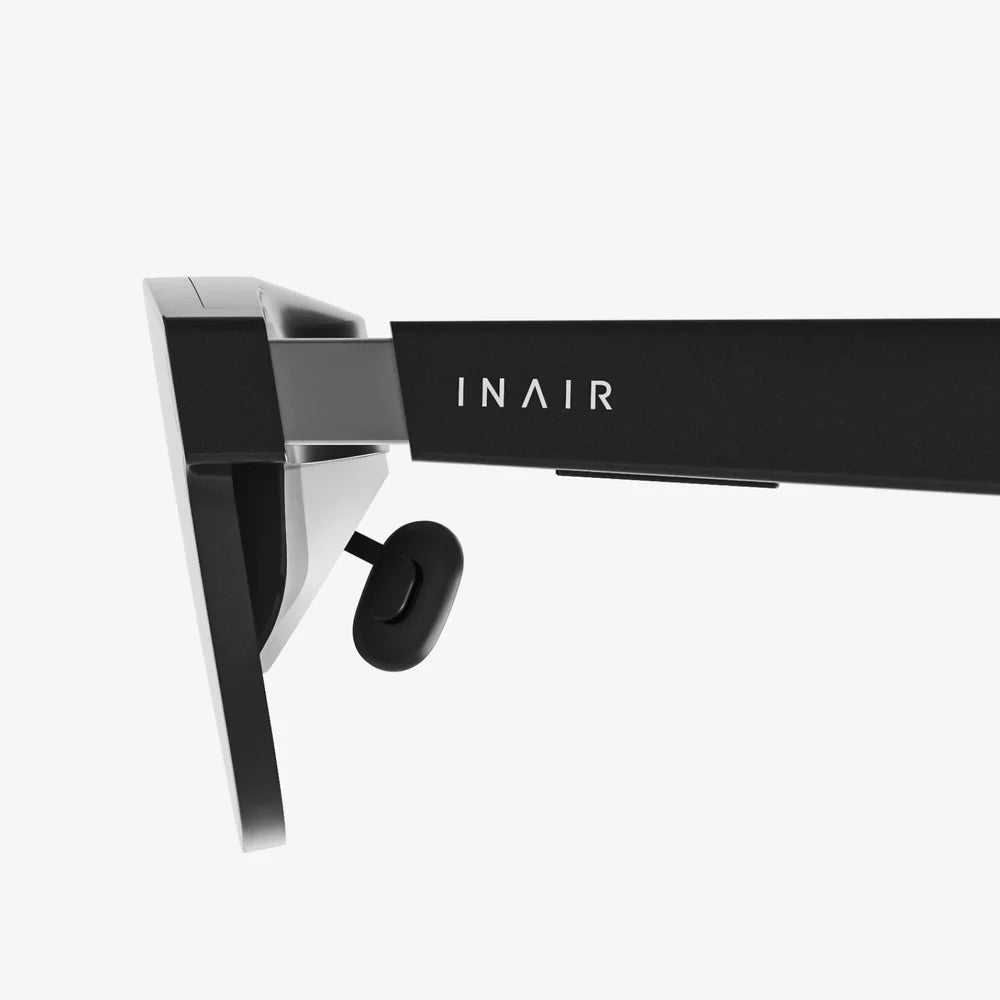
While large-scale installations create shared experiences, VR and AR headsets offer deeply personal immersion. Virtual Reality (VR) transports the user entirely into a computer-generated world, allowing them to navigate and interact with the art as a digital avatar. Augmented Reality (AR) overlays digital artwork onto our physical world, viewed through a smartphone or transparent lens, effectively turning a city street or a living room into a personalized gallery. These technologies democratize immersion, making it accessible anywhere, anytime.
Generative Art and Real-Time Rendering
Many immersive experiences are not pre-recorded films but living systems. Using generative art algorithms and real-time rendering engines (software most famously used in video game development), artists can create works that are endlessly unique. The visuals react to sound, movement, and even the biometric data of the audience, ensuring that no two viewings are ever exactly the same. This introduces an element of co-creation, where the audience actively influences the art they are experiencing.
Sensory Augmentation: Sound and Haptics
Immersion is not solely a visual feat. Spatial audio design is critical, using multi-channel speaker systems or binaural audio in headphones to place sounds specific locations within the 3D space. The rumble of thunder might come from above, while a whisper seems to originate just behind your shoulder. Furthermore, the integration of haptic feedback—vests or flooring that deliver precise vibrations—can let you feel the art, adding a powerful tactile layer to the experience.
The Psychology of Presence: Why It Captivates Us
The power of 3D immersive art lies in its ability to evoke a profound sense of presence—the undeniable feeling of "being there" in the digital environment. This phenomenon triggers a cascade of cognitive and emotional responses that a traditional painting simply cannot.
By engaging multiple senses simultaneously, these experiences create rich, multi-layered memories. The brain doesn't just record seeing something beautiful; it records the chill it felt, the sound it heard, and the awe of being surrounded by it. This multi-sensory encoding makes the memory more vivid and durable. Furthermore, the scale of these works often triggers a sublime reaction—a mix of awe, wonder, and a touch of humbling fear in the face of something vast and overwhelming. This emotional cocktail is incredibly potent and keeps audiences craving more.
Perhaps most importantly, these installations are inherently social. They are designed to be experienced and shared with others. Seeing the wonder on another person's face as they interact with the same digital world creates a powerful communal bond, a shared memory of a unique event. In an increasingly digital and isolated world, these spaces offer a new form of communal gathering and shared awe.
Beyond the Gallery: Applications Reshaping Our World
While popularized by blockbuster exhibitions, the reach of 3D immersive arts is extending far beyond entertainment, revolutionizing fields from education to corporate branding.
- Museums and Education: Imagine walking through ancient Rome, witnessing the orbits of planets around the sun from a cosmic perspective, or diving into the human bloodstream. Immersive tech makes historical, scientific, and cultural education an experiential adventure, dramatically improving engagement and knowledge retention.
- Live Performance and Theatre: Dance, music, and theatre are being transformed. Performers can interact with digital sets, with visuals reacting to their movement and music in real-time, creating a fusion of live action and digital environment that redefines the stage.
- Architecture and Design: Architects and interior designers use VR to conduct virtual walkthroughs of unbuilt spaces, allowing clients to experience the scale, light, and flow of a design long before construction begins.
- Retail and Brand Experiences: Forward-thinking companies are creating immersive pop-ups and flagship stores. Instead of just selling a product, they sell an unforgettable brand experience, transporting customers into the ethos and story of their label.
- Therapeutic Environments: The calming, transporting nature of immersive art is being harnessed for therapy and wellness. Soothing, nature-based VR experiences are used to manage anxiety, pain, and stress, offering a form of digital escapism for healing.
Navigating the New Frontier: Challenges and Ethical Considerations
As with any nascent and powerful medium, the rise of 3D immersive arts brings a host of questions and challenges. The creation of such complex works is often prohibitively expensive, requiring significant technical expertise and raising questions about accessibility and the digital divide. Who gets to create this art, and who gets to experience it?
The intense data collection often required for interaction—tracking user gaze, movement, and biometrics—also raises significant privacy concerns. Furthermore, the psychological power of total immersion carries a responsibility. Without the ethical frameworks of more established mediums, artists and creators must grapple with the potential for manipulation or the creation of overly intense, distressing experiences.
Finally, there is the philosophical question of authorship and authenticity. In a generative, interactive piece that changes with each audience, where does the artist's vision end and the viewer's contribution begin? The very definition of what constitutes an "artwork" is being stretched and redefined in real-time.
The Unwritten Future: Where Do We Go From Here?
The trajectory of 3D immersive arts points toward even deeper integration into our lives. The future likely holds hyper-realistic experiences powered by AI and real-time graphics that are indistinguishable from physical reality. We will see the rise of persistent virtual worlds dedicated solely to art—digital counterparts to Paris or New York that are constantly evolving. Brain-computer interfaces may one day allow us to experience art directly through neural stimulation, bypassing screens and projectors altogether.
This is more than a new trend; it is a fundamental shift in the paradigm of artistic consumption. It represents a move from observation to embodiment, from static interpretation to dynamic participation. It rekindles a primal sense of wonder, proving that in our hyper-digital age, we still crave collective, awe-inspiring experiences. We stand at the threshold of a new dimension of human expression, limited only by the boundaries of our imagination. The canvas has expanded to encompass the entire world, and the invitation to step inside has never been more compelling.
You've seen the pictures and heard the whispers, but to truly understand the seismic shift of 3D immersive art, you must surrender to it. This is your call to step out of the passive observer's shadow and into the light of a new artistic dawn. Find an installation, don a headset, and let the digital tide wash over you—your perspective on art, technology, and reality itself is waiting to be rewritten.
Share:
Similarities Between Augmented Reality and Virtual Reality: A Deep Dive Into The Digital Frontier
Similarities Between Augmented Reality and Virtual Reality: A Deep Dive Into The Digital Frontier