


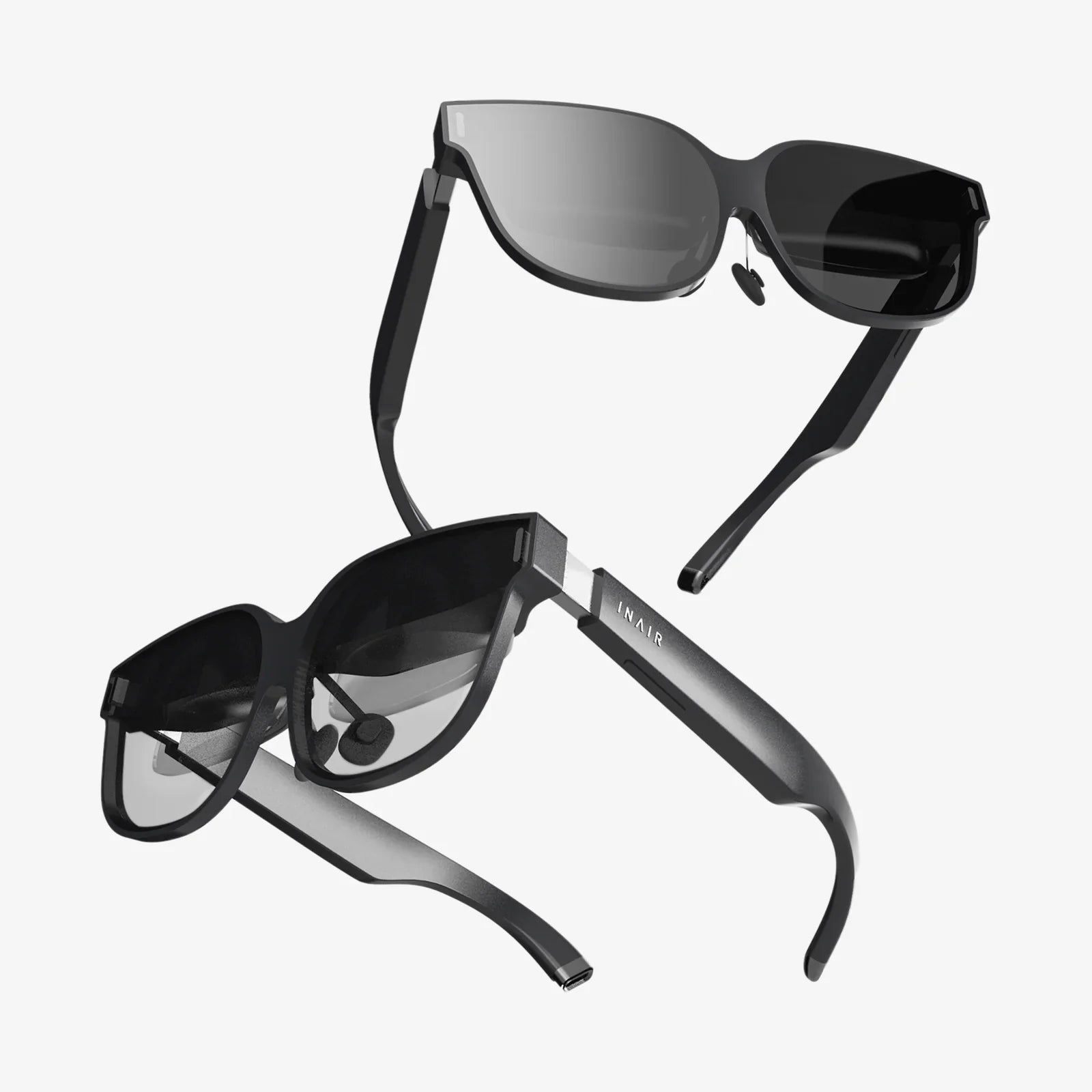
Imagine dipping a brush not into a pot of paint, but into the very fabric of spacetime, swirling nebulae of color with a flick of your wrist to craft worlds that pulse with life and dimension. This is no longer the realm of science fiction or distant fantasy; it is the breathtaking reality for a growing legion of artists, designers, and creators who have stepped through the looking glass into the immersive domain of 3D painting virtual reality. This technological synergy is not merely a new tool; it is a fundamental paradigm shift, a digital renaissance that is dismantling the physical and conceptual barriers that have constrained artistic expression for millennia, inviting us all to create in a space as infinite as our imagination.
The Confluence of Art and Technology: A Historical Leap
The history of art is inextricably linked to the history of its tools. From charcoal on cave walls to the invention of oil paints, from the camera obscura to the graphic tablet, each technological leap has expanded the artist's palette of possibilities. The digital revolution brought forth powerful software that allowed for intricate manipulation of images and the creation of complex 3D models. However, a significant barrier remained: the interface. Artists were still translating three-dimensional visions onto a two-dimensional screen using a mouse and keyboard, a process that often felt indirect and disconnected.
Virtual reality technology shattered this barrier. By donning a headset and motion-tracked controllers, the artist is teleported inside the canvas. The screen is no longer a window to look through; it becomes the world you inhabit. Your hand movements are no longer translated into cursor movements; they become the brushstrokes themselves. This is the core magic of 3D painting in VR: the restoration of an intuitive, somatic connection between the creator and the creation. It is sculpting with light, architecture with emotion, and painting with the full volume of space.
Stepping Into the Canvas: The Immersive Workflow
The experience of creating in VR is fundamentally different from any traditional or digital method. The workflow is intuitive yet profoundly powerful.
- The Virtual Studio: Upon entering a VR painting application, the artist finds themselves in a customizable environment—perhaps an infinite black void, a serene mountaintop at dusk, or a sleek futuristic studio. This is your personal creative sanctuary, free from physical clutter and distraction.
- The Expressive Toolkit: The controllers transform into a vast array of tools. One moment they are a spray can for broad gradients of color, the next a fine-tipped brush for intricate details, a clay-sculpting tool, or even a gravity gun to manipulate the environment itself. Brushes can be programmed with dynamic physics, mimicking oil, watercolor, or otherworldly materials that react to virtual forces.
- Spatial Awareness and Scale: This is perhaps the most revolutionary aspect. The artist can walk around their creation, view it from any angle, and even step inside it. You can paint a galaxy, then shrink yourself down to add details to a tiny planet. You can sculpt a life-size statue and then admire your work from its perspective. This god-like control over scale and perspective is unprecedented in art.
- The Third Dimension as a Native Element: Unlike 2D software where depth is simulated, in VR, depth is a native, tangible property. Every stroke exists in true 3D space with volume and form. Artists build up paintings as sculptural objects, layering strokes to create rich, textured surfaces that have real presence.
Unleashing Creativity: The Boundless Possibilities
The applications for 3D painting in VR extend far beyond traditional art forms, opening doors to new industries and modes of expression.
- Concept Art and Design: The film, video game, and animation industries have eagerly adopted this technology. Concept artists can rapidly prototype characters, environments, and vehicles in full scale and volume. A production designer can literally walk through a set design long before a single physical prop is built, making iterative changes in real-time.
- Architecture and Prototyping: Architects and industrial designers use VR painting to visualize structures and products. They can sketch a building at 1:1 scale, experiencing the flow of space and light in a way blueprints can never convey. This allows for incredibly intuitive and client-friendly presentations.
- Education and Therapy: Imagine a biology student painting a beating heart in three dimensions, exploring its chambers from the inside. Or a therapist guiding a patient to create and interact with calming, self-generated environments. The potential for immersive learning and healing is immense.
- Collaborative Worlds: Many VR platforms allow multiple users to inhabit the same virtual space and create together. Artists from across the globe can meet in a shared void to collaborate on a single sculpture or environment, blending their styles and ideas in real-time, fostering a new kind of collective creativity.
Challenges and Considerations in the Virtual Atelier
Despite its promise, this new medium is not without its challenges. The initial cost of hardware, while decreasing, remains a barrier for some. There is a physical learning curve; creating for extended periods can be taxing, and mastering the subtleties of virtual tool physics requires practice. Furthermore, the question of preserving and displaying art created in this ephemeral digital space is complex. How does one exhibit a VR sculpture? Can it be printed, and if so, does that lose its essential interactive nature? The art world is still grappling with these questions of curation, ownership, and the very definition of the art object in a digital age.
The Future Strokes of the Virtual Brush
The evolution of 3D painting VR is accelerating at a dizzying pace. We are moving towards even more immersive experiences with haptic feedback gloves that simulate the resistance of a brush on canvas or the texture of virtual clay. Eye-tracking and neural interface technologies hint at a future where artists might manipulate their environment through thought and gaze alone. Artificial intelligence is beginning to play a role as a collaborative partner, suggesting forms, completing patterns, or generating complex textures based on an artist's simple gestures. The line between creator and creation will continue to blur, leading to art forms we cannot yet conceive.
The true masterpiece of 3D painting virtual reality is not any single sculpture or environment it has produced; it is the democratization of spatial creation itself. It has returned art to its most primal, intuitive form—the human body moving in space to leave a mark—while simultaneously launching it into a future of infinite possibility. It proves that the next great artistic movement will not be defined by a style or a manifesto, but by an entirely new dimension, waiting for anyone brave enough to pick up the brush and step inside.
Share:
Best Virtual Reality Player for Android: Your Ultimate Guide to Mobile VR Content
Virtual Reality Player for iPhone: The Ultimate Guide to Unlocking Immersive Content in Your Pocket