


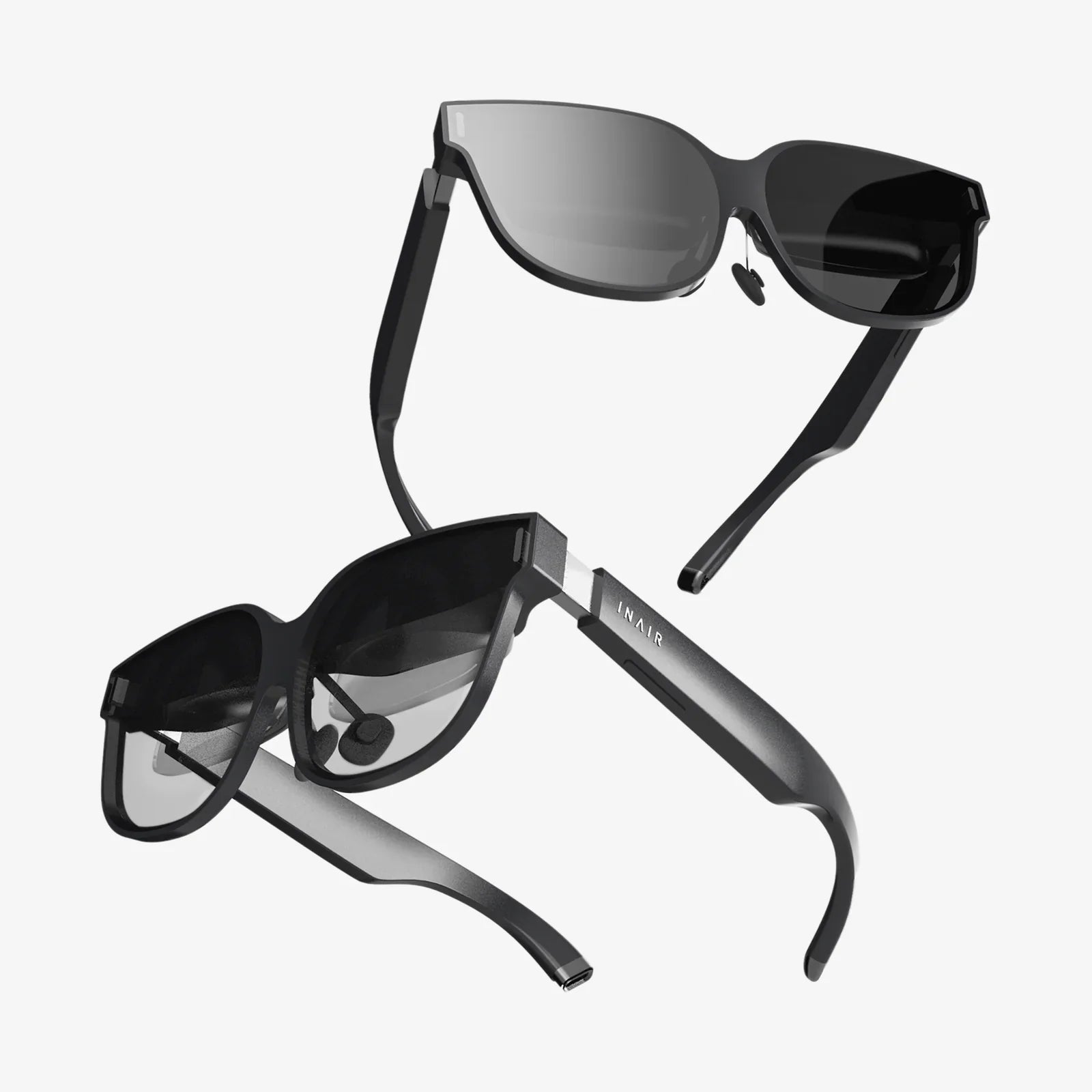
Imagine being able to pick up a product from your screen, rotate it under a virtual light, and inspect every intricate detail as if it were resting in the palm of your hand. This is no longer a fantasy reserved for science fiction; it is the powerful new reality being forged by the rapid advancement of the 3D product platform. This technological leap is fundamentally rewriting the rules of digital engagement, offering an unprecedented level of immersion that static images and even video simply cannot match. For businesses, creators, and consumers alike, these platforms are unlocking a new dimension of commerce, design, and storytelling, creating a future where the digital and physical worlds seamlessly converge.
The Architectural Core: How 3D Product Platforms Function
At its heart, a 3D product platform is a sophisticated ecosystem of software and services designed to create, manage, and display interactive three-dimensional models. The journey begins with asset creation. Products can be translated into digital twins through various methods. High-polygon modeling by skilled artists using advanced software is one route, meticulously crafting every curve and texture. For faster, more scalable creation, many platforms now integrate photogrammetry—a process that uses hundreds of photographs taken from every angle to automatically generate a highly accurate 3D model. More recently, structured light and laser scanners have provided another powerful method for capturing precise geometric data, perfect for complex engineering components or organic shapes.
Once created, these models are not simply dumped onto a server. The platform's backend is where the true magic happens. This is where large, complex model files are optimized through a process often called 'decimation' or 'retopology,' reducing their polygon count without sacrificing visual fidelity. This is crucial for ensuring they can stream smoothly to a user's device, whether it's a high-end gaming PC or a standard smartphone. Textures—the images that give a model its color, roughness, and metallic properties—are compressed and mapped perfectly onto the 3D geometry. The platform manages these assets, often storing them in the cloud for universal access.
The Viewer: The Gateway to Immersion
The final, and most critical, piece of the puzzle is the viewer—the interface through which the customer experiences the product. Modern web-based viewers are technological marvels in their own right. Built on WebGL and WebXR standards, they allow high-fidelity 3D rendering directly within a web browser without the need for additional plugins or downloads. This accessibility is a game-changer. Users can interact with the model using intuitive controls: click and drag to rotate, scroll to zoom, and often, tap to activate pre-set animations that demonstrate functionality, like opening a door or adjusting a mechanism.
Many advanced platforms integrate Augmented Reality (AR) features directly into the viewer. With a simple tap, a user can 'place' the virtual product into their real-world space using their smartphone camera. Seeing how a new sofa fits in their living room or how a light fixture hangs above their dining table erases the guesswork from online shopping and drastically reduces purchase anxiety. This seamless blend of the digital and physical is the ultimate expression of the platform's value, transforming the customer's environment into a showroom.
Transforming Industries: The Widespread Impact
The applications for 3D product platforms extend far beyond a single sector, creating ripples of innovation across the global economy.
E-commerce and Retail
This is the most visible and impactful arena. Online stores are being revolutionized. Instead of a carousel of 2D images, product pages now feature an interactive 3D model that the user controls. This leads to deeper engagement, longer time on page, and a significant reduction in product returns. Customers gain confidence because they know exactly what they are buying. For fashion, it allows viewers to appreciate the drape and texture of fabric. For electronics, they can inspect ports and finishes. For furniture, they can validate scale and design in their own home via AR. The result is a more confident consumer and a more efficient, profitable sales process.
Marketing and Advertising
3D models are dynamic assets that supercharge marketing campaigns. A single 3D file can be used to generate an infinite number of high-quality, photorealistic images and videos from any angle, in any environment, without the need for costly photoshoots or sample production. Marketers can create immersive configurators that allow potential buyers to customize products in real-time—changing colors, materials, and components—and instantly see their unique creation. This level of personalization fosters a powerful emotional connection to the product before it's even manufactured, turning the configuration process into an engaging experience rather than a simple transaction.
Manufacturing and Prototyping
Within industrial settings, 3D platforms serve a more pragmatic but equally vital role. They act as a single source of truth for product data. Engineers and designers across the globe can collaborate on the same detailed 3D model, identifying potential design flaws and streamlining the prototyping phase. These digital twins can be used for virtual stress-testing, assembly line simulation, and for creating accurate technical documentation. By catching errors in the digital realm, companies save enormous amounts of time and resources that would have been wasted on physical prototypes and manufacturing missteps.
Architecture, Engineering, and Construction (AEC)
For the AEC industry, 3D platforms are indispensable. Architects create detailed 3D models of buildings long before ground is broken. Clients can take virtual walkthroughs of their future homes or offices, providing valuable feedback on layout, lighting, and space. Engineers can plan complex systems like HVAC and electrical within the model to avoid clashes during construction. This Building Information Modeling (BIM) process, powered by robust 3D platforms, minimizes errors, reduces waste, and ensures all stakeholders are aligned from conception to completion.
Navigating the Implementation Journey
Adopting a 3D product platform is a strategic decision that requires careful planning. The first step is a clear assessment of goals. Is the primary aim to reduce returns, increase engagement, enable mass customization, or streamline design collaboration? The answer will guide the choice of platform and the scope of the project.
The next hurdle is often the creation of the 3D assets themselves. For businesses with large existing catalogs, digitizing hundreds or thousands of products can seem daunting. This is where evaluating different creation methodologies is key. While custom modeling offers the highest quality, automated solutions like photogrammetry-as-a-service can dramatically accelerate the process for suitable products. Companies must weigh the initial investment against the long-term ROI, which is consistently proven through higher conversion rates and lower return rates.
Finally, successful integration means embedding these 3D experiences seamlessly into existing workflows and digital storefronts. The best platforms offer easy integration with major e-commerce systems, CMS platforms, and enterprise software through APIs and plugins, ensuring a smooth technical deployment that doesn't disrupt business operations.
The Future is Now: Emerging Trends and Possibilities
The evolution of 3D product platforms is accelerating, driven by advancements in adjacent technologies. The concept of the 'metaverse'—a constellation of persistent virtual worlds—is predicated on high-fidelity 3D content. These platforms will become the primary tool for building and populating these digital environments with products and assets.
Artificial Intelligence is already beginning to automate and enhance 3D workflows. AI algorithms can now generate basic 3D models from 2D images, automatically optimize textures, and even suggest optimal lighting for product shots. As AI matures, it will make 3D content creation faster, cheaper, and more accessible to smaller businesses.
Furthermore, the rise of real-time rendering technology, pioneered by the gaming industry, is making its way into these platforms. This allows for cinematic, hyper-realistic visuals with dynamic lighting and reflections that react in real-time to user interaction, making the virtual product indistinguishable from its physical counterpart.
We are standing at the precipice of a new era in digital interaction. The flat, static web is giving way to a spatial, immersive internet where products are not just seen but experienced. The businesses that embrace this shift and invest in a robust 3D product platform today are not merely upgrading their imagery; they are future-proofing their customer relationships, building unparalleled trust through transparency, and positioning themselves at the absolute forefront of the next digital revolution. The ability to offer a 'try before you buy' experience for anything, anywhere, is the final frontier of online commerce—and it's already here.
Share:
Best AR Glasses Australia: A 2024 Guide to the Future on Your Face
Use Movie Theater 3D Glasses at Home: Your Ultimate Guide to a Cinematic Upgrade