


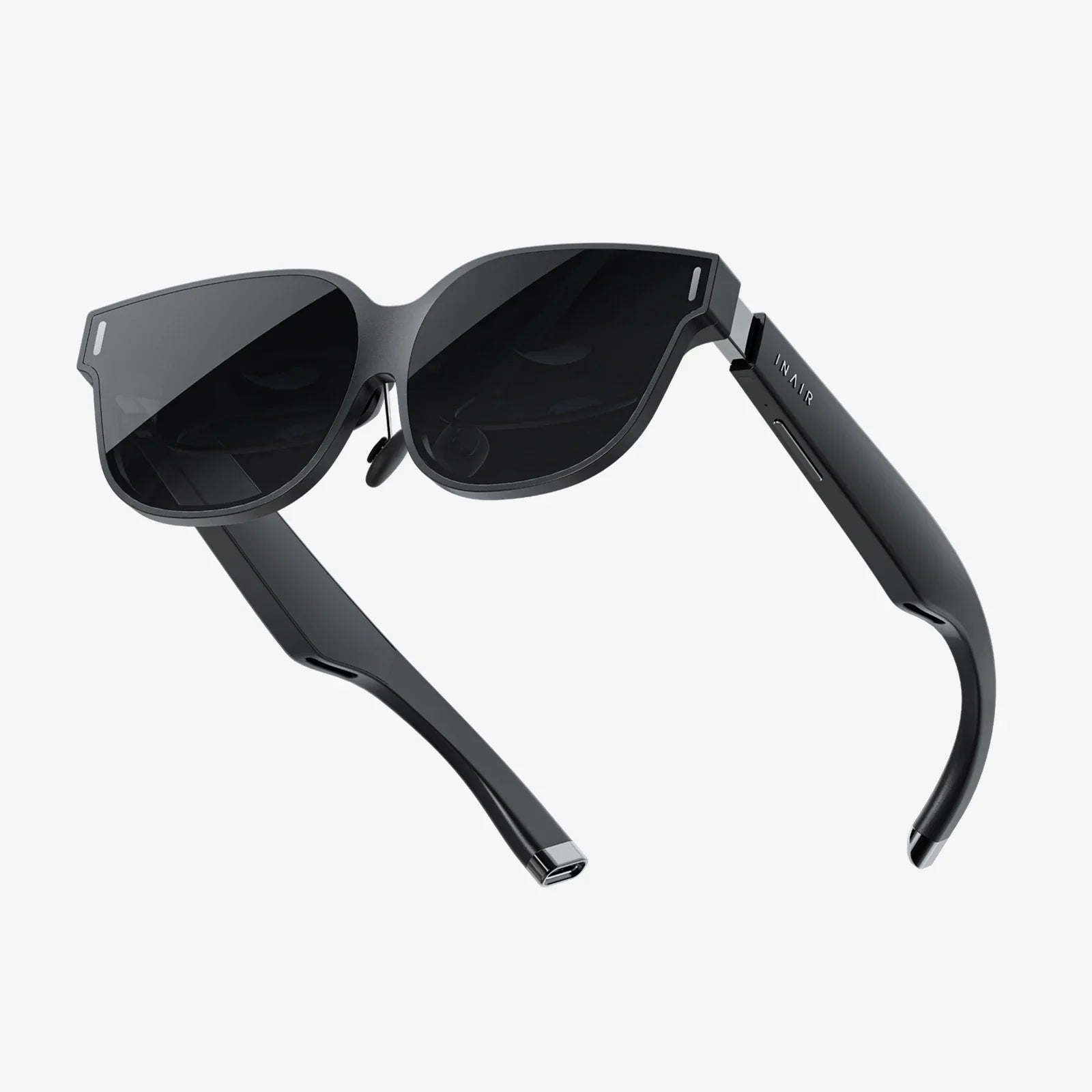
Stepping into a new dimension has never been more tantalizing, yet the question burning in the minds of countless curious consumers remains: what does a portal to these digital worlds actually cost? The landscape of 3D virtual reality headset price is a fascinating and complex ecosystem, far from a simple number on a tag. It's a story of cutting-edge technology, strategic market positioning, and the evolving definition of value in an immersive computing age. This comprehensive guide will demystify the costs, explore the factors that drive them, and equip you with the knowledge to navigate your purchase with confidence, ensuring your investment unlocks the experiences you truly desire.
The Three Tiers of Virtual Reality: Finding Your Entry Point
The market for VR headsets has matured into three distinct pricing and performance tiers, each catering to different user needs and budgets. Understanding these categories is the first step to deciphering the 3D virtual reality headset price spectrum.
1. The Accessible Gateway: Mobile & Standalone VR
This tier represents the most affordable point of entry. These headsets are self-contained computers; all the necessary processing power, sensors, and displays are built into the unit itself. They are untethered, offering unparalleled freedom of movement, and are designed for ease of use, often requiring just a Wi-Fi connection to access a vast library of games, apps, and social experiences. The 3D virtual reality headset price in this category typically ranges from $200 to $500. This lower cost is achieved through mass-market components and a closed, curated ecosystem. While they may not deliver the graphical fidelity of their more powerful counterparts, they provide a fantastic and complete introduction to immersive media, fitness, and social VR.
2. The Powerhouse: PC-Connected VR
For those seeking the highest-fidelity experiences—hyper-realistic simulations, graphically intense games, and professional-grade applications—the PC-connected tier is the destination. These headsets act as sophisticated displays and tracking devices, offloading all the heavy computational work to a powerful external computer. This reliance on an external source is the key to their performance and their cost. The 3D virtual reality headset price for a premium PC-connected model can range from $500 to over $1,200 for the headset alone. However, the true total cost of ownership is significantly higher, as it mandates a capable gaming PC, which can represent an additional investment of $1,000 to $2,500+. This tier is for enthusiasts and professionals who prioritize performance above all else.
3. The Console Hybrid: Console-Based VR
Occupying a unique middle ground, this tier leverages the power and accessibility of a video game console. By designing a headset to work exclusively with a specific console, manufacturers can optimize the hardware and software to deliver a high-quality, plug-and-play experience that far surpasses mobile VR but often comes in at a lower total cost than a PC-VR setup. The 3D virtual reality headset price here is usually bundled with the necessary controllers and cameras, typically costing between $400 and $550. The prerequisite, of course, is ownership of the corresponding console. This model offers a compelling balance of performance, convenience, and ecosystem integration for gamers already invested in that platform.
Deconstructing the Cost: What You're Actually Paying For
When you examine a 3D virtual reality headset price, you're investing in a symphony of advanced technologies. Breaking down these components reveals why prices vary so dramatically.
Display Technology: The Window to Another World
The displays are the soul of the headset. The resolution (number of pixels), refresh rate (how smoothly the image updates, measured in Hz), and the type of panel used (LCD vs. OLED) are massive cost drivers. Higher-resolution displays eliminate the "screen-door effect" and increase clarity, while a high refresh rate (90Hz, 120Hz, or even 144Hz) is crucial for comfort and immersion, reducing motion sickness. OLED panels offer perfect blacks and vibrant colors but are more expensive than LCDs. Advanced headsets may also use techniques like local dimming on LCDs to approach OLED quality, further adding to the 3D virtual reality headset price.
Lens Clarity and Sweet Spot
Between your eyes and the displays are complex lens systems. Cheap, simple lenses can cause distortion, blurriness, and a narrow "sweet spot" where the image is clear. Premium headsets use custom-engineered Fresnel, aspheric, or even groundbreaking pancake lenses. These advanced optics provide a wider field of view (FOV), a larger sweet spot, and reduced glare, but their complex manufacturing process significantly contributes to a higher 3D virtual reality headset price.
Tracking Systems: The Magic of Movement
How does the headset know where you are in space? There are two primary methods:
- Inside-Out Tracking: Cameras on the headset itself view the real world to track its position. This is convenient and requires no external hardware, making it standard for standalone headsets. More cameras mean better, more robust tracking, increasing cost.
- Outside-In Tracking: External sensors or base stations placed in the room emit signals to track the headset and controllers with extreme, millimeter-accurate precision. This system is favored in professional and high-end enthusiast setups for its superior accuracy but adds to the overall cost and setup complexity.
Processing Power: The Brain of the Operation
For standalone headsets, the internal processor (SoC - System on a Chip) is a major cost factor. These are mobile chipsets, similar to those in high-end smartphones, and their performance dictates the complexity of the experiences the headset can run. A more powerful, cutting-edge processor commands a higher 3D virtual reality headset price.
Controllers and Haptics
Gone are the days of simple wands. Modern VR controllers are sophisticated pieces of hardware with precise motion sensors, capacitive touch sensing, and advanced haptic feedback systems that provide nuanced vibrations. Some systems even offer finger-tracking capabilities, allowing for natural hand gestures within VR. The development and inclusion of these immersive controllers are factored into the total package cost.
Build Quality, Comfort, and Audio
A cheap plastic headset with minimal padding becomes uncomfortable quickly. Higher-priced models invest in premium materials (better plastics, fabrics, even magnesium alloy frames), sophisticated weight distribution systems, and interchangeable facial interfaces for hygiene and comfort. Integrated, high-quality spatial audio systems that deliver 3D sound without needing headphones also add value and cost.
Beyond the Headset: The Hidden Costs of VR Ownership
The 3D virtual reality headset price is rarely the final financial consideration. Prospective buyers must account for the ecosystem and ongoing costs.
The Software Library: Games and Applications
While many apps are free or low-cost, premium VR games typically cost between $20 and $60, similar to traditional console games. Building a library of favorite titles is an ongoing expense. Subscription services for VR fitness apps or creative tools are also becoming common.
The Hardware Tax: PC and Console Requirements
As mentioned, PC-VR has the largest hidden cost: the computer itself. Console-VR requires the console. Even for standalone VR, accessories like a more comfortable aftermarket head strap, additional face covers, rechargeable batteries for controllers, and carrying cases are popular purchases that add to the total investment.
Physical Space and Maintenance
While not a direct monetary cost, having a dedicated, clear play space is a requirement for room-scale VR. Furthermore, items like lens cleaning kits are essential for maintenance and preserving the headset's value.
The Future of VR Pricing: A Trend Towards Accessibility or Premiumization?
The market is pulling in two seemingly opposite directions, which will continue to shape the 3D virtual reality headset price for years to come.
On one hand, the goal of the industry is mass adoption. This is achieved by making the technology more accessible. We can expect continued innovation in standalone headsets, offering better performance at the same or lower price points as components become cheaper to manufacture. The most affordable tier will likely see more competition, driving prices down for entry-level models.
Conversely, there is a simultaneous push towards premiumization. The concept of the "metaverse" and VR as a replacement for traditional computing platforms demands higher resolution, more comfortable form factors, and new technologies like eye-tracking and facial expression capture. These advanced features, often found in professional or enterprise-grade headsets costing thousands of dollars, will eventually trickle down to consumer devices, potentially creating a new ultra-premium consumer tier that pushes the ceiling of the 3D virtual reality headset price even higher in pursuit of perfect immersion.
Ultimately, the journey to find your perfect VR headset is not about finding the cheapest option, but the one that offers the best value for your specific desires and budget. The thrill of exploring boundless digital worlds, conquering virtual peaks, and connecting with others in shared spaces is an experience that, for many, justifies the investment. By understanding the technology behind the tag, you're not just buying a device; you're wisely investing your ticket to the next great computing revolution.
Share:
How Are Virtual Reality Videos Made: A Deep Dive Into The Craft
Portable Computer Devices: The Unseen Revolution Reshaping Our Daily Lives