


Imagine a world where your entire office, library, studio, and connection to global knowledge fits in your backpack or even your pocket. This isn't a scene from science fiction; it's our reality, powered by the relentless evolution of portable computer devices. These sleek slabs of glass and metal have quietly orchestrated one of the most profound cultural and technological shifts in human history, dissolving the boundaries between here and there, work and home, creation and consumption. We are living in the age of the nomad, and the tools we carry are rewriting the rules of society itself.
The Genesis of Mobility: From Room-Sized Giants to Pocket Powerhouses
The journey of the computer from a static, room-sized behemoth to a lightweight travel companion is a story of audacious engineering and shrinking transistors. The first so-called "portable" devices were anything but, often weighing as much as a small piece of furniture and requiring a dedicated power source. They were novelties for a select few. The true revolution began with the convergence of several key technologies: the invention of the lithium-ion battery, the development of energy-efficient processors, and the creation of bright, crisp flat-panel displays. This holy trinity of innovation finally untethered computing power from the wall outlet.
Early devices prioritized function over form, but as the technology matured, a new design philosophy emerged. The goal was no longer just to make a computer that could be moved, but to create an experience that was seamless, intuitive, and delightful. The clamshell design became a standard for larger portables, offering protection for the screen and keyboard while providing a familiar workspace. For smaller devices, the slate form factor triumphed, turning the entire surface into an interactive canvas controlled by the most natural of tools: our fingers.
Anatomy of a Modern Marvel: Deconstructing the Portable Device
Today's portable computer devices are marvels of integration, packing staggering performance into impossibly thin profiles. At their heart lies the System-on-a-Chip (SoC), a tiny silicon wafer that integrates the central processing unit (CPU), graphics processing unit (GPU), memory, and numerous other controllers. This incredible consolidation is the primary reason devices can be so powerful yet so energy-efficient.
Surrounding the SoC are other critical components. High-resolution, multi-touch displays with wide color gamuts and high brightness levels serve as the primary window to the digital world. Solid-state storage (SSD), with no moving parts, provides instant access to data and enhances durability. All-day battery life is achieved not by using larger batteries, but through a constant dance of sophisticated software and hardware optimization, where the system intelligently manages power distribution, shutting down components the nanosecond they are not in use.
Connectivity is the lifeblood of portability. Wi-Fi and cellular modems keep devices perpetually linked to the global cloud, while a suite of short-range radios like Bluetooth and NFC manage connections to peripherals, from wireless headphones to smartwatches. This constant, invisible conversation between the device and the world around it is what makes modern portable computing so magical.
The Cultural Catalyst: Reshaping Work, Life, and Everything In Between
The impact of portable computing extends far beyond mere convenience. It has fundamentally altered the fabric of our daily lives. The traditional 9-to-5 workday, anchored to a specific desk in a specific building, is rapidly dissolving. In its place, we have the rise of the digital nomad, the remote worker, and the flexible office. Work is no longer a place you go; it's a thing you do, from a coffee shop, a kitchen table, or a park bench. This shift has democratized opportunity, allowing talent to flourish irrespective of geographic location.
Beyond work, these devices have revolutionized creativity and learning. Aspiring filmmakers can shoot, edit, and color-grade a short film on a single device during their morning commute. Musicians can compose entire symphonies with virtual instruments. Students have access to the sum of human knowledge, interactive textbooks, and virtual classrooms from anywhere. The barrier to entry for creation and education has been lowered to an unprecedented degree.
Socially, portable devices have created a new layer of reality—a digital public square that we carry with us. They have redefined how we maintain relationships, access news, and participate in culture. While this always-on connectivity fosters a sense of global community, it also presents new challenges, blurring the lines between public and private life and forcing us to renegotiate the etiquette of attention.
The Invisible Infrastructure: Cloud, AI, and the Ecosystem
The true power of a modern portable device is not just what's in your hand, but what it connects to. The cloud acts as an infinite extension of its limited internal storage, syncing documents, photos, and preferences across all devices instantaneously. This seamless ecosystem is what locks users into a particular platform, creating a web of interoperability between a phone, a tablet, a laptop, and even wearable devices.
Artificial intelligence and machine learning are now deeply embedded in the portable experience. The chip's Neural Processing Unit (NPU) works in the background to enhance photos, transcribe speech in real-time, optimize battery life, and provide proactive suggestions. These devices are becoming less like tools and more like intelligent assistants, anticipating our needs and streamlining our workflows without being explicitly asked.
This interconnectedness also raises critical questions about data sovereignty and privacy. Our most personal information—our location history, communications, health data, and browsing habits—flows through these portable hubs. The companies that build the devices and ecosystems therefore wield enormous influence, entrusted with protecting our digital selves.
The Double-Edged Sword: Challenges of an Always-Connected World
For all their benefits, the proliferation of portable computer devices has introduced a host of new societal challenges. The expectation of constant availability can lead to burnout and the erosion of work-life boundaries. The addictive nature of endless scrolling and notification-driven interaction has been linked to increased anxiety and decreased attention spans, particularly among younger users.
From a security perspective, these devices are prime targets for malicious actors. A lost or stolen device is not just the loss of a physical object; it's a potential data breach. Protecting these treasure troves of personal information requires robust encryption, biometric authentication, and user education. Furthermore, the environmental cost of manufacturing and disposing of millions of devices annually, with their complex supply chains and rare earth minerals, poses a significant sustainability challenge that the industry is only beginning to address seriously.
Gazing into the Crystal Ball: The Future of Portable Computing
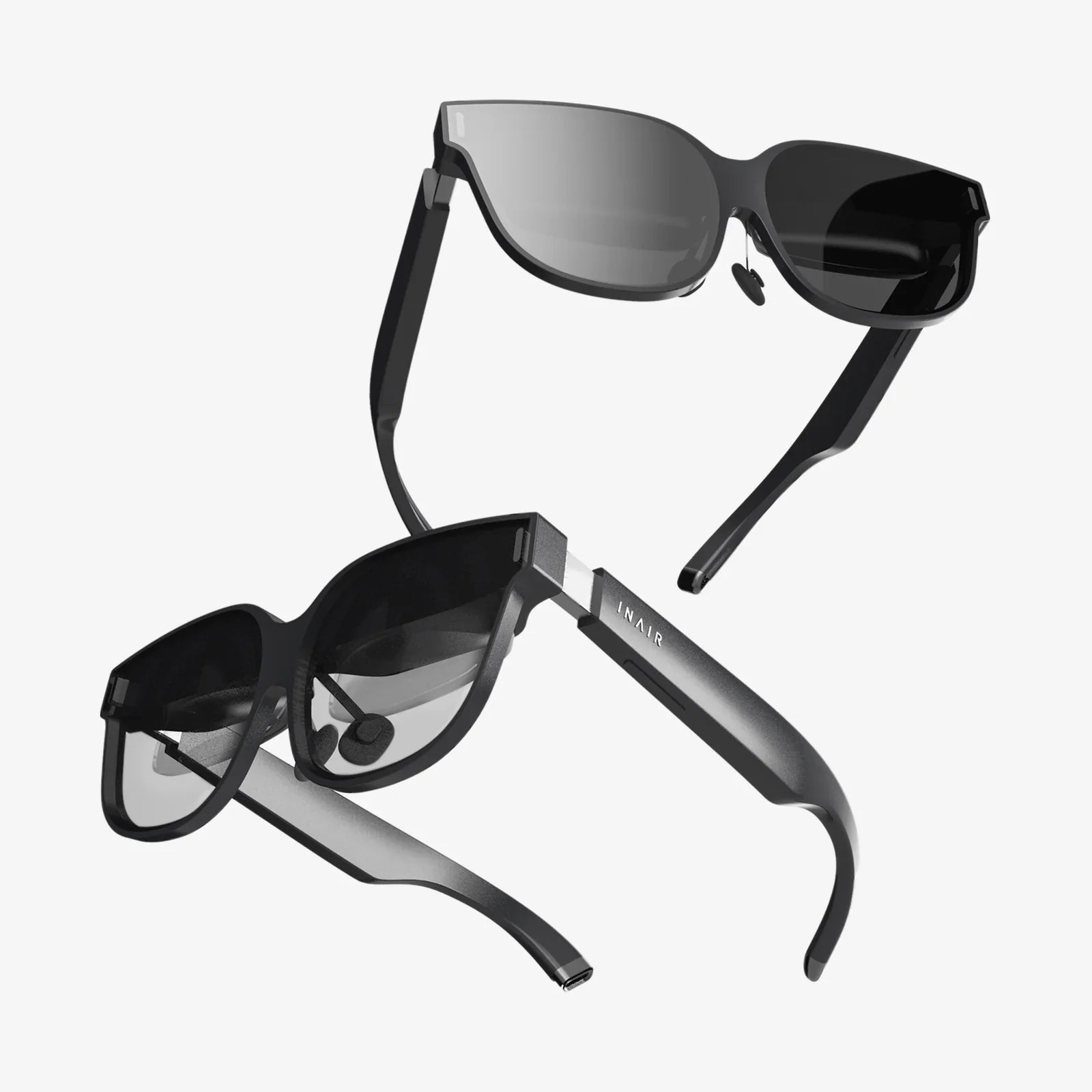
The evolution of portable computer devices is far from over. The next frontier is the development of even more intuitive and immersive interfaces. We are already seeing the early stages of a shift from touchscreens to spatial computing, where augmented reality (AR) and virtual reality (VR) headsets act as wearable computers, overlaying digital information onto the physical world or creating entirely new environments.
Flexible and foldable displays promise to further redefine form factors, allowing screens to expand or contract based on need. Advances in battery technology, such as solid-state batteries, could finally solve the anxiety of battery life, offering days of use on a single charge. Furthermore, the integration of more powerful on-device AI will enable truly contextual and personalized experiences, where the device understands not just what you are doing, but why you are doing it and what you might need next.
The end goal is a shift towards invisible computing—where the technology fades into the background, and the human experience moves to the foreground. The device itself may become less conspicuous, embedded in our glasses, our clothing, or our environment, but its role as our primary gateway to the digital world will only become more profound.
The revolution started not with a bang, but with a quiet hum from a pocket. These portable computer devices have woven themselves into the very fabric of our existence, becoming extensions of our minds, our memories, and our social selves. They have empowered billions, disrupted centuries-old industries, and connected humanity in ways previously unimaginable. Yet, this power comes with a profound responsibility—to harness it for good, to mitigate its harms, and to consciously shape the future it is hurtling us toward. The device in your hand is more than a product; it's a portal, and where we take it next is a story we are all writing together.
Share:
3D Virtual Reality Headset Price - A Comprehensive Guide to Cost and Value in 2024
How to Get Infinite Screen Time: The Ultimate Guide to Digital Wellness and Focus