


Imagine stepping through the front door of a home that hasn't yet been built, feeling the scale of the living room, and gazing out of a virtual window at a digitally rendered sunrise. This is no longer the stuff of science fiction; it’s the powerful, tangible reality forged at the intersection of 3D visualization and virtual reality. This dynamic duo is not just enhancing how we see digital content but fundamentally revolutionizing how we experience, interact with, and understand information across a vast spectrum of human endeavor. We are moving from passive observation to active immersion, and the implications are nothing short of profound.
The Foundational Pillars: Understanding the Core Technologies
To appreciate the synergy, one must first understand the distinct roles of each component. 3D visualization is the sophisticated art and science of creating graphical content using 3D software. It is the process of generating a photorealistic or stylized image or animation from a digital model. This discipline involves meticulous modeling, texturing, lighting, and rendering to produce visuals that can accurately represent a future product, building, or environment. For decades, 3D visualization has been the gold standard for pre-visualization, allowing architects to present designs to clients and marketers to showcase products long before they exist physically.
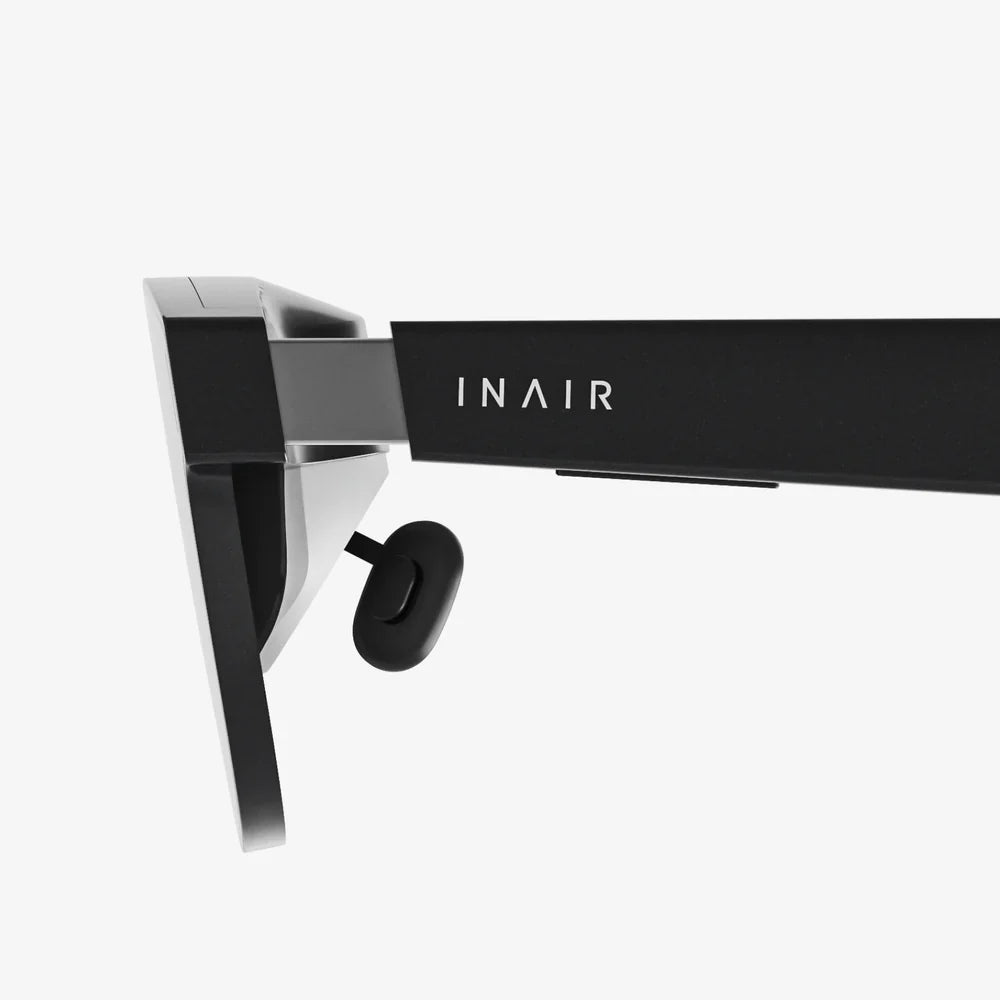
Virtual reality (VR), on the other hand, is the technology that creates a simulated, immersive environment. Using a head-mounted display (HMD) and motion-tracking sensors, VR shuts out the physical world and places the user inside a computer-generated one. It is the ultimate interface for presence—the convincing feeling of being somewhere else. While 3D visualization creates the digital assets, VR provides the vehicle to navigate and experience them from a first-person perspective, transforming a static preview into a dynamic, explorable world.
A Symbiotic Relationship: Where 3D Assets Meet Immersive Experience
The true magic happens when these two fields converge. High-fidelity 3D visualizations form the bedrock of compelling virtual reality experiences. A poorly modeled or textured asset will break immersion instantly in VR, where every detail is scrutinizable. Conversely, VR gives 3D visualizations a purpose and utility far beyond a rendered image on a screen. It answers the question, "What can we do with this beautiful model?" The answer is: we can step inside it.
This synergy is powered by game engines, which have become the unsung heroes of this technological marriage. These powerful platforms can import intricate 3D models and, crucially, render them in real-time. Unlike traditional rendering, which can take hours or days to produce a single frame, real-time rendering generates images instantaneously, reacting to the user's movements and inputs. This is the technical prerequisite for a seamless and comfortable VR experience, allowing users to look around and move through the digital space without lag or disorientation.
Transforming Industries: The Practical Applications
The application of 3D-visualisierung virtual reality is disrupting traditional workflows and creating new paradigms across numerous sectors.
Architecture, Engineering, and Construction (AEC)
In the AEC industry, the impact is seismic. Clients are no longer expected to decipher complex blueprints or 2D floor plans. Instead, they can don a headset and take a full-scale walkthrough of their future office, home, or factory. This immersive design review process allows for unparalleled understanding of spatial relationships, material choices, and lighting conditions. Stakeholders can identify potential design flaws, experiment with different finishes in real-time, and make informed decisions before a single foundation is poured, saving enormous amounts of time and capital on costly changes during construction.
Product Design and Manufacturing
From automotive to consumer goods, designers are using VR to prototype and test products in a virtual space. A team of engineers spread across the globe can collectively examine a full-scale 3D model of a new engine prototype, discussing components and identifying interference issues as if they were standing in the same room. This virtual prototyping drastically reduces the need for physical models, accelerating the design cycle and fostering more collaborative, efficient workflows.
Healthcare and Medical Training
The field of medicine is leveraging this technology for both education and treatment. Medical students can practice complex surgical procedures on detailed 3D visualizations of human anatomy, making mistakes and learning without any risk to a patient. Furthermore, VR is being used for therapeutic purposes, such as exposure therapy for patients with phobias or PTSD, by creating controlled, immersive environments tailored to a patient's specific needs.
Retail and E-Commerce
The future of shopping is immersive. Imagine virtually trying on clothes, placing true-to-scale 3D models of furniture into your living room to see if they fit, or exploring a digital showroom for a new car, customizing its color and interior from the comfort of your home. 3D-visualisierung virtual reality bridges the gap between the convenience of online shopping and the confidence of a physical in-store experience, reducing purchase hesitation and product returns.
Culture and Heritage Preservation
Museums and historians are creating breathtakingly accurate VR reconstructions of ancient sites and artifacts. People can explore the pyramids of Giza, walk through a reconstructed Roman villa, or examine a fragile historical artifact from every angle, all without causing any wear and tear or needing to travel. This democratizes access to cultural heritage and provides an educational tool of immense power and engagement.
The Human Factor: Benefits Beyond the Bottom Line
While the economic and efficiency benefits are clear, the human-centric advantages are equally significant.
- Enhanced Communication and Collaboration: VR creates a universal language. A complex design or concept can be understood intuitively through experience, bypassing linguistic or technical barriers. Remote teams can meet inside a virtual model, pointing, annotating, and collaborating as avatars within the shared space.
- Empathy and Understanding: VR's power to induce empathy is well-documented. Architects can use it to experience a space from the perspective of a wheelchair user, ensuring designs are truly accessible. Urban planners can simulate the experience of a new public space, gauging its feel and flow before it's built.
- Superior Training and Education: The immersive, hands-on nature of VR leads to higher knowledge retention and skill acquisition compared to traditional learning methods. From training mechanics to safely practice on virtual machinery to allowing history students to "visit" ancient civilizations, the educational potential is boundless.
Navigating the Challenges: The Path to Widespread Adoption
Despite its promise, the widespread integration of 3D-visualisierung virtual reality faces hurdles. The cost of high-end hardware, while decreasing, can still be a barrier for smaller firms. There is also a necessary investment in new skills; artists and designers must learn the specifics of optimizing 3D assets for real-time engines and VR. Furthermore, issues of user comfort, such as motion sickness for some individuals, remain an area of active research and development. Finally, creating truly high-fidelity, interactive experiences requires significant computational power, demanding robust hardware infrastructure.
The Future is Immersive: What Lies on the Horizon
The evolution of this technology is accelerating. We are moving towards hyper-realistic visuals powered by real-time ray tracing, which simulates the physical behavior of light to achieve unparalleled realism. The integration of haptic feedback technology will allow users to not only see a virtual object but also feel its texture and weight. The concepts of the "digital twin"—a perfect virtual replica of a physical asset, system, or process—will become standard, allowing for real-time monitoring, simulation, and optimization of everything from city infrastructure to global supply chains.
As the technology becomes more accessible, affordable, and powerful, we will see its application expand into every corner of our professional and personal lives. The line between the digital and the physical will continue to blur, giving rise to new forms of creativity, communication, and experience.
The fusion of 3D visualization and virtual reality is more than a technical upgrade; it’s a fundamental shift in our relationship with digital information. It empowers us to not just see a design but to inhabit it, to not just review a plan but to experience its consequences, and to not just imagine the future but to walk through it today. This is the promise of a truly immersive digital world, and it’s a journey that is only just beginning. The door to these limitless virtual realms is now open, waiting for you to take that first step inside and explore the impossible made perceptible.
Share:
Virtual Reality Based Interactive Visualization: The Next Frontier of Human-Computer Interaction
What Do I Need For Virtual Reality: The Ultimate 2024 Starter Guide