


Imagine slipping on a headset and being instantly transported. Not to a pixelated, dream-like approximation of a place, but to a reality so sharp, so vivid, and so breathtakingly real that your brain struggles to accept it's a simulation. This is the promise, the allure, and the revolutionary leap of 4K VR. It’s more than just an incremental upgrade; it’s the key that unlocks the true potential of virtual reality, moving us from a novel tech demo to a genuine window into other worlds. The journey to this point has been rapid, but the destination is where the magic truly begins.
The Resolution Revolution: Seeing is Believing
At its core, 4K VR refers to virtual reality headsets that utilize displays with a resolution of approximately 3840 x 2160 pixels per eye, or a combined resolution that meets or exceeds the 4K Ultra High Definition (UHD) standard. But to simply call it a numbers game is to miss the point entirely. This resolution threshold represents a critical juncture in visual fidelity.
Early VR pioneers were plagued by the infamous "screen door effect" (SDE). This was the visible grid of fine lines between pixels, a constant reminder that the user was looking at a screen mere centimeters from their face. It was the single biggest barrier to immersion, pulling users out of the experience at the most critical moments. 4K resolution, coupled with advanced lens technology and higher pixel density (measured in pixels per inch, or PPI), effectively shatters this barrier. The pixels become indistinguishable to the human eye at a normal viewing distance, seamlessly blending together to form a continuous, coherent image. Text becomes crisp and readable without squinting, distant objects in a virtual landscape gain definition, and the entire digital canvas feels solid and tangible.
Beyond the Pixels: The Complete Sensory Package
However, a pristine image is only one part of the immersion puzzle. For 4K VR to deliver on its promise, it must be part of a holistic ecosystem of technologies working in concert.
Field of View (FoV): Expanding the Window
Resolution means little if it's viewed through a narrow keyhole. Field of View is the extent of the observable world seen at any given moment. Wider FoVs, often exceeding 100 degrees, are crucial for peripheral immersion, making the virtual environment feel expansive and natural rather than like looking through a pair of binoculars. The challenge for engineers is to increase FoV without introducing distortion or compromising on that precious pixel density.
Refresh Rate: The Fluidity of Motion
A high-resolution image that stutters or tears is a recipe for discomfort. Refresh rate, measured in Hertz (Hz), dictates how many times per second the image on the screen is updated. Higher refresh rates—90Hz, 120Hz, and now even 144Hz—are essential for creating smooth, fluid motion. This is critically important for preventing VR-induced motion sickness, as it reduces latency (the delay between your head moving and the image updating) and ensures the virtual world reacts instantaneously to your actions. A 4K image running at 120Hz is a buttery-smooth experience that feels incredibly responsive and real.
Tracking and Controllers: Bridging the Physical Divide
Immersion is broken the moment your virtual hand doesn't follow your real one. Precision inside-out tracking, where cameras on the headset itself map the environment and track controller movement, has become the gold standard. It allows for untethered freedom and translates your real-world gestures into the digital space with astonishing accuracy. Haptic feedback in controllers further deepens this connection, providing tactile sensations that sell the illusion of touching a virtual object.
The Ripple Effect: Industries Transformed by 4K VR
The impact of high-fidelity VR extends far beyond the realm of entertainment. It is poised to become a fundamental tool across numerous professional fields.
Education and Training: Learning by Doing
Imagine medical students performing delicate virtual dissections or practicing complex surgical procedures with zero risk. Engineers and architects can walk clients through photorealistic 3D models of unbuilt structures, making changes in real-time. Historical events can be experienced firsthand, and dangerous training scenarios for firefighters, pilots, or soldiers can be simulated with complete safety. 4K VR makes these experiences credible and effective, as every detail is visible and the sense of "being there" is absolute.
Healthcare and Therapy: Healing Through Immersion
The therapeutic applications are vast. 4K VR is being used for exposure therapy, helping patients with phobias confront their fears in controlled, hyper-realistic environments. It’s a powerful tool for pain management, distracting the brain with immersive experiences that can reduce the perception of chronic pain. Physical rehabilitation can be gamified, making repetitive exercises more engaging and allowing therapists to monitor progress in simulated real-world conditions.
Remote Collaboration and the Virtual Workspace
The concept of the "metaverse" for work is gaining traction. Instead of a flat video call, teams from across the globe can meet in a shared virtual office, interacting with 3D models, whiteboards, and data visualizations as if they were in the same room. The clarity of 4K ensures that shared documents and designs are perfectly legible, making collaboration not just possible, but productive and intuitive.
Social Connection and Storytelling
Social VR platforms are evolving into vibrant communities where people can meet, watch events, play games, and simply hang out. The nuance of body language and facial expression, when captured by advanced avatars, creates a sense of presence that video calls cannot match. For filmmakers and artists, 4K VR is a new canvas for immersive storytelling, placing the audience directly inside the narrative, able to look around and explore the story world at their own pace.
The Hurdles on the Path to Perfection
Despite its incredible potential, the widespread adoption of 4K VR faces significant challenges that the industry is actively working to overcome.
The computational power required to render two separate 4K images at high frame rates is immense. It demands high-end graphics hardware, which represents a substantial investment for the average consumer. This creates a barrier to entry that must be lowered through both more efficient software rendering techniques and more affordable, powerful hardware.
Content remains king. The library of experiences built natively for 4K VR must continue to grow to justify the hardware. Developers need to create compelling software that leverages the technology not as a gimmick, but as an integral part of the experience.
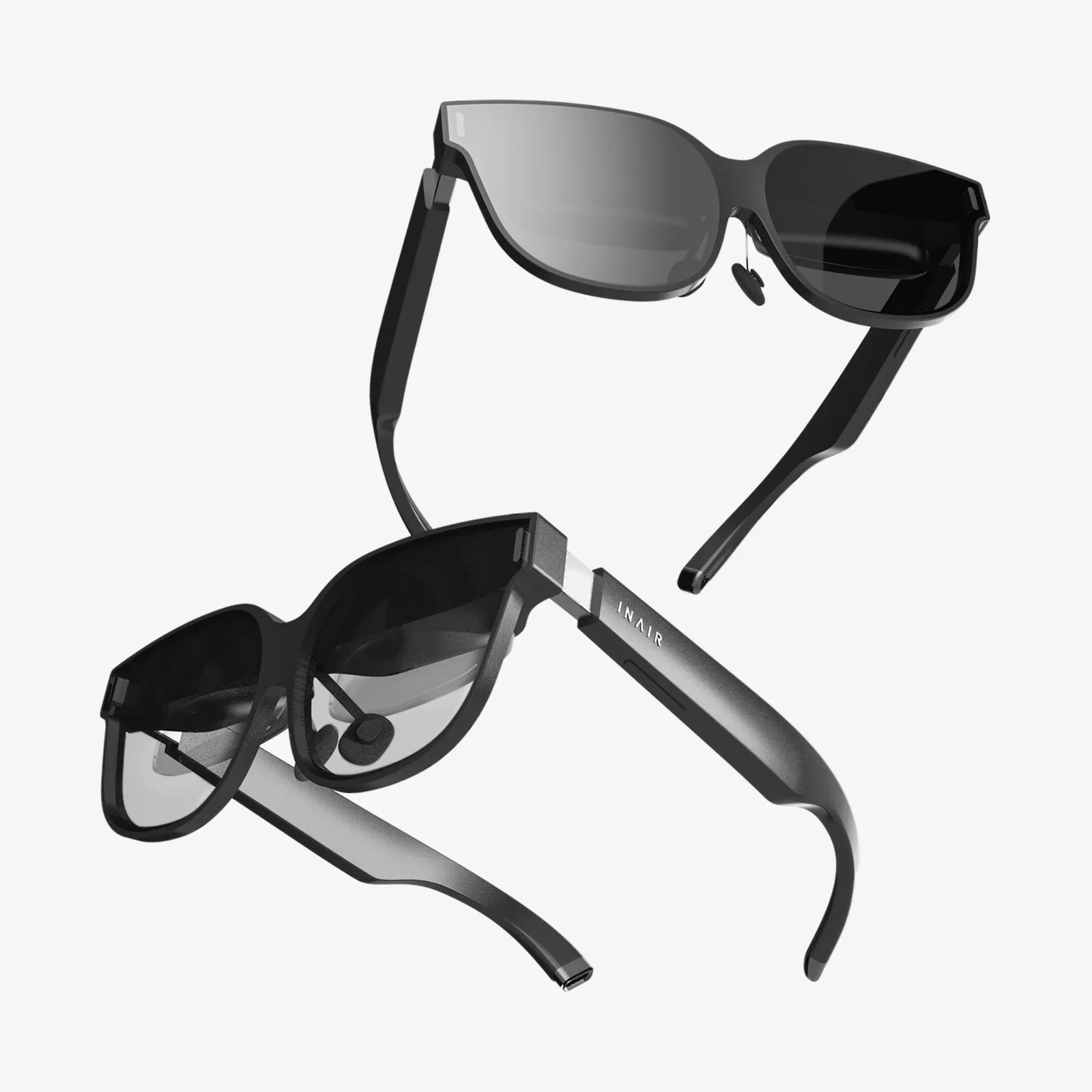
Finally, the form factor itself is evolving. Future headsets aim to be lighter, more comfortable for extended wear, and eventually, as unobtrusive as a pair of sunglasses, all while packing in ever more advanced displays and sensors.
Gazing into the Crystal Ball: What Comes After 4K?
If 4K is the key to immersion, then what lies beyond is the path to perfection. The industry is already looking toward 8K resolutions, which will push pixel density to levels where displays effectively match the resolving power of the human eye. Varifocal lenses that dynamically adjust to where the user is looking will solve the vergence-accommodation conflict, a visual discrepancy that can cause eye strain. The integration of eye-tracking will enable foveated rendering—a revolutionary technique that focuses rendering power only on the spot where the user is directly looking, dramatically reducing the GPU load and making high resolutions more achievable. Haptic suits and advanced neural interfaces will eventually engage our senses of touch and beyond, completing the sensory illusion.
The leap to 4K VR is not just a step forward; it's a gateway. It’s the threshold beyond which the digital ceases to feel digital and starts to feel real. It’s the resolution that finally allows the technology to fade into the background, letting the experience take center stage. We are moving beyond simply viewing content and toward the dawn of truly living within it. The screen door has been kicked down, and the vast, breathtaking landscape of the virtual world is now waiting, in stunning clarity, for us to step through and explore.
Share:
Latest Hologram Technology: Beyond Sci-Fi and Into Our Reality
Control Glasses: The Future of Vision is Interactive and Intelligent