


- by wangfred
5 Types of Wearable Technology That Are Reshaping Our Daily Lives
- by wangfred
Imagine a world where your watch not only tells time but also saves your life, your glasses overlay digital information onto the physical world, and your clothing monitors your muscle activity during a workout. This isn't a scene from a science fiction movie; it's the reality we live in today, powered by the explosive growth of wearable technology. These devices are breaking down the barriers between our physical selves and digital data, creating a seamless interface that enhances, informs, and protects our daily existence. The journey into this integrated future begins with understanding the diverse ecosystem of wearables that are already on the market, quietly revolutionizing everything from healthcare to how we connect with one another.
Arguably the most recognizable and widely adopted form of wearable technology, wrist-worn devices have evolved far beyond their timekeeping origins. They have become our personal assistants, fitness coaches, and health guardians, all strapped conveniently to our wrists.
The most common iterations include smartwatches and fitness trackers. These devices are packed with an array of sensors that collect a continuous stream of biometric and environmental data. Accelerometers and gyroscopes track movement, counting steps, measuring distance traveled, and gauging the intensity of physical activity. Optical heart rate sensors use LED lights to detect blood volume changes under the skin, providing continuous pulse monitoring. Many modern devices also include sensors for measuring blood oxygen saturation (SpO2), electrocardiogram (ECG) capabilities to assess heart rhythm, and even advanced sleep tracking to analyze sleep stages and quality.
The applications are vast. For the fitness enthusiast, these devices provide actionable feedback to optimize workouts and track progress over time. In the realm of health, they offer unprecedented insights into our well-being, potentially alerting users to irregular heart rhythms or significant changes in vital signs that warrant medical attention. Furthermore, they serve as a notification hub, keeping users connected to their smartphones for calls, messages, and app alerts without having to constantly reach for their phone. This category's success lies in its perfect balance of functionality, accessibility, and non-intrusive design, making it the gateway drug into the wider world of wearable tech.
This category focuses on wearables that augment our primary senses of hearing and sight, either by enhancing natural capabilities or by adding a layer of digital information.
Smart Audio Devices: This goes beyond simple wireless earbuds for music playback. Modern smart earbuds are becoming powerful computing platforms. They feature active noise cancellation (ANC) to create personal zones of silence in noisy environments, and transparency modes that amplify ambient sounds when needed. Integrated voice assistants allow for hands-free control, and advanced models are incorporating features like real-time language translation, hearing enhancement for those with mild auditory impairment, and biometric tracking through in-ear sensors. They are discrete, powerful, and deeply integrated into our daily audio experience.
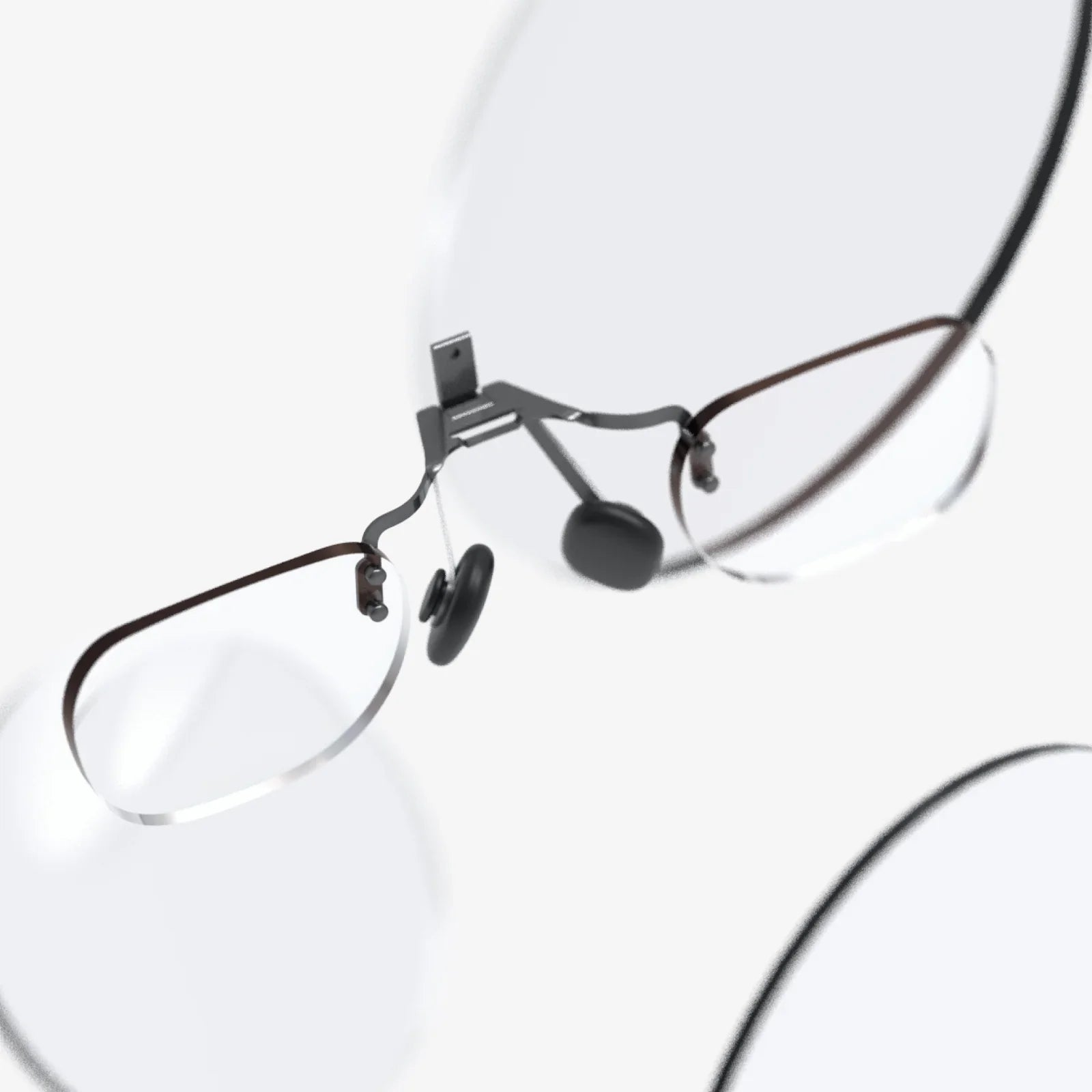
Smart Glasses and Augmented Reality (AR) Headsets: This represents the cutting edge of visual wearables. Unlike virtual reality (VR) which creates a fully immersive digital environment, AR overlays digital information—such as graphics, text, and data—onto the user's view of the real world. Consumer-focused smart glasses might display notifications, navigation directions, or translation subtitles directly in the line of sight. In professional and industrial settings, the impact is even more profound. Technicians can see schematics overlaid on the machinery they are repairing, surgeons can access patient data without looking away from the operating table, and warehouse workers can see picking lists and inventory information hands-free, drastically improving efficiency and accuracy. While consumer adoption is still growing, the potential for AR wearables to change how we interact with information is monumental.
Moving beyond accessories, wearable technology is being woven directly into the very clothes we wear. This category, known as smart clothing or e-textiles, integrates sensors and conductive threads into garments, making the functionality inseparable from the fabric itself.
The goal is to provide biometric monitoring in a completely unobtrusive way. A smart shirt can accurately measure respiratory rate, heart rate, and heart rate variability across the entire torso, providing a more comprehensive dataset than a wrist-worn device. Smart socks can analyze a runner's gait, foot strike, and balance. Yoga pants can monitor posture and form during practice. The sensors are laundered with the clothing and powered by small, removable battery packs or even through kinetic energy generated by movement.
The applications extend beyond fitness into health monitoring for patients with chronic conditions, safety for industrial workers (monitoring for fatigue or exposure to harmful substances), and even athletic performance at the professional level. The challenge has been durability, cost, and the practicality of charging clothing, but advancements in material science are steadily overcoming these hurdles. Smart fabrics represent the future of truly passive and continuous health monitoring, where data collection requires no conscious effort from the user.
This category encompasses wearables designed with a specific and often critical health purpose. They are typically developed with medical-grade accuracy and may require regulatory approval. Their primary function is to manage, monitor, or improve a specific health condition.
This includes continuous glucose monitors (CGMs) for diabetics, which use a small sensor inserted under the skin to measure glucose levels in interstitial fluid, transmitting readings to a receiver or smartphone app every few minutes. This eliminates the need for frequent finger-prick tests and provides a dynamic view of glucose trends. Other examples include wearable ECG patches that patients wear for weeks at a time to detect intermittent cardiac arrhythmias, connected blood pressure monitors, and smart inhalers for asthma patients that track usage and environmental triggers.
These devices are empowering patients to take a more active role in managing their health, providing doctors with rich, long-term data for better diagnosis and treatment plans, and enabling remote patient monitoring, which can reduce hospital visits and allow for earlier interventions. The line between consumer health wearables and certified medical devices is blurring, signaling a shift towards more proactive and personalized healthcare.
The innovation in wearable technology is not confined to the body's core. A vibrant ecosystem of specialized devices has emerged for specific parts of the body and specific use cases.
Smart Rings: These tiny devices pack sensors for activity tracking, heart rate monitoring, and sleep analysis into a minimalist form factor. Their primary advantage is their passivity; they are comfortable to wear 24/7, even during sleep, and are less obtrusive than a watch. They are particularly popular for their advanced sleep tracking capabilities.
Smart Footwear: These are shoes with embedded sensors that can track steps, distance, and pace. More advanced models can analyze running form, measure the weight distribution on each foot, and even provide haptic feedback for navigation, subtly vibrating the left or right foot to indicate a turn.
Head-Mounted Displays (HMDs): Primarily used for virtual reality (VR) and augmented reality (AR) experiences, these devices immerse users in digital worlds or superimpose digital content onto the real world for gaming, training simulations, design, and remote collaboration.
Wearable Cameras: Often used as body cameras for security personnel or for capturing a first-person perspective in extreme sports, these devices are designed for hands-free recording and live streaming.
This diverse category demonstrates how wearable technology is being tailored to fit every conceivable lifestyle and professional need, offering specialized functionality that broader devices cannot provide.
The true power of these 5 types of wearable technology lies not in their isolated functions but in their potential to connect and create a holistic digital portrait of an individual. Imagine data from your smart shirt informing your smartwatch to recommend a recovery period, or your smart glasses displaying your real-time glucose levels from your CGM. This interconnected ecosystem, the Internet of Bodies, promises a future of hyper-personalized insights, predictive health, and a fundamentally new way to interface with the digital world. The revolution isn't coming; it's already on your wrist, in your ears, and woven into the fabric of your life, waiting for you to tap into its potential.
Share:
Best Digital Products to Buy: A Curated Guide for the Modern Life
Entire Wearable Market: From Fitness Bands to a Connected Future