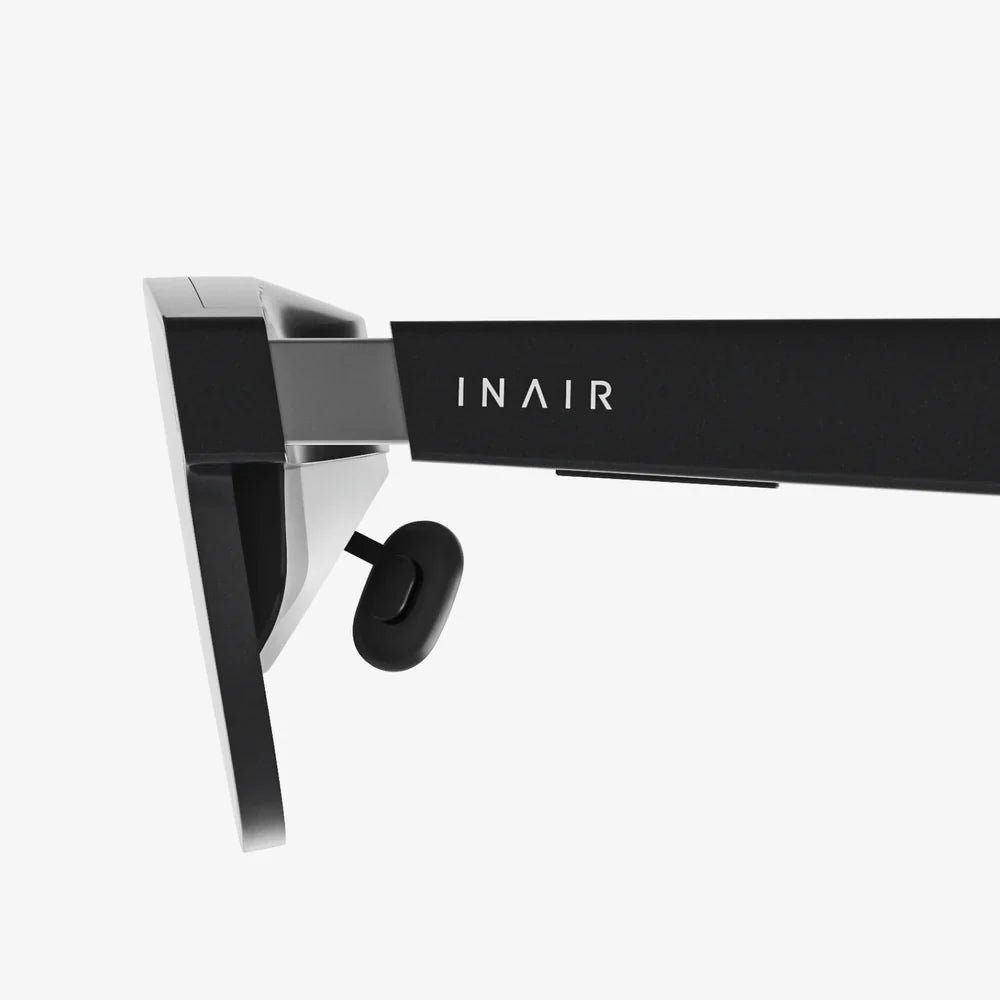
The hum of innovation is no longer confined to our pockets or desks; it has moved onto our wrists, into our ears, and even woven into the very fabrics we wear. The entire wearable market represents one of the most dynamic and personal frontiers in technology, a sector that has exploded from a niche for fitness enthusiasts into a global phenomenon touching nearly every aspect of modern life. This is not just about counting steps anymore; it’s about a fundamental shift in how we interface with data, manage our well-being, and connect with the world around us. To understand the entire wearable market is to map the future of personal technology itself, a future that is strapped on, slipped in, and worn out.
The Meteoric Ascent: From Niche to Necessity
The story of the entire wearable market is one of rapid, almost dizzying, evolution. While the concept of wearable technology has existed in science fiction and rudimentary forms for decades, its commercial explosion is a 21st-century tale. The market's genesis can be traced to simple pedometers and early heart rate monitors, tools used primarily by athletes and health professionals. These devices provided a glimpse of what was possible but were limited by clunky interfaces, poor battery life, and a lack of connectivity.
The true catalyst for the entire wearable market was the smartphone revolution. The proliferation of powerful, connected handheld computers created a perfect ecosystem for wearables to thrive. Smartphones provided the necessary processing hub, constant internet connection, and a familiar app-based interface that wearables could leverage. Furthermore, the miniaturization of sensors—accelerometers, gyroscopes, optical heart rate sensors, and GPS chips—made it feasible to pack incredible capability into a device small enough to wear comfortably all day.
The release of early mainstream smartwatches and fitness trackers ignited public interest. Suddenly, tracking daily activity became a social, gamified experience. This initial wave was dominated by devices focused almost exclusively on health and fitness metrics. They democratized data that was once available only in a lab or doctor's office, putting the power of quantified self into the hands of millions. This foundational period established the core value proposition of the entire wearable market: continuous, convenient, and personalized data acquisition.
Deconstructing the Ecosystem: A Market of Segments
The entire wearable market is not a monolith; it is a diverse and sprawling ecosystem comprised of distinct segments, each serving different needs and user preferences. Understanding these categories is key to grasping the market's full scope.
Wrist-Worn Dominance: Smartwatches and Fitness Trackers
This category is the undisputed king of the entire wearable market, accounting for the largest share of shipments and revenue. It is itself divided into two key sub-segments:
- Smartwatches: These are advanced, multi-purpose devices that serve as an extension of the smartphone. They feature touchscreens, run operating systems, support third-party apps, and handle notifications, calls, and messages. Their focus has broadened significantly from fitness to encompass communication, productivity, contactless payments, and mobile connectivity independent of a phone.
- Fitness Trackers (or Activity Bands): These devices are more focused and utilitarian. They prioritize battery life (often lasting weeks on a single charge) and core health metrics like step counting, sleep tracking, and heart rate monitoring. They typically feature simpler, non-touch displays and are offered at a more accessible price point, making them a popular entry point into the wearable market.
Hearables: The Sound of Intelligence
This rapidly growing segment consists of smart headphones and earphones. They have evolved far beyond simple audio playback. Modern hearables feature active noise cancellation (ANC), immersive spatial audio, and, most importantly, integrated smart assistants. Users can interact with their phone, get translations, receive read-out notifications, and control music through voice commands, all hands-free. Their form factor offers a discreet and always-available interface, making them a critical part of the entire wearable market's expansion.
Smart Apparel and Footwear: Weaving Technology into Fabric
Perhaps the most futuristic segment involves embedding sensors directly into clothing and shoes. This includes biometric shirts that monitor respiration and muscle activity, smart running shoes that analyze gait and form, and socks that track foot pressure. This category promises a truly seamless and invisible form of wearable technology, moving beyond an accessory to become part of the garment itself. While still emerging, it holds immense potential for professional sports, healthcare, and everyday wellness.
Specialized Medical and Enterprise Devices
Beyond consumer gadgets, a significant portion of the entire wearable market is dedicated to specialized applications. This includes:
- Clinical-Grade Wearables: FDA-approved devices for remote patient monitoring (RPM). These allow healthcare providers to continuously track vital signs like ECG, blood glucose, blood pressure, and blood oxygen saturation in patients with chronic conditions, enabling proactive care and reducing hospital readmissions.
- Enterprise and Industrial Wearables: Devices designed for the workforce. This includes augmented reality (AR) smart glasses for technicians to view schematics hands-free, wearable cameras for police officers, and exoskeletons in warehouses to assist with lifting heavy objects, reducing fatigue and preventing injury.
The Engine of Growth: Key Market Drivers
Several powerful forces continue to propel the entire wearable market forward, ensuring its growth is not a temporary fad but a long-term trend.
- Rising Health Consciousness: A global focus on preventive healthcare and wellness is the primary driver. Consumers are increasingly proactive about managing their health, and wearables provide the continuous data needed to inform lifestyle choices, from sleep hygiene to exercise intensity.
- Advancements in Sensor Technology and AI: Sensors are becoming smaller, more accurate, more power-efficient, and capable of measuring a wider range of biometrics. Crucially, artificial intelligence and machine learning are the magic ingredients that turn raw sensor data into actionable insights, like detecting atrial fibrillation, estimating stress levels, or providing personalized workout coaching.
- The Expansion of 5G and Enhanced Connectivity: Faster, lower-latency networks like 5G enable more advanced wearable applications, particularly for AR glasses and independent smartwatches, allowing them to process and transmit large amounts of data in real-time without being tethered to a phone.
- The Aging Global Population: The growing number of older adults is driving demand for remote patient monitoring solutions. Wearables offer a way to support independent living while providing peace of mind to families and caregivers by detecting falls, monitoring vital signs, and enabling easy calls for help.
Navigating the Hurdles: Challenges and Consumer Concerns
Despite its promise, the entire wearable market faces significant headwinds that it must overcome to achieve universal adoption.
- Battery Life Limitations: The constant tension between adding powerful features and maintaining all-day (or multi-day) battery life remains a major pain point. Consumers are often forced to choose between functionality and not having to charge yet another device every night.
- Data Privacy and Security: Wearables collect the most intimate data possible: real-time information about our bodies, locations, and daily habits. This creates a massive target for cyberattacks and raises serious questions about how this data is stored, used, and potentially sold by companies. Robust cybersecurity and transparent data policies are non-negotiable for building trust.
- Accuracy and Regulatory Scrutiny:
As wearables make more health claims, they are attracting increased attention from regulatory bodies like the U.S. Food and Drug Administration (FDA). The difference between providing general "wellness" information and making a clinical-grade "diagnostic" claim is vast. Ensuring the accuracy and clinical validity of health sensors is a complex and costly challenge that the industry must address head-on.
- Market Saturation and Differentiation: In segments like basic fitness trackers, the market is becoming crowded. Many devices offer similar features, leading to competition primarily on price, which can stifle innovation. Companies must find new ways to differentiate through unique software, AI insights, design, and specialized health features.
Glimpsing the Horizon: The Future of Wearables
The entire wearable market is on the cusp of its next major transformation. The devices of the future will be more integrated, more intelligent, and more invisible.
- The Rise of Ambient Computing: The goal is for technology to fade into the background of our lives. Future wearables will act as passive, always-on interfaces to our digital world, providing information and taking actions contextually without requiring active engagement. Your hearables might whisper your next calendar appointment as you walk out the door, or your smart glasses might overlay navigation arrows directly onto the street in front of you.
- Advanced Health Diagnostics: The holy grail is non-invasive, continuous monitoring of a wide array of clinical biomarkers. Research is ongoing into sensors that can measure blood glucose, alcohol levels, hydration, and even early signs of infection through sweat, saliva, or light-based spectroscopy. This would represent a revolutionary leap in personalized medicine.
- Brain-Computer Interfaces (BCIs): Moving beyond the body to interface directly with the brain is the final frontier. While still in early stages, companies are developing wearables that can interpret neural signals, potentially allowing users to control devices with their thoughts, restore function to paralyzed individuals, or enhance cognitive abilities.
- Seamless Form Factors: The future of wearables lies in true integration. Think of smart contact lenses with built-in displays, epidermal electronic tattoos that adhere to the skin like a temporary tattoo, and clothing with sensors woven directly into the fibers, eliminating the need for a separate device altogether.
We are steadily moving towards a world where technology is not something we carry, but something we wear—an intimate layer between our bodies and the digital universe. The entire wearable market is the vanguard of this shift, transforming our wrists, ears, and eyes into portals of possibility. The data harvested from these devices will not just tell us about our past performance but will actively guide our future choices, making us healthier, more productive, and more connected than ever before. The next time you glance at your wrist to check a notification or your heart rate, remember, you're not just looking at a gadget; you're witnessing the dawn of a more integrated human experience.

Share:
5 Types of Wearable Technology That Are Reshaping Our Daily Lives
Description of VR: A Journey into the Digital Frontier and Its Transformative Potential