


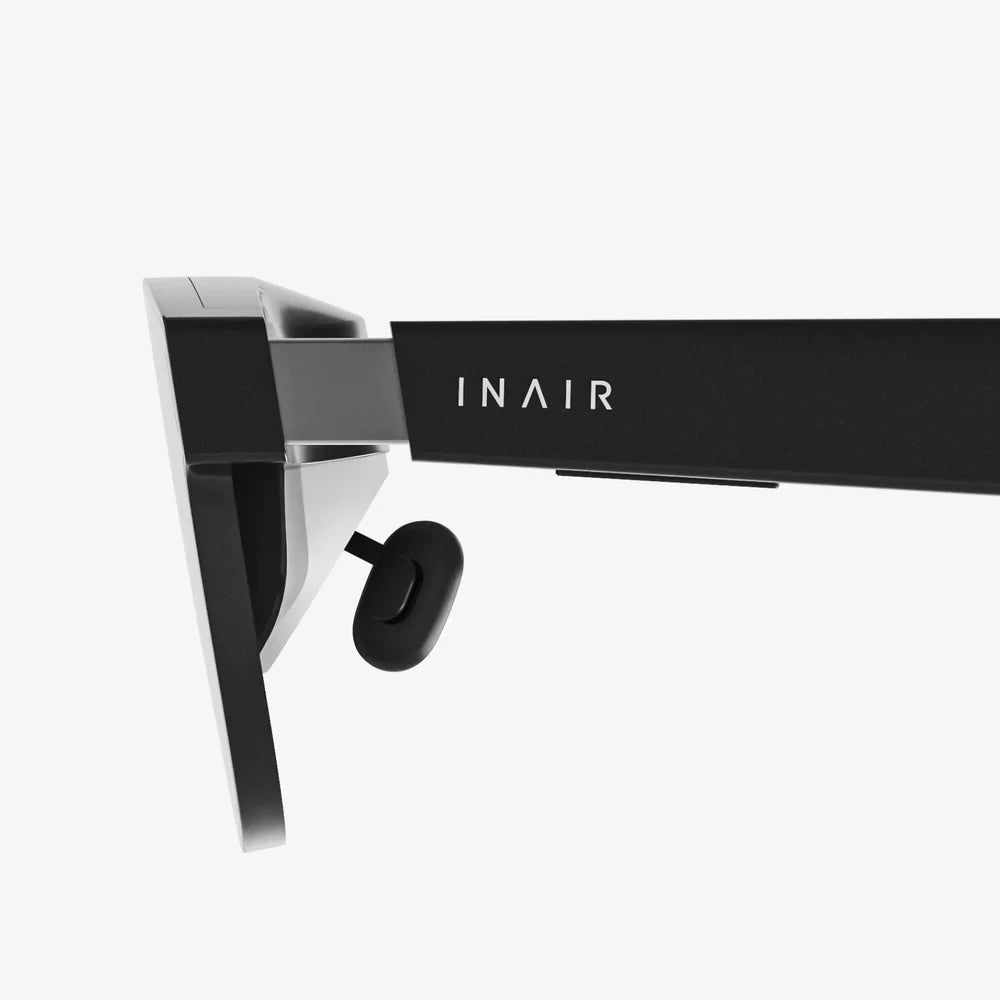
Imagine slipping into a universe of limitless possibility, a portal to other worlds that fits in the palm of your hand and before your eyes. The dream of virtual reality has long been tethered to clunky, expensive, and complex systems, but a quiet revolution is underway, centered on a seemingly mundane specification: the 6.3-inch VR headset. This isn't just another product; it's a paradigm shift, a key that is unlocking the door to mainstream VR adoption by masterfully balancing the intricate equations of optics, ergonomics, and accessibility. The future of immersion is here, and it's precisely measured.
The Goldilocks Zone of Display Technology
In the cosmos of VR, display size is not merely a number—it's the heart of the experience. For years, headset designers wrestled with a fundamental conflict: larger displays could offer broader fields of view but demanded bulkier, heavier optics, while smaller displays often felt restrictive and tunnel-like. The emergence of the 6.3-inch diagonal display size represents a calculated arrival in the "Goldilocks Zone" for consumer-grade VR. It's not too big, not too small, but just right for a new generation of hardware.
This specific size is a direct response to the proliferation of high-resolution smartphone displays, which serve as a perfect, cost-effective core for many standalone and mobile VR solutions. A 6.3-inch panel, typically with a stunning Quad HD or higher resolution, provides an immense pixel density. When this display is bifurcated—split into two 3.15-inch images, one for each eye—it creates a crisp, clear picture that is the first and most crucial step toward believable immersion. The screen-door effect, that distracting grid of lines between pixels that plagued early VR, is dramatically minimized, allowing users to focus on the virtual world, not the technology enabling it.
Engineering the Illusion: Optics and Ergonomics
The magic of a VR headset lies not in the screen itself, but in the complex dance between the display and the sophisticated lens system mere centimeters away. A 6.3-inch display provides optical engineers with a generous canvas to work with. The primary challenge is to take the flat image on this screen and warp it through a series of specialized lenses to create a stereoscopic, 360-degree illusion that feels natural to the human brain.
The larger the display, the farther the edges are from the optical center, which can introduce distortions like chromatic aberration (color fringing) and require more complex, heavier lens assemblies to correct. The 6.3-inch size strikes an elegant balance. It offers ample real estate for a wide field of view, typically between 90 and 110 degrees, which is sufficient to engage our peripheral vision and enhance the sense of presence without pushing optical engineering to its breaking point. This allows for the use of Fresnel lenses or advanced pancake lenses, which are lighter and more compact, directly contributing to the headset's overall form factor.
This is where ergonomics takes center stage. The weight and balance of a headset are paramount to comfort, which is inextricably linked to immersion. A heavyweight, front-heavy device becomes a nagging distraction, a constant reminder of the hardware on your face. By optimizing around a 6.3-inch display, designers can create a more compact optical stack (the distance between the display and the lens). This directly translates to a shallower, lighter, and better-balanced headset that can be worn for extended periods without fatigue, whether you're exploring a virtual museum, battling aliens, or collaborating in a virtual workspace.
The Portal to Everywhere: Content and Accessibility
A technological marvel is useless without a world to explore. The form factor enabled by the 6.3-inch display has become a catalyst for an explosion of content. The accessibility of this hardware tier has democratized VR development. Creators are no longer building exclusively for high-end users with powerful computers and external sensors; they are designing for a massive, growing audience of users with standalone and mobile-ready devices.
This has led to a rich and diverse software ecosystem. From hyper-immersive games that leverage the crisp display for stunning visual detail to practical applications in education, healthcare, and social connection, the content is finally catching up to the promise of VR. Virtual travel, interactive training simulations, and breathtaking 360-degree videos are all elevated by the visual clarity that this standard provides. The headset becomes a true portal—a window to concerts, meeting rooms, historical battlefields, and fantastical landscapes that feel tangible and real.
Beyond Gaming: The Silent Revolution in Everyday Life
While gaming remains a primary driver, the impact of comfortable, high-quality VR extends far beyond entertainment. The 6.3-inch headset is finding profound utility in fields that are only beginning to understand its potential.
- Education: Imagine history students walking through ancient Rome, medical students performing virtual dissections, or astronomy classes navigating the solar system. This size of headset is affordable enough for classroom sets and comfortable enough for extended educational sessions.
- Remote Work and Collaboration: The future of work is remote, and VR is poised to redefine video calls. Instead of staring at a grid of faces, teams can collaborate around a virtual 3D model, brainstorm on an infinite whiteboard, or socialize in a virtual lounge, with a sense of shared presence that flat screens cannot replicate.
- Therapeutic Applications: Therapists are using VR for exposure therapy, treating phobias and PTSD in safe, controlled virtual environments. The visual fidelity is crucial for making these environments believable and effective for patients.
A Glimpse into the Crystal Ball: The Future of the Form Factor
The 6.3-inch standard is not an endpoint; it's a foundational stepping stone. The relentless march of technology will bring even higher-resolution displays, perhaps based on micro-OLED technology, into this same compact form factor, pushing visual fidelity to photorealistic levels. Varifocal lenses, which dynamically adjust to where the user is looking, will integrate with these displays to solve the vergence-accommodation conflict, a key source of eye strain in current headsets.
Furthermore, as augmented reality (AR) and virtual reality (VR) converge into mixed reality (MR), the 6.3-inch display, coupled with high-resolution passthrough cameras, will be the viewport for blending the digital and physical worlds. We will interact with holograms superimposed on our living rooms and access digital information layered over reality, all through a device that is as socially acceptable and comfortable as a pair of sunglasses. This form factor is the crucial bridge to that future.
The journey of VR is a story of making the impossible seem effortless. It's about shrinking supercomputers, bending light, and fooling our senses into accepting a digital dream as reality. The 6.3-inch VR headset is more than a piece of hardware; it is the embodiment of this progress. It represents the moment VR shed its cumbersome skin and learned to be light, accessible, and ready for the world. This specific measurement is the silent hero, the unsung spec that finally made virtual reality feel not just possible, but perfectly natural. The gateway to countless realities now waits, not in a lab, but on a shelf, designed to disappear the moment you put it on.
Share:
Advantages of AR Headset: Transforming Reality for Work and Play
What's Extended Reality? The Ultimate Guide to the Future of Digital Interaction