


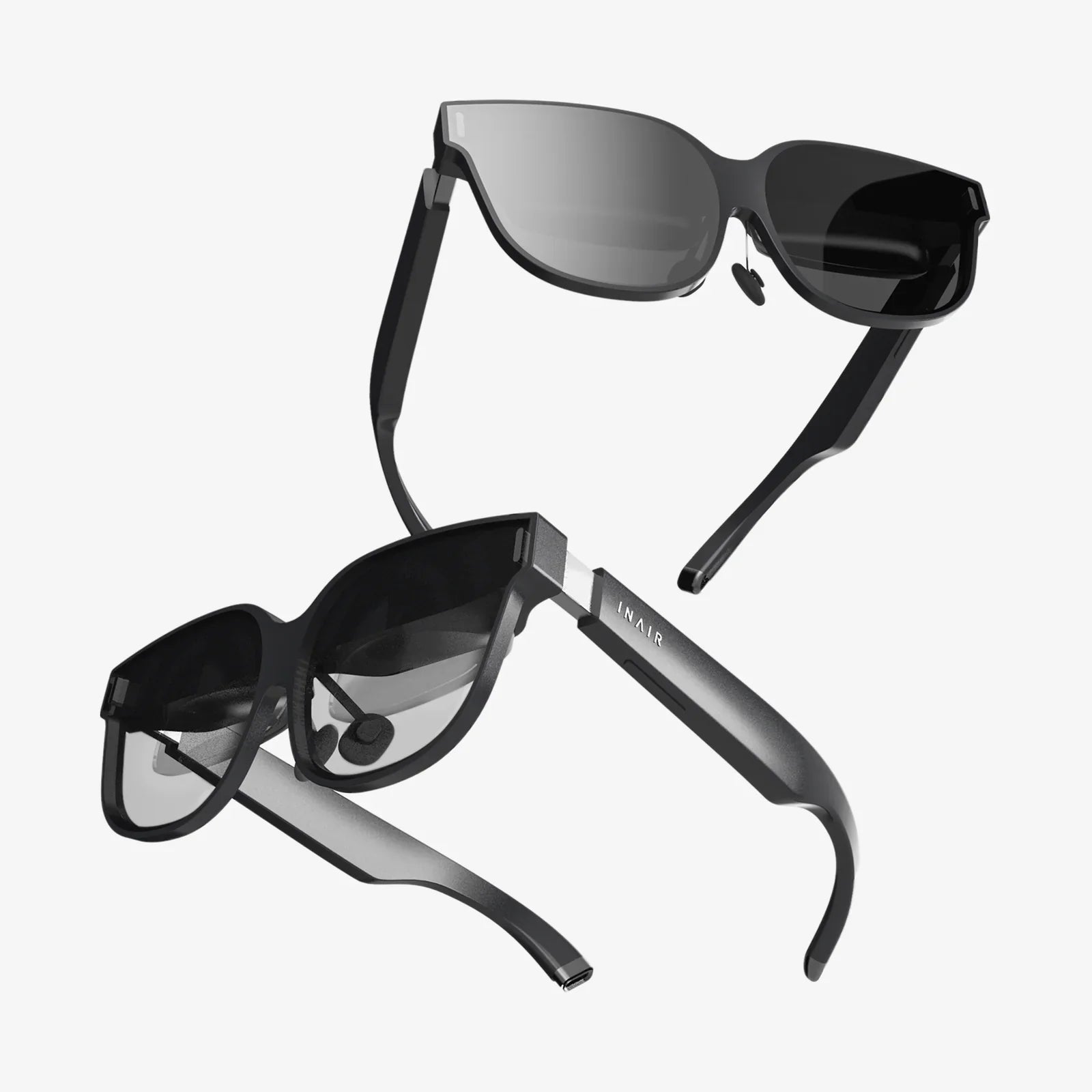
- by wangfred
8 Inch VR Headset: The Unseen Revolution in Immersive Technology
- by wangfred
Imagine slipping on a headset and not just seeing a virtual world, but feeling truly enveloped by it, with a panoramic vista that pushes the very edges of your peripheral vision. This isn't a glimpse into a distant future; it's the compelling promise held within the specific dimensions of an 8 inch VR headset. This particular form factor, often overlooked in a market obsessed with miniaturization, represents a fascinating and critical juncture in the evolution of virtual reality technology. It stands as a bold challenge to the status quo, asking a fundamental question: is smaller always better, or is there a powerful argument for a larger, more expansive window into the metaverse?
At the heart of any virtual reality experience is the concept of presence—the elusive and magical sensation of actually being in the digital environment. Achieving this relies on a complex interplay of software and hardware, but the physical size of the headset's display components plays a more crucial role than most consumers realize. The key metric here is the Field of View (FoV). Measured in degrees, FoV determines how much of the virtual world you can see at any given moment without turning your head.
Traditional consumer headsets have often prioritized compact designs, resulting in FoVs that typically range from 90 to 110 degrees. While immersive, this can often feel like looking at the world through a pair of binoculars or a diving mask; you're aware of the black borders surrounding the image, a constant reminder of the technology between you and the experience. An 8 inch VR headset, by virtue of its larger internal screen or optical assembly, inherently allows for a significantly wider Field of View. We're talking about ranges that push 150 degrees and beyond, dramatically reducing the "goggle effect" and creating a much more natural and believable sightline into the digital realm.
This expanded vista is not just a quantitative change; it's a qualitative leap. In flight simulators, you can see more of your cockpit and the skies around you. In horror games, the dread is amplified as creatures and shadows can creep in from the far edges of your vision. In social applications, reading the body language of an avatar feels more natural because you can see more of them at once. This vastness directly feeds into the brain's willingness to suspend disbelief, making the experience profoundly more convincing and engaging.
A common misconception is that a larger screen size automatically leads to a lower pixel density, resulting in a "screen door effect" where users can see the gaps between pixels. This was a valid concern in the early days of VR. However, advancements in display technology have turned this assumption on its head. The latest iterations of the 8 inch VR headset are leveraging high-resolution displays, often Mini-LED or advanced LCDs, with pixel densities so high that the screen door effect is effectively eliminated.
The advantage of the larger form factor is that it provides a larger canvas for these high-resolution pixels. Instead of cramming an incredible number of pixels into a tiny space—a process that drives up cost and complexity—manufacturers can use a high-resolution 8-inch panel to achieve stunning clarity. This means text is sharper, distant objects are clearer, and the overall image is cleaner and more visually comfortable for extended periods. It's a different approach to solving the clarity problem: one that favors a spacious, crystal-clear window over a small, intensely dense one.
On paper, a larger headset sounds like a recipe for neck strain and discomfort. The reality, however, is often surprisingly different. The philosophy behind many 8 inch VR headset designs isn't to simply make a heavier device, but to make a smarter one. The larger surface area allows for a much more strategic distribution of weight.
Therefore, a well-designed 8 inch model can often feel more comfortable during a multi-hour session than a smaller, front-heavy device that creates a painful "hotspot" on the face.
The modern VR landscape is divided between tethered headsets (powered by a external computer) and standalone units (with all computing power onboard). The 8 inch VR headset form factor finds a particularly compelling niche in the standalone category. The increased internal volume is a gift to engineers, providing precious real estate for a larger battery, a more robust cooling system for a powerful chipset, and higher-fidelity speakers.
This enables a category of device that doesn't require a cable tethering you to an expensive computer, yet offers a visual experience that begins to rival tethered setups. Users gain unparalleled freedom of movement without sacrificing the expansive Field of View and high-resolution clarity that makes VR truly transformative. This makes the form factor ideal for:
Of course, the 8 inch VR headset is not without its compromises. Portability is the most obvious trade-off. These devices require more thoughtful storage and transportation than their ultra-compact counterparts. They are less likely to be something you casually throw in a backpack for a trip. Furthermore, the larger form factor demands more material and more advanced engineering to maintain comfort, which can influence the final cost. Consumers must weigh the unparalleled immersion against the practicality of size and potential price.
The trajectory of technology is famously towards miniaturization. We expect our gadgets to get smaller, faster, and lighter with each generation. The 8 inch VR headset boldly defies this trend, arguing that for true sensory immersion, bigger can indeed be better. It represents a philosophy that prioritizes the quality of the experience above all else, refusing to compromise on the fundamental visual elements that create presence.
As display technology continues to advance with innovations like micro-OLED and pancake lenses, we will see these larger form factors become lighter, more efficient, and even more visually stunning. They may not be for every user or every use case, but they carve out an essential and exciting segment of the VR market. They serve as a powerful reminder that virtual reality is, at its core, about transcending the limits of our physical reality. And sometimes, to create a vast, boundless digital world, you need a equally vast window to look through.
Could the ultimate VR experience be waiting not in a smaller package, but a larger, more ambitious one? The 8 inch VR headset makes a compelling case that the path to true immersion might just require us to think bigger, offering a breathtaking portal to worlds limited only by our imagination, not by the edges of a screen.
Share:
How to Put on a VR Headset: The Ultimate Guide to a Perfect Fit
Can I Watch Movies on My VR Headset? The Ultimate Guide to Immersive Cinema