


Imagine a device that fits in the palm of your hand yet contains the computational power that once required a room the size of a warehouse. This is the reality of the modern small compact portable computer, a technological marvel that has fundamentally reshaped how we live, work, and connect. From the bustling cafes of metropolitan cities to the remote villages of developing nations, these powerful machines have dissolved the traditional boundaries of the office and the classroom, ushering in an era of unprecedented mobility and accessibility. The journey of this device is not merely a tale of shrinking components; it is a revolution in human potential, packed into a sleek, lightweight chassis.
The Historical Arc: From Luggable to Pocketable
The dream of a truly portable computer is older than many realize. The initial iterations, born in the early 1980s, were generously described as "portable." These machines were often the size of a small suitcase, weighed over twenty pounds, and featured tiny monochrome screens. They were less about mobile computing and more about moving a computer from one fixed location to another. The technological leap required to transition from these "luggables" to today's feather-light powerhouses was monumental.
The pivotal shift began with a concerted effort across the technology sector to miniaturize core components. The development of more efficient central processing units (CPUs) that generated less heat was a critical first step. This allowed engineers to design smaller motherboards and do away with bulky, noisy cooling systems. Simultaneously, advancements in storage technology moved us from spinning hard disk drives (HDDs) to solid-state drives (SSDs). This transition was a quantum leap: SSDs had no moving parts, were significantly faster, used less power, and were physically smaller and more resilient to shocks and movement—a perfect combination for a device meant to be carried everywhere.
Perhaps the most visible evolution was in display technology. Early portable computers used heavy cathode-ray tube (CRT) displays or dim, low-resolution liquid-crystal displays (LCDs). The advent of light-emitting diode (LED) and later, organic LED (OLED) and high-resolution IPS panels, transformed the user experience. Screens became brighter, sharper, more color-accurate, and incredibly thin, all while consuming a fraction of the power of their predecessors. This trifecta of innovation—in processing, storage, and displays—formed the foundation upon which the modern small compact portable computer was built.
Defining the Form: More Than Just Size
When we speak of a small compact portable computer, we are referring to a category defined by a specific set of physical and functional attributes that prioritize mobility without a significant sacrifice in capability.
- Size and Weight: The ethos is minimalism. These devices typically feature screen sizes below 14 inches, with many popular models hovering around 13 or even 11 inches. They are designed to be effortlessly slipped into a backpack, briefcase, or even a large purse. Weight is a primary design constraint, with most premium models weighing under three pounds, making them a negligible burden to carry all day.
- Battery Life: Portability is meaningless without power. A key metric for any such device is all-day battery life. The goal is to achieve a minimum of 8-10 hours of mixed usage on a single charge, freeing the user from the "outlet anxiety" that plagued earlier generations of portable technology. This is made possible through highly efficient processors, optimized operating systems, and high-density battery cells.
- Connectivity: True mobility means staying connected. While a minimalist design often means fewer physical ports, robust wireless connectivity is non-negotiable. Support for the latest Wi-Fi standards ensures fast internet access anywhere with a hotspot, and integrated cellular connectivity in some models provides online access truly anywhere there is a signal. Bluetooth seamlessly connects a world of peripherals, from mice and headphones to external keyboards.
- Performance Parity: Crucially, these are not underpowered netbooks. The modern compact computer leverages high-performance, low-wattage processors and fast solid-state storage to deliver performance that rivals or even surpasses many larger, traditional machines. They are fully capable of handling professional-grade software for document editing, graphic design, coding, and even light video editing.
The Engine Room: Powering the Pocket-Sized Revolution
The magic of these devices lies beneath the keyboard. The architecture of a modern small computer is a masterpiece of engineering efficiency.
At its heart is a System-on-a-Chip (SoC) design philosophy, where the CPU, graphics processing unit (GPU), memory controller, and other core components are integrated onto a single chip. This drastically reduces the physical space required on the motherboard, shortens the distance between components for faster communication, and improves overall power efficiency. These SoCs are designed from the ground up for a balance of performance and battery life, often using a combination of high-performance and high-efficiency cores to tackle demanding tasks and background processes intelligently.
Thermal management is another unsung hero. Without the space for large fans and heat sinks, engineers have developed sophisticated passive and active cooling systems. Some devices use silent, fanless designs that rely on advanced heat-spreading materials and the device's chassis itself to dissipate warmth. Others use tiny, custom-designed blowers that spin at high speeds to move air through impossibly thin vents. This relentless focus on thermal efficiency ensures the hardware can maintain its performance without overheating, even under a sustained load.
A Catalyst for Global Change
The impact of the small compact portable computer extends far beyond convenience for the individual user. It has become a powerful agent of societal and economic change.
The most profound effect has been the democratization of access to information and opportunity. In remote or underserved regions where building traditional computer labs or libraries is impractical, these affordable, durable, and long-lasting devices can provide a window to the world. Students can access educational resources, farmers can check market prices for their goods, and entrepreneurs can connect with a global marketplace—all from a device that can be powered by a small solar panel.
In the professional world, it has shattered the concept of the 9-to-5 office. The rise of remote work and the "digital nomad" lifestyle is directly attributable to the existence of powerful, portable workstations. Professionals are no longer tethered to a single location; they can collaborate with teams across continents, serve clients from a coffee shop, or draft reports from a park bench with equal efficacy. This flexibility has led to a better work-life balance for millions and has allowed companies to tap into a global talent pool.
Furthermore, it has unleashed new waves of creativity. Artists can draw and design on the go, musicians can compose and produce tracks from a hotel room, and writers can capture inspiration whenever it strikes. The barrier to creation has never been lower, empowering a new generation of creators who are not bound by a physical studio or workspace.
Navigating the Trade-Offs: The Quest for the Perfect Balance
The pursuit of the ultimate small compact portable computer is an exercise in balancing competing priorities. Engineers and designers constantly navigate the tension between form and function.
The most common trade-off is between size and connectivity. A thinner, lighter chassis leaves little room for a variety of ports. This has led to the widespread adoption of versatile, multi-purpose ports that can handle data transfer, video output, and charging through a single connection. While this creates a cleaner aesthetic, it often forces users to rely on adapters and docks to connect to older peripherals or external displays.
Another balance is struck between performance and thermals. Packing immense processing power into a confined space generates heat. Manufacturers must decide whether to let the device run hotter, throttle performance to manage temperatures, or make it slightly larger to accommodate a better cooling solution. There is no single right answer, and different manufacturers prioritize different aspects of this equation, leading to a diverse market of devices tailored for various user needs.
Finally, there is the eternal balance between battery life and performance. A user can choose a power-saving mode to extend battery life for a long flight or crank up the performance for a intensive task, accepting a shorter runtime. The best devices manage this balance automatically, intelligently allocating resources based on the task at hand.
The Horizon: What's Next for Portable Computing?
The evolution of the small compact portable computer is far from over. The next decade promises even more radical transformations, blurring the lines between different device categories.
We are moving into the era of ambient computing, where your device is less a tool you actively use and more an intelligent companion that anticipates your needs. The integration of artificial intelligence (AI) and machine learning directly into the hardware will enable features like vastly improved voice assistants, real-time language translation, advanced video conferencing enhancements, and predictive task management, all while optimizing battery usage based on your habits.
Connectivity will take another giant leap with the broader rollout of advanced cellular networks. This will provide gigabit-speed internet access virtually anywhere, making the concept of being "offline" virtually obsolete and further cementing the computer's role as a constant portal to the digital world.
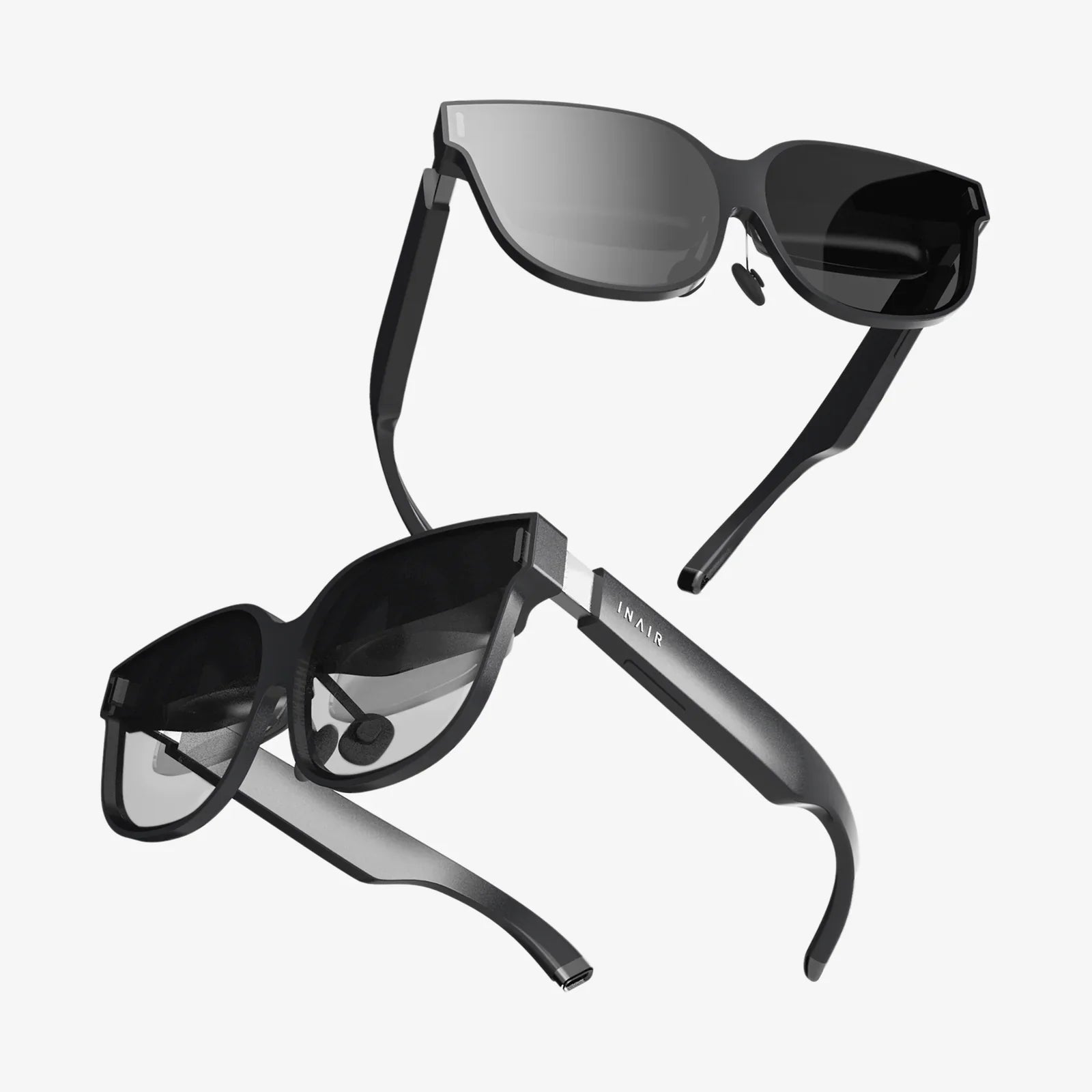
Perhaps the most exciting frontier is in user interaction. Foldable and rollable display technology points to a future where screen size is no longer a fixed constraint. A device could fold down to phone-sized proportions for portability but unfurl into a tablet or even a small desktop display for work. Furthermore, the development of advanced augmented reality (AR) interfaces could eventually see the physical screen replaced altogether, with the computer projecting a customizable display onto a pair of lightweight glasses, making the ultimate portable computer one that you wear.
The small compact portable computer has already changed our world, but its greatest trick may be its next one: becoming so seamlessly integrated into our lives that it disappears entirely, leaving only the boundless potential of its computing power at our fingertips, wherever we are.
Share:
How Many Types of AI Are There: A Deep Dive Into The Digital Mind
AR Smart Glasses Market Size: A Deep Dive into the Next Computing Revolution