


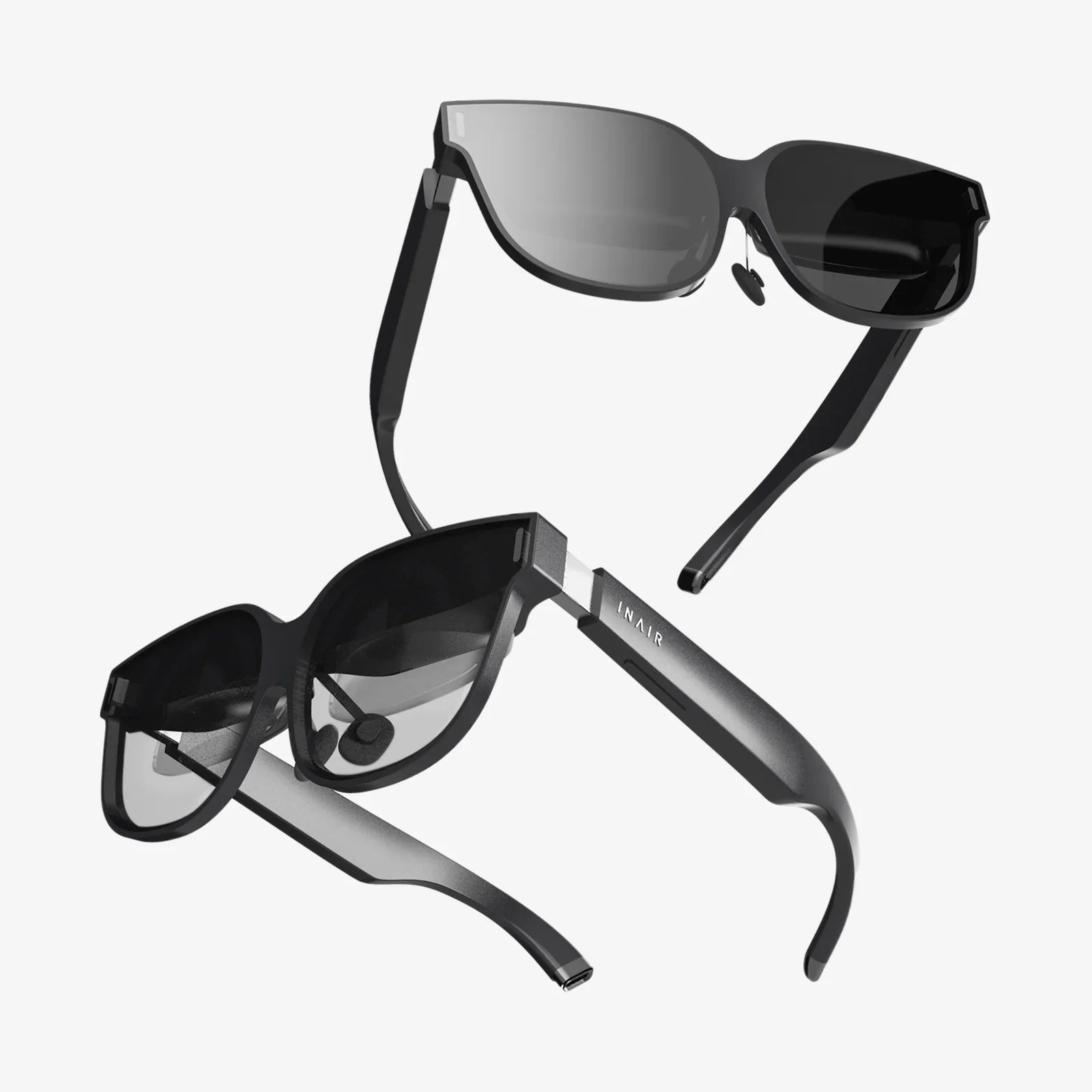
Imagine a digital world that doesn't just accommodate you but understands you—a space that responds to your presence, your movements, and your unique way of interacting, creating an experience that is not only functional but intuitive and empowering. This is the promise held within the evolving definition of accessibility spatial interaction, a concept rapidly moving from theoretical framework to practical reality, poised to redefine our relationship with technology and with each other. For too long, digital accessibility has been an afterthought, a checklist of compliance standards that, while necessary, often fail to capture the richness of human experience. Spatial interaction shatters that paradigm, moving beyond flat screens and binary commands to create a dynamic, multi-dimensional canvas for engagement that is inherently accessible by design. It’s not just about making things work; it’s about making them feel right.
Deconstructing the Core Terminology
To fully grasp the significance of this paradigm, we must first dissect its constituent parts. The term is a powerful triad, where each word carries profound weight and, when combined, creates a holistic philosophy for design.
Defining Accessibility in a Modern Context
Accessibility has traditionally been defined as the practice of making products, devices, services, or environments usable by as many people as possible, particularly those with disabilities. This classic definition, while foundational, is often interpreted reactively. It focuses on removing barriers for specific, predefined conditions. The modern, more progressive definition of accessibility, which underpins spatial interaction, is proactive and expansive. It is the design of systems that are inherently flexible, adaptable, and perceptive to a vast spectrum of human diversity—encompassing permanent, temporary, and situational disabilities. It’s about creating an environment that can morph to fit the user, rather than forcing the user to conform to a rigid system. This shift is crucial; it moves the goal from mere compliance to genuine inclusion, where the experience is seamless and dignified for everyone.
The Essence of Spatial Interaction
Spatial interaction refers to the ways in which users communicate with and within a digital environment that possesses a sense of space and dimension. Unlike traditional point-and-click or touchscreen interfaces, spatial interaction leverages our innate human understanding of physical space. It utilizes technologies like motion tracking, depth sensing, eye-tracking, voice recognition, and haptic feedback to allow users to navigate and manipulate digital content as if it existed in the world around them. This can mean using hand gestures to rotate a 3D model, shifting your gaze to highlight a menu option, or using voice commands to move through a virtual landscape. The core of spatial interaction is its bidirectionality; the system doesn’t just receive commands, it perceives the user's presence and actions within a defined space, creating a continuous, embodied dialogue.
The Synthesis: A New Definition
Therefore, the definition of accessibility spatial interaction emerges as the design and implementation of digitally perceptive, multi-dimensional environments that dynamically adapt their mode of interaction to the unique physical, sensory, and cognitive abilities of the user. It is the fusion of proactive accessibility principles with immersive spatial computing technologies. The ultimate goal is to dissolve the divide between user and interface, creating a symbiotic relationship where the technology intuitively understands and responds to human intent, regardless of how that intent is expressed. This is not a single feature but a foundational design ethos.
The Technological Pillars Enabling the Experience
This new paradigm is not built on goodwill alone; it is powered by a convergence of advanced technologies that make perceiving and adapting to the user possible.
Perceptual Computing and Sensor Fusion
At the heart of spatial interaction lies perceptual computing—the ability of a system to see, hear, and understand the user and its surroundings. An array of sensors, including cameras, LiDAR, radar, and microphones, act as the system's eyes and ears. Sensor fusion is the critical process of combining the data from these disparate sources to form a coherent, real-time model of the user and the environment. This model tracks body pose, hand gestures, eye gaze, facial expressions, and voice. For accessibility, this means the system can recognize a wide variety of inputs. A user who cannot use a traditional controller can be identified through facial login, navigate with eye-tracking, select with a subtle hand gesture, and confirm with a voice command. The technology doesn't prescribe a single method of interaction; it offers a palette of possibilities.
Artificial Intelligence and Machine Learning
Raw sensor data is meaningless without intelligence. AI and ML algorithms are the brains that interpret this data, identifying patterns, predicting intent, and enabling contextual awareness. For users with atypical motor patterns or speech patterns, machine learning models can be trained to recognize and accurately interpret their unique signals. AI can also power real-time adaptations, such as automatically enlarging text that a user is squinting at, simplifying a UI if it detects confusion or failed interaction attempts, or predicting the next command for someone with a degenerative condition that makes complex sequences difficult. This intelligent layer is what transforms a merely responsive system into an empathetic one.
Haptic Feedback and Multi-Sensory Output
True interaction is a dialogue, and output is as important as input. Spatial interfaces can provide feedback through more than just visual and auditory means. Advanced haptic technologies can simulate the sensation of touch, texture, and force feedback through wearables like gloves or controllers. For a user who is blind or has low vision, this could mean navigating a virtual menu by feeling distinct vibrations for different options or experiencing the texture of a digital object. Spatial audio, which creates a 360-degree soundscape, allows users to locate interface elements, alerts, or other users through sound alone. By engaging multiple senses, these systems provide redundant channels of information, ensuring that if one sensory channel is impaired, others can compensate, creating a robust and accessible experience.
Transformative Applications Across Domains
The practical applications of accessibility spatial interaction are vast and transformative, stretching across every facet of life.
Revolutionizing Education and Training
In educational settings, spatial interaction can create profoundly inclusive learning environments. A student with mobility limitations can dissect a virtual frog using voice commands and eye-tracking. A student who is deaf can learn history through an immersive 3D simulation where events are conveyed visually and through subtitles, with haptic feedback indicating important cues. Complex scientific concepts, from molecular structures to astronomical phenomena, can be manipulated and explored kinesthetically, benefiting learners with dyslexia, ADHD, and other cognitive differences by making abstract ideas tangible. This moves learning beyond a one-size-fits-all textbook model to a multi-sensory, self-directed experience.
Redefining Workplace Inclusion
The future of work is increasingly digital and remote. Spatial interaction can ensure this future is inclusive. Virtual collaboration spaces can be designed where a colleague who is non-verbal can contribute equally through gesture-based annotation and avatar expressions. A remote worker with a physical disability can control every aspect of their digital workspace through a customized combination of gaze, voice, and motion, without being limited by the physical design of a desk or mouse. Training simulations for high-risk jobs can be made accessible, allowing people with disabilities to train and perform roles previously considered off-limits, thereby fostering a truly diverse workforce.
Enhancing Social Connection and Entertainment
Perhaps one of the most powerful applications is in the realm of human connection. Social virtual spaces and games built on principles of accessibility spatial interaction can mitigate the isolation often experienced by people with disabilities. Here, social cues are not limited to tone of voice or body language; they can be augmented by customizable avatars, expressive gestures, and real-time text-to-speech and speech-to-text translation that works seamlessly within the 3D environment. A user can convey a wink, a shrug, or a wave in a way that is authentic to them. Entertainment becomes a shared, accessible experience—imagine a concert in a virtual world where the light show is synchronized to haptic feedback for those who are deaf, or a game that can be played entirely through motion, voice, or a single switch, all within the same immersive world.
The Challenges and Ethical Imperatives
Despite its immense potential, the path forward is fraught with challenges that must be addressed with careful consideration and ethical rigor.
The Data Privacy Paradox
To function, these systems require a constant, intimate stream of biometric and behavioral data—the most personal data imaginable. Eye-tracking, gait analysis, voice prints, and even emotional inference from facial expressions are all fodder for the algorithm. This creates a significant privacy paradox: the very data that enables profound accessibility also creates unprecedented surveillance risks. Robust, transparent, and user-centric data governance frameworks are non-negotiable. Users must have absolute control over what data is collected, how it is used, and the ability to delete it entirely. Privacy must be a default setting, not an optional feature.
Avoiding Algorithmic Bias and Ensuring Equity
The AI models that power these adaptations are only as unbiased as the data they are trained on. If training data lacks diversity—for instance, if it primarily contains the gestures and speech patterns of able-bodied users—the system will fail to recognize the inputs from users with disabilities, effectively excluding them. This would perpetuate and even amplify existing inequalities. A relentless focus on inclusive dataset collection and the development of fairness metrics for perceptual algorithms is critical. Furthermore, the cost of the required hardware must be addressed to prevent this new frontier of accessibility from becoming a luxury available only to a privileged few.
The Imperative of Co-Design
The only way to navigate these challenges and build truly effective systems is through co-design. This means people with disabilities must not be merely testers at the end of the development cycle, but active, equal partners throughout the entire design and engineering process. Their lived experience is the essential expertise required to build interfaces that are not just technically functional but genuinely useful and desirable. This collaborative approach ensures that solutions are grounded in real-world needs and avoids the well-intentioned but often misguided pitfalls of designing for someone without their input.
The definition of accessibility spatial interaction is more than a technical specification; it is a blueprint for a more empathetic and human-centric digital future. It challenges us to dream of interfaces that see us, hear us, and understand us in all our magnificent diversity, not as edge cases to be accommodated, but as the very core of the design process. This is the next great leap in our journey toward a truly inclusive world—a world where technology doesn't just open doors, but builds entirely new realms of possibility for every single person to explore, connect, and create on their own terms.
Share:
Client Desktop Virtualization: The Ultimate Guide to a Modern, Secure, and Agile Digital Workspace
Individual Smart Device: The Personal Technology Revolution Reshaping Our Daily Lives