


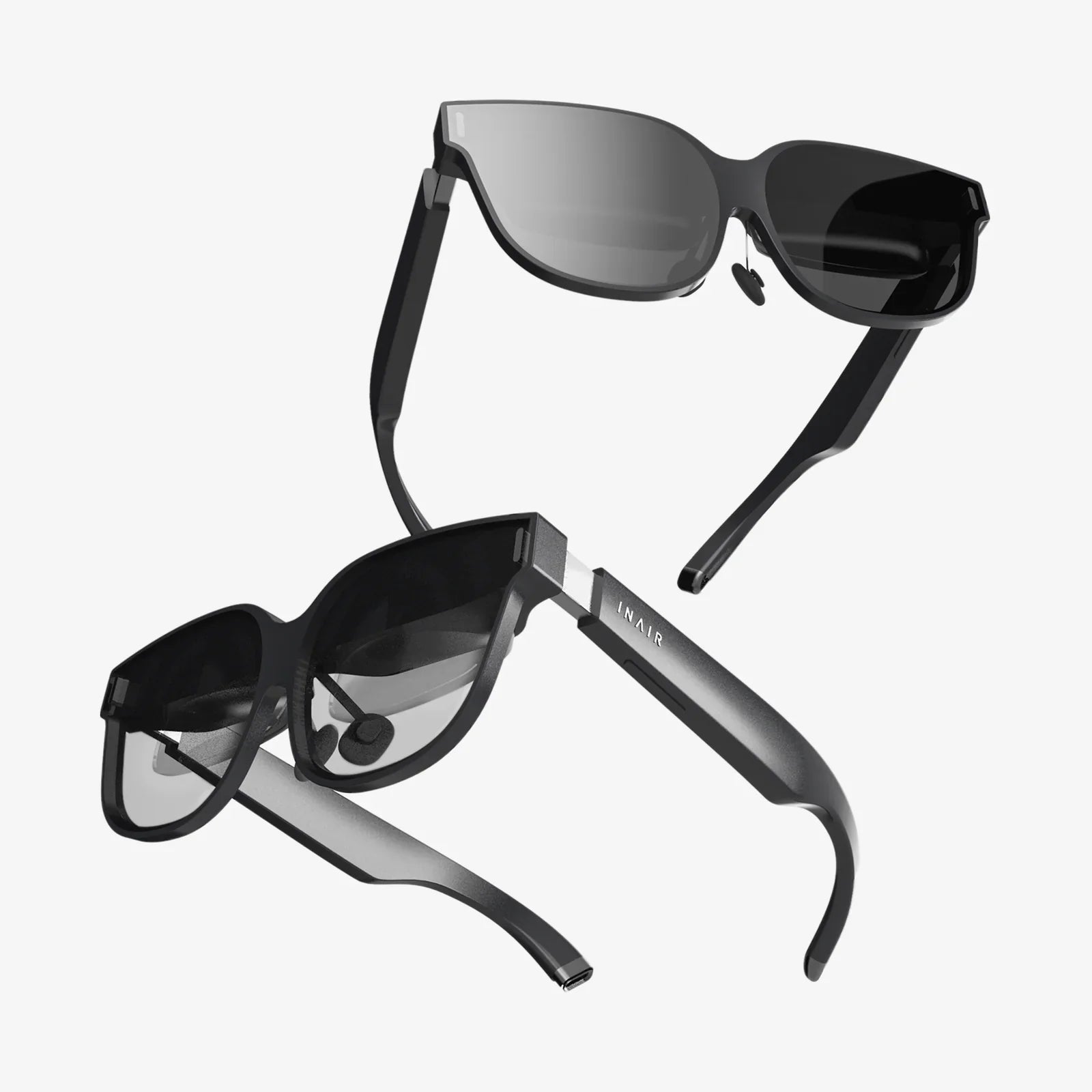
Imagine a world where your environment anticipates your needs, your wrist whispers insights about your health, and your home responds to your unspoken commands. This is not a distant science fiction fantasy; it is the reality being woven into the fabric of our daily existence by the silent, relentless proliferation of the individual smart device. From the moment we wake to a gentle, simulated sunrise from a bedside lamp to the final wellness report delivered by a sleep tracker as we drift off, these personalized portals of computation and connectivity are fundamentally reshaping human experience, one data point at a time. The age of impersonal, shared technology is receding, replaced by an era of hyper-individualized digital companions that promise unparalleled convenience, but also demand a sober examination of the price we pay for such seamless integration into our lives.
The Evolution From Shared to Singular
The journey of computing technology has been a steady march toward personalization. It began with room-sized mainframes, colossal machines that served entire institutions and were accessed by numerous individuals through rudimentary terminals. The personal computer revolution of the 1980s was the first major leap, condensing computational power into a box that sat on a single desk, serving a single user or a family. This was a monumental shift, moving computing from the corporate and academic sphere into the private home.
The next paradigm shift arrived with the smartphone, arguably the progenitor of the modern individual smart device. It wasn't just a computer in your pocket; it was your phone, your camera, your map, your music player, and your gateway to the global internet, all fused into one intensely personal object. It knew your location, your contacts, your schedule. It was, for the first time, a truly individual piece of technology, almost always on your person and tailored to your use.
Today, we are witnessing the fragmentation and specialization of that smartphone model. The core functions are being unbundled and optimized into a constellation of dedicated devices. Why use your phone for step counting when a sleek ring on your finger can do it more accurately and unobtrusively? Why ask your phone to set a timer when you can simply tell your smart speaker? This ecosystem of individual smart devices represents the third wave of personal computing: ambient computing. The technology is receding into the background, embedded into the objects we wear, carry, and live with, creating a seamless, context-aware network that serves the individual continuously and unconsciously.
The Allure of Hyper-Personalization
The primary engine driving the adoption of individual smart devices is the powerful human desire for personalization. These devices offer a degree of customization that was previously unimaginable.
- Tailored Health and Wellness: Fitness trackers and smartwatches do more than count steps. They monitor heart rate variability, track sleep stages, measure blood oxygen levels, and can even detect falls or irregular heart rhythms. This provides a deeply personalized dashboard of one's own biology, empowering individuals with data to make informed decisions about their health, from optimizing workout routines to identifying potential health issues early.
- Curated Environments: Smart home devices learn our preferences and routines. A smart thermostat learns your schedule and temperature preferences, adjusting the climate to ensure comfort while maximizing energy efficiency. Smart lighting systems can simulate natural daylight patterns to support circadian rhythms or set the perfect mood for a movie night with a voice command.
- On-Demand Convenience and Assistance: Virtual assistants, housed in speakers, phones, and earbuds, provide instant access to information, control over other smart devices, and the ability to manage tasks through simple voice interactions. This hands-free, instantaneous assistance creates a fluid and efficient daily flow, reducing cognitive load and simplifying mundane tasks.
This hyper-personalization creates a powerful feedback loop. The more we use the device, the more data it collects, and the better it becomes at serving our specific needs. This creates a sense of dependency and value that is highly individualized, making the device feel less like a tool and more like an indispensable partner.
The Invisible Network: Data as the Lifeblood
Beneath the sleek hardware and intuitive interfaces of any individual smart device lies its true core: data. These devices are essentially sophisticated data collection endpoints. Every step taken, every command uttered, every preference set, and every habit observed is captured, quantified, and transmitted.
This data is processed locally on the device or, more commonly, sent to powerful cloud servers where it is aggregated and analyzed using complex algorithms and machine learning. This analysis is what powers the "smart" functionality. It is how a sleep tracker learns what constitutes restful sleep for you specifically, or how a music streaming service on a smart speaker learns your taste and can create a personalized playlist.
This ecosystem creates immense value for the user through personalized experiences, but it also creates immense value for the companies behind the devices. This data, often anonymized and aggregated, is used to improve services, develop new features, and, critically, for advertising. The detailed picture of an individual's life—their habits, health, preferences, and routines—is a marketer's holy grail. This raises fundamental questions about ownership and consent. Who truly owns this deeply personal data? How is it being used? And how is it being protected?
The Double-Edged Sword: Convenience vs. Privacy and Security
The incredible convenience offered by individual smart devices comes with a significant counterweight: the erosion of privacy and the emergence of new security vulnerabilities.
The very nature of these devices requires them to be always-on, always-listening, and always-sensing. A smart speaker must constantly listen for its wake word, meaning it is, technically, always capturing audio from your home. While companies assure that nothing is recorded or transmitted until the wake word is detected, the potential for malfunction or exploitation exists. Similarly, a smart TV with a voice-controlled remote, a robot vacuum that maps your home's layout, and a smart fridge that tracks inventory all collect intimate details about your private life.
This creates a massive attack surface for malicious actors. A poorly secured device can become a gateway for hackers to access your home network, potentially leading to identity theft, espionage, or even physical safety risks if they gain control of locks or cameras. The history of consumer IoT is littered with examples of vulnerable devices being compromised en masse.
Furthermore, the constant surveillance normalizes a world where every action is monitored and quantified. This can have a chilling effect, subtly altering behavior and creating a society accustomed to being watched. The line between helpful data collection and intrusive surveillance becomes increasingly blurred, demanding robust cybersecurity practices, transparent data policies from manufacturers, and informed vigilance from users.
The Psychological and Social Reckoning
Beyond privacy, the saturation of individual smart technology prompts a deeper psychological and social inquiry. These devices are designed to be addictive, leveraging variable rewards and notifications to keep us engaged. The constant ping of a notification, the urge to close a fitness ring, or the dopamine hit from a new like on a social media platform accessed through a watch can contribute to anxiety, reduced attention spans, and a state of perpetual distraction.
They also impact our social dynamics. A dinner table where everyone is getting notifications on their wrists is a table with fractured attention. The ability to be anywhere, yet mentally connected to a digital stream elsewhere, can diminish the quality of real-world, face-to-face interactions. We risk outsourcing our cognitive functions and memories to these devices, potentially weakening our innate abilities to navigate, remember, and calculate.
However, they also offer profound benefits for connection and safety. They allow the elderly to live independently longer with fall detection and emergency response features. They enable parents to stay connected with their children. They provide individuals with disabilities with new tools to interact with the world around them. The challenge, therefore, is not to reject the technology outright, but to cultivate a mindful and intentional relationship with it, establishing boundaries to ensure it serves us, and not the other way around.
Navigating the Future with Intention
As the technology continues to advance, with developments in artificial intelligence, biomonitoring, and augmented reality set to make these devices even more powerful and immersive, the need for a conscious framework for their use becomes paramount.
Users must become more than passive consumers; they must be active participants in managing their digital lives. This means taking simple but crucial steps: changing default passwords, meticulously reviewing privacy settings for each device, segmenting home networks to isolate smart devices from computers and phones holding sensitive information, and regularly updating firmware.
On a broader scale, it demands continued pressure for strong, clear regulations that prioritize user privacy and security by design, forcing manufacturers to build these principles into their products from the ground up, rather than as an afterthought. It calls for a cultural conversation about digital wellness and the right to disconnect, even when surrounded by devices begging for our attention.
The individual smart device is here to stay, a testament to human ingenuity and our quest for a better, easier, more connected life. Its potential to enhance our health, productivity, and comfort is boundless. Yet, this power is not without its perils. The path forward is not one of Luddite rejection but of enlightened adoption. It requires us to embrace the convenience with our eyes wide open to the implications, to demand transparency from creators, and to consciously choose how we allow these remarkable tools to shape our behaviors, our relationships, and our very perception of reality. The ultimate smart device, after all, is not on our wrist or in our home; it is the human mind, and it must remain firmly in control.
Share:
Accessibility Spatial Interaction Definition: A New Dimension of Inclusive Digital Experience
Benefits of Mobile and Wearable Devices: A Deep Dive into the Connected Life