


- by wangfred
Advances in Wearable Technology: From Fitness Trackers to a Connected Human Future
- by wangfred
Imagine a world where your watch doesn't just tell time, but tells you about your health; where your glasses don't just correct vision, but overlay digital information onto the physical world; where your clothing doesn't just keep you warm, but monitors your muscle activity and posture. This is not a distant science fiction fantasy—it is the rapidly unfolding reality, driven by breathtaking advances in wearable technology. We are on the cusp of a revolution that promises to seamlessly integrate technology into the very fabric of our existence, transforming how we understand our bodies, interact with our environment, and navigate our daily lives. The journey from clunky prototypes to elegant, powerful, and indispensable devices is a story of relentless innovation, and it's a story that is fundamentally changing what it means to be human in a digital age.
The concept of wearables is not new. For decades, we have strapped calculators to our wrists and clipped pedometers to our belts. However, these early devices were largely single-function, isolated gadgets. The true advance began with the convergence of several critical technologies. The miniaturization of sensors, breakthroughs in low-power processing, the ubiquity of wireless connectivity, and the development of sophisticated algorithms for data analysis created a perfect storm of innovation. This convergence propelled wearables from simple curiosities to complex, connected systems capable of generating profound insights.
Early fitness trackers focused primarily on step counting, using basic accelerometers. Today's devices incorporate a suite of sensors including optical heart rate monitors, blood oxygen saturation (SpO2) sensors, electrodermal activity (EDA) sensors to measure stress, and skin temperature sensors. This sensor fusion provides a holistic view of the wearer's physiological state, moving beyond simple activity tracking to comprehensive wellness monitoring. The real magic, however, lies not in the hardware alone but in the software. Advanced machine learning algorithms now parse the vast streams of data these sensors collect, identifying patterns, detecting anomalies, and providing personalized, actionable feedback. This shift from data collection to intelligent interpretation represents one of the most significant advances in wearable technology.
Perhaps the most profound impact of advances in wearable technology is being felt in the realm of healthcare. We are moving from a reactive model of medicine—treating illness after it occurs—to a proactive and preventive model, and wearables are at the forefront of this transformation.
Traditional healthcare relies on episodic data points collected during infrequent doctor's visits. These "snapshots" can miss critical trends or events that occur between appointments. Wearables enable continuous, longitudinal monitoring in a patient's natural environment. Devices can now track atrial fibrillation (AFib), monitor blood glucose levels non-invasively through emerging technologies, and even detect falls for elderly users, automatically alerting emergency services and contacts. This capability is revolutionizing the management of chronic conditions like hypertension, diabetes, and cardiac arrhythmias, allowing for earlier interventions and reducing hospital readmissions.
These advances are democratizing health knowledge. Individuals now have access to data about their own bodies that was once available only in clinical settings. This empowerment fosters a greater sense of ownership over one's health, encouraging positive behavioral changes. Seeing real-time data on heart rate variability can motivate someone to practice mindfulness; tracking sleep stages can inspire better sleep hygiene. This shift towards patient-generated health data is creating a new partnership between individuals and their healthcare providers, facilitating more informed and collaborative decision-making.
The scale of data collected by wearables is also transforming medical research. Researchers can now conduct large-scale, real-world studies, gathering objective, continuous data from thousands or even millions of participants. This provides unprecedented insights into disease progression, treatment effectiveness, and the impact of lifestyle factors on health outcomes, accelerating the pace of discovery and leading to more personalized medicine approaches.
While smartwatches and fitness bands dominate the market, advances in wearable technology are creating a diverse ecosystem of devices designed for specific parts of the body and specific use cases.
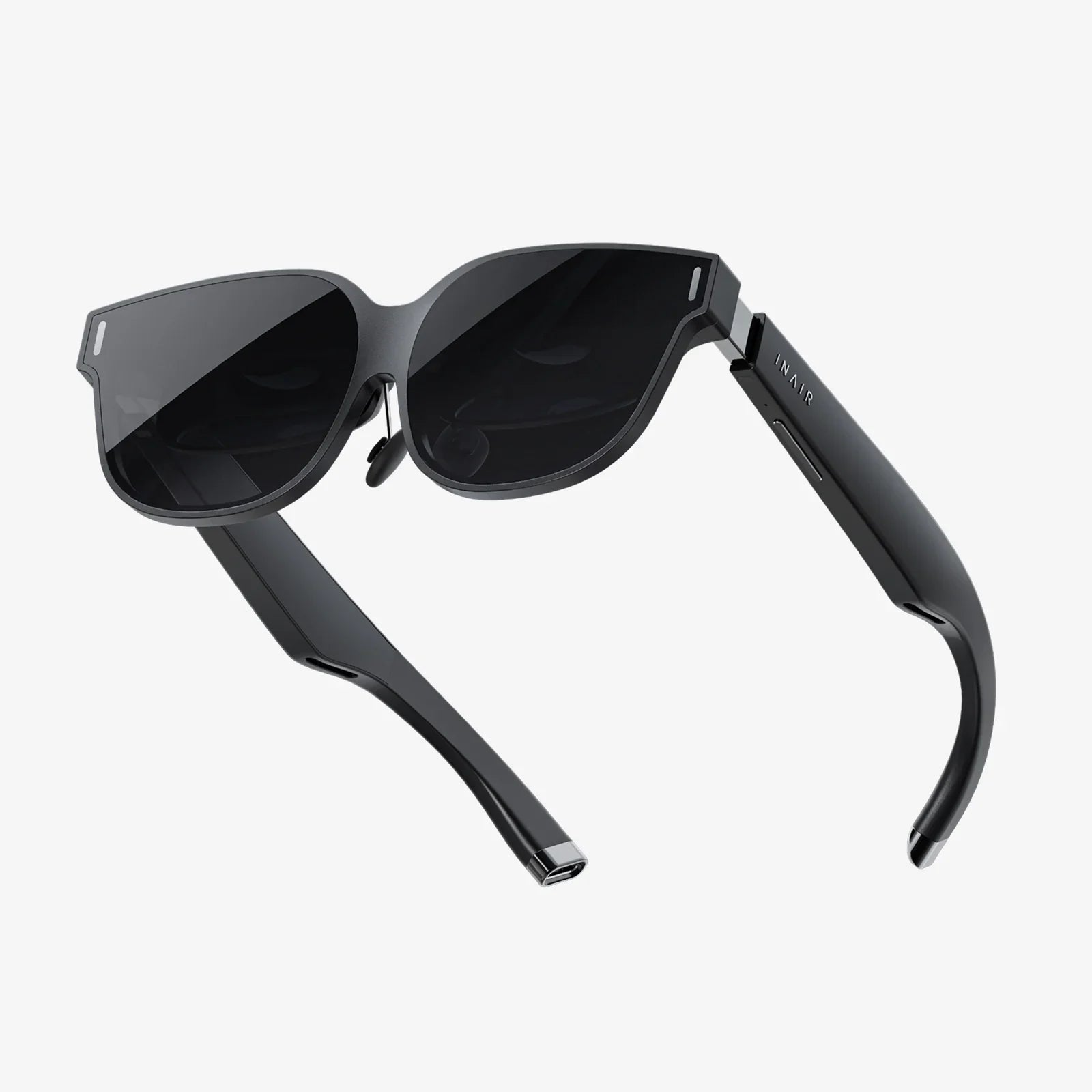
Advances in micro-displays, waveguide technology, and spatial computing are breathing new life into smart glasses. These devices are moving beyond the consumer market to become powerful tools in enterprise and industry. Technicians can have repair manuals and schematics overlaid onto the machinery they are fixing, surgeons can visualize patient anatomy during procedures, and warehouse workers can receive hands-free picking instructions, drastically improving efficiency and reducing errors.
The integration of technology directly into fabrics represents a frontier of seamless wearability. Smart textiles, or "e-textiles," involve weaving conductive threads and micro-sensors into clothing. This enables biometric monitoring across a larger surface area of the body, providing more accurate data on muscle activity, respiration, and overall movement. Athletes use smart shirts to optimize training and prevent injury, while in healthcare, smart socks can monitor infants for vital signs, and smart gloves can track the tremors of Parkinson's patients.
Earbuds have evolved from simple audio devices into sophisticated "hearables." They now incorporate accelerometers for head gesture control, biometric sensors for health tracking, and advanced audio processing for features like real-time language translation and adaptive noise cancellation that amplifies important sounds like sirens while dampening background noise. This makes them powerful tools for both communication and situational awareness.
While often not "worn" in the traditional sense, implantable devices represent the ultimate in personalized, continuous monitoring. Advances are leading to miniaturized, wireless implants that can monitor internal body chemistry, neural activity, and organ function, transmitting data externally and offering new hope for managing complex neurological disorders and chronic diseases.
This rapid evolution is underpinned by breakthroughs in several core areas of technology.
The relentless drive to make components smaller, more power-efficient, and more accurate is fundamental. Micro-electromechanical systems (MEMS) have allowed gyroscopes, accelerometers, and other sensors to be shrunk to microscopic sizes. New optical and biochemical sensors are being developed to non-invasively measure an ever-expanding range of biomarkers from lactate and cortisol to alcohol levels.
Raw sensor data is meaningless without interpretation. AI and ML algorithms are the brains of modern wearables. They filter out noise, identify meaningful patterns (e.g., distinguishing between different sleep stages or types of exercise), and create personalized baselines for each user. Edge AI, where data is processed on the device itself rather than being sent to the cloud, is a critical advance, improving response times and protecting user privacy.
Battery life remains a key challenge. Advances in low-power chipsets and display technology are helping, but the next frontier is energy harvesting. Research is ongoing into ways to power wearables from body heat (thermoelectric), movement (kinetic), or even ambient light and radio frequencies, which could eventually lead to devices that never need to be plugged in.
The rollout of 5G networks, with its high speed, low latency, and massive device connectivity, is a crucial enabler. It allows wearables to seamlessly and instantly communicate with other devices and cloud-based AI, facilitating real-time health alerts, richer AR experiences, and smoother integration into the broader Internet of Things ecosystem.
As with any transformative technology, these advances come with significant challenges that must be addressed.
The most intimate data about our bodies—our heart rhythms, location, sleep patterns, and even our emotional states—is being collected continuously. This creates a huge responsibility for data security and raises critical questions about data ownership, consent, and potential misuse. Robust encryption, transparent data policies, and strong regulatory frameworks like GDPR and HIPAA are essential to build and maintain user trust. Furthermore, the "digital divide" is a real concern. If advanced wearables become gateways to superior healthcare and personalized insights, there is a risk of exacerbating health inequalities between those who can afford them and those who cannot. Ensuring equitable access to the benefits of this technology is a societal imperative.
The trajectory of wearable technology points toward even deeper integration. We are moving from devices we wear to technology that is woven into our lives. Brain-computer interfaces, currently in early stages, aim to create a direct communication pathway between the brain and an external device, offering potential solutions for paralysis and revolutionizing how we interact with computers. Further advances in biosensors will likely allow for non-invasive, continuous monitoring of a vast array of biomarkers, providing a real-time dashboard of our internal health.
The ultimate goal is a future where technology fades into the background, becoming an intuitive and seamless extension of our human capabilities. It will anticipate our needs, enhance our senses, and provide us with insights to live healthier, safer, and more efficient lives. The advances in wearable technology are not just about building better gadgets; they are about building a better, more connected, and profoundly understood human experience.
The next time you glance at your wrist for the time, consider that the same device might have just silently analyzed your heart rhythm for signs of anomaly, tracked your blood oxygen levels while you slept, and is now preparing to guide you through a personalized breathing exercise to lower your stress. This invisible layer of intelligence, woven into the fabric of our daily routines, is the true promise of the wearable revolution—a silent guardian, a personal coach, and a window into our own well-being, all working tirelessly to empower us to live not just longer, but better.