


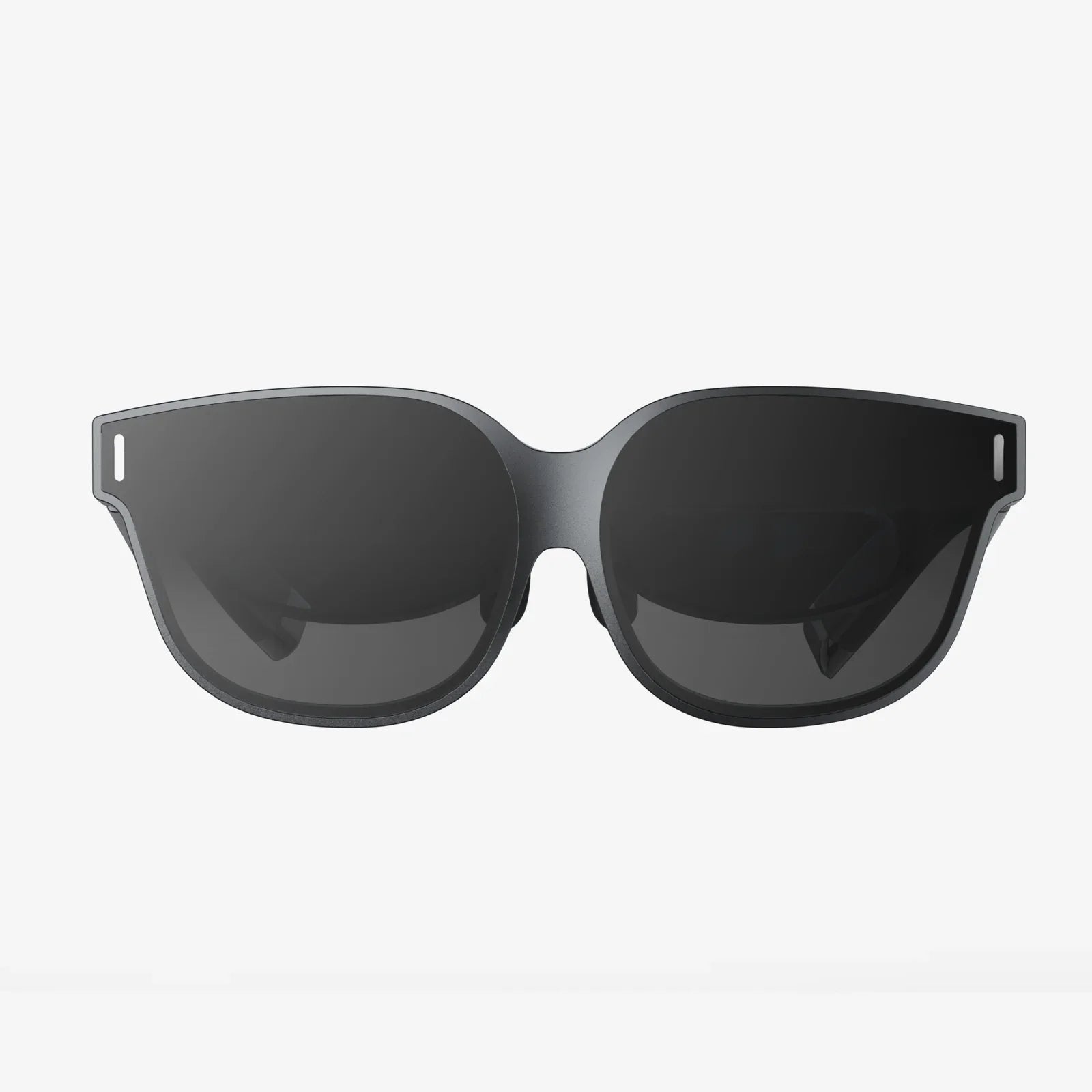
Imagine a world where your physical surroundings are not a limit but a canvas, where you can learn by doing, see the invisible, and connect with others across the globe as if they were in the same room. This is no longer the realm of futuristic fantasy; it is the rapidly evolving present, powered by the twin technological titans of Augmented Reality (AR) and Virtual Reality (VR). While often mentioned in the same breath, they offer distinct yet equally revolutionary pathways to enhancing our reality. AR layers digital information—images, data, 3D models—onto our view of the real world through devices like smart glasses or smartphone screens. VR, by contrast, is an immersive escape, transporting the user into a completely computer-generated environment via a headset. Together, they are dismantling barriers in medicine, education, manufacturing, and entertainment, offering a suite of advantages that promise to redefine human potential and interaction. The journey into their benefits is a journey into the next chapter of digital evolution.
Demystifying the Digital Duo: AR vs. VR
Before delving into the specific advantages, it is crucial to understand the fundamental distinction between these two technologies, as their applications and benefits are shaped by their core functionalities.
Augmented Reality (AR) operates on the principle of supplementation. It enhances the real world by superimposing computer-generated perceptual information onto it. This can be as simple as a live-translated street sign viewed through a phone camera or as complex as a holographic engine schematic floating over a physical motor for a mechanic. The key advantage here is context; the digital content is directly relevant to the user's immediate environment and task. Popularized by mobile games and social media filters, its true power lies in enterprise and practical applications.
Virtual Reality (VR) functions on the principle of substitution. It blocks out the physical world and replaces it with a simulated one. Using a head-mounted display (HMD) and motion-tracking technology, VR plunges the user into a fully digital, 360-degree environment. This is not an overlay but an replacement, making it ideal for scenarios requiring complete immersion, such as pilot training simulations, virtual tourism, or deep-sea exploration without getting wet. The primary advantage is the total control over the user's sensory experience, enabling scenarios impossible or impractical in the real world.
A Deep Dive into the Advantages of Augmented Reality
Enhanced Learning and Knowledge Retention
AR transforms passive learning into an active, engaging experience. Instead of reading about the solar system, students can watch planets orbit around them in their classroom. Instead of studying a static diagram of the human heart, medical students can explore a beating, interactive 3D model from every angle. This interactive, visual, and spatial learning style significantly improves comprehension and knowledge retention. Studies have shown that AR can help learners grasp complex spatial and abstract concepts more effectively by making the intangible tangible.
Increased Efficiency and Accuracy in Enterprise
In fields like manufacturing, logistics, and field service, AR is a powerhouse for productivity. Warehouse workers equipped with AR smart glasses can see digital pick lists and optimal navigation paths overlaid on their actual shelves, reducing walking time and error rates to nearly zero. Complex assembly or repair tasks can be guided by animated holographic instructions displayed directly on the equipment, ensuring each step is performed correctly and in sequence. This hands-free, eyes-on-the-task guidance minimizes mistakes, reduces training time for new employees, and dramatically speeds up processes.
Revolutionizing Retail and Consumer Experience
The "try before you buy" paradigm has been utterly transformed by AR. Consumers can now see how a new sofa would look in their living room, how a pair of glasses fits their face, or even how a shade of lipstick appears on their skin, all from their own homes. This reduces purchase hesitation and the high rate of returns associated with online shopping, building consumer confidence and driving sales. For retailers, it's a powerful tool to bridge the gap between the online and in-store experience.
Improved Navigation and Data Visualization
AR is set to make paper maps and confusing GPS arrows obsolete. Imagine walking through a city and seeing directional arrows painted on the sidewalk or having historical facts and restaurant reviews pop up as you look at different buildings. For professionals, this means complex data sets—from architectural blueprints to real-time network analytics—can be visualized in situ, right where they are most relevant, allowing for faster and more informed decision-making.
A Deep Dive into the Advantages of Virtual Reality
Unparalleled Immersive Training and Simulation
This is arguably VR's most powerful advantage. It provides a safe, controlled, and repeatable environment to practice high-risk or high-cost skills. Surgeons can perform intricate virtual operations without risk to a patient. Pilots can train for emergency scenarios that would be too dangerous to replicate in a real aircraft. Police officers can de-escalate tense situations in hyper-realistic simulations. VR training allows for learning through controlled failure, building muscle memory and confidence without real-world consequences. The cost savings on equipment, facilities, and potential mistakes are enormous.
Superior Remote Collaboration and Telepresence
While video conferencing connects people, VR collaboration platforms create a profound sense of "being there" together. Colleagues from across the world can meet in a virtual boardroom, a prototype car, or on the surface of Mars as lifelike avatars. They can interact with 3D models, make annotations in mid-air, and read body language in a way that flat screens cannot capture. This level of telepresence fosters a deeper connection and more effective teamwork than traditional remote tools, making geographical barriers irrelevant.
Groundbreaking Therapeutic and Healthcare Applications
VR is proving to be a revolutionary tool in mental and physical healthcare. It is extensively used in exposure therapy, helping patients with phobias (like fear of heights or flying) confront their triggers in a gradual, safe, and controlled virtual environment. For pain management, immersive VR experiences can distract patients during painful procedures like wound care or physical therapy, significantly reducing perceived pain levels. It's also used for cognitive rehabilitation for stroke patients and to provide calming experiences for those with anxiety and stress.
Boundless Entertainment and Storytelling
VR has redefined entertainment by making the user not just a viewer but a participant inside the story. Whether it's exploring fantastical game worlds, standing on the edge of a virtual cliff, or attending a live concert from the best seat in the house, VR offers a level of emotional engagement and presence that is unmatched by any other medium. It empowers creators to tell stories in entirely new ways, creating empathetic experiences that can transport users to another place, time, or even another person's perspective.
Converging Advantages: The Powerful Synergy of AR and VR
The line between AR and VR is beginning to blur with the development of Mixed Reality (MR) and Extended Reality (XR) devices. These advanced systems can seamlessly blend real-world and digital elements, allowing users to interact with holograms as if they were physical objects or to transition smoothly from an augmented view to a fully virtual one. This convergence unlocks a new tier of advantages:
- Prototyping and Design: Designers and engineers can create and interact with full-scale digital prototypes within their actual workspace, making adjustments in real-time and collaborating with colleagues remotely.
- Next-Level Maintenance and Repair: A technician could see a virtual "x-ray" view of a malfunctioning machine, with animated instructions appearing directly on the components that need attention.
- Advanced Data Interaction: Complex 3D data visualizations, like a city's traffic flow or a human genome, could be brought into a room for collaborative analysis from every angle.
Navigating the Challenges and the Future
Despite their immense potential, the widespread adoption of AR and VR faces hurdles. Issues of hardware cost, accessibility, user comfort (such as VR-induced motion sickness), and privacy concerns regarding always-on cameras and microphones need to be addressed. Furthermore, creating high-quality, meaningful content requires significant investment and expertise.
However, the trajectory is clear. As hardware becomes more powerful, affordable, and comfortable, and as the development ecosystem matures, these technologies will become as ubiquitous as smartphones. We are moving towards a future of "spatial computing," where digital information is not confined to screens but is integrated into the fabric of our lives, enhancing our abilities, enriching our experiences, and connecting us in ways we are only beginning to imagine.
The door to this blended reality is now open, offering a glimpse into a future where the line between what is real and what is digital becomes beautifully, and productively, blurred. The advantages of AR and VR are not just about cooler games or novel filters; they are foundational tools for building a safer, smarter, and more connected world, and the opportunity to step through and shape that world is waiting for us all.
Share:
AR VR Technology Advancements 2025: The Year Reality Gets a Major Upgrade
How to Use VR Headset with Glasses: A Complete Comfort and Clarity Guide