


- by wangfred
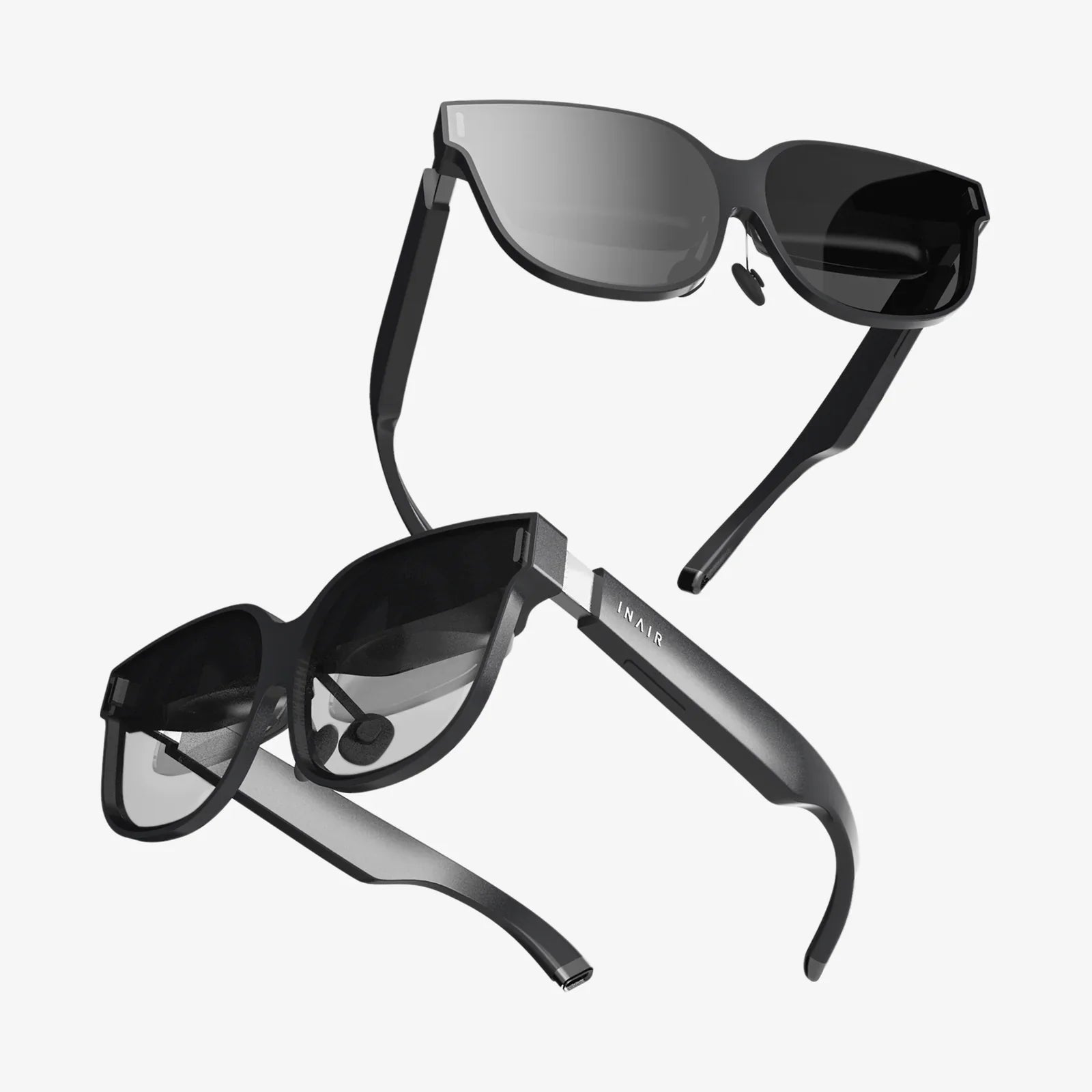
Advantages of Virtual Reality Headset: A Deep Dive Into the Digital Frontier
- by wangfred
Imagine stepping through a portal into another world, one where the boundaries of physics, geography, and even imagination are yours to command. This is no longer the stuff of science fiction; it is the palpable, breathtaking reality offered by modern virtual reality headsets. These devices, once clunky and niche, have evolved into sophisticated gateways, promising not just escapism but profound advantages that are reshaping how we learn, work, heal, and connect. The journey into the virtual is becoming an indispensable part of our human experience, and the potential is as vast as the digital universes they create.
One of the most significant advantages of virtual reality headsets lies in the realm of education and professional training. Traditional learning methods often rely on abstract concepts and two-dimensional representations. Virtual reality shatters these limitations by providing experiential learning.
Imagine a medical student not just reading about human anatomy but performing a detailed, hands-on dissection of a virtual cadaver, able to walk through the chambers of a beating heart or examine a neural network from the inside out. The level of detail and interaction is impossible to replicate with textbooks or videos. This immersive practice extends to surgical training, allowing aspiring surgeons to hone their skills in a risk-free environment, performing complex procedures countless times before ever touching a real patient.
Beyond medicine, VR headsets are revolutionizing vocational training. Mechanics can practice repairs on intricate virtual engines, electricians can learn to navigate complex wiring systems without danger, and astronauts can simulate spacewalks. This hands-on, mistake-friendly environment accelerates the learning curve, enhances knowledge retention, and dramatically improves skill proficiency, ultimately leading to higher levels of expertise and safety in critical fields.
The therapeutic potential of virtual reality headsets is a rapidly expanding frontier, offering new hope and innovative treatments for a wide range of physical and mental health conditions.
In physical rehabilitation, VR transforms monotonous and often painful exercises into engaging games and activities. A patient recovering from a stroke or a spinal cord injury can use a headset to perform guided motor function exercises in a stimulating virtual environment. This not only improves adherence to therapy regimens but also leverages neuroplasticity—the brain's ability to reorganize itself—by creating compelling visual feedback for movements, which can accelerate recovery.
For mental health, VR exposure therapy (VRET) has proven highly effective in treating conditions like PTSD, phobias, and anxiety disorders. Therapists can gradually and safely expose patients to their triggers within a completely controlled virtual setting. A person with a fear of flying can experience the sights and sounds of an airport and a flight cabin, a soldier with PTSD can process traumatic memories in a manageable way, and someone with social anxiety can practice public speaking to a virtual audience. This controlled, safe environment empowers patients to confront and overcome their challenges at their own pace.
While the professional applications are profound, the advantage most readily apparent to consumers is the complete transformation of entertainment. Virtual reality headsets are not merely a new screen; they are a new medium for storytelling and experience.
Gaming is the most obvious beneficiary. Players are no longer external controllers manipulating an on-screen character; they are inside the game. The ability to look around, duck, lean, and interact with a virtual world using motion controllers creates a level of presence and engagement that is unparalleled. The adrenaline rush of a horror game is magnified a hundredfold when the monster is not on a TV across the room but feels like it's right behind you.
This extends to films and narrative experiences. Instead of watching a documentary about climbing Mount Everest, you can stand on its summit, feeling the vertigo as you look down. You can sit in a front-row seat at a live concert happening on the other side of the world or step inside a painting and explore the artist's world. VR empowers creators to tell stories in a deeply personal and emotionally resonant way, making the audience an active participant rather than a passive observer.
The shift towards remote work has highlighted both the possibilities and the limitations of digital communication. Video conferencing, while useful, often feels flat and lacks the nuance of in-person interaction. Virtual reality headsets offer a powerful solution, enabling a sense of shared presence that bridges vast physical distances.
Virtual meeting rooms can replace flat video grids. Colleagues from across the globe can gather around a virtual 3D model of a new product design, examining it from every angle, making annotations in mid-air, and collaborating as if they were in the same physical workshop. Architects and engineers can walk clients through unbuilt structures, and researchers can manipulate complex data visualizations together in a shared space.
This spatial collaboration fosters a greater sense of connection, improves non-verbal communication through avatars, and enhances creative problem-solving. It reduces the need for physical travel and office space while creating a more engaging and productive digital work environment, effectively building the foundation for the metaverse—a persistent network of shared virtual spaces.
In an increasingly digital yet sometimes isolating world, VR headsets provide a unique platform for meaningful social interaction. Social VR platforms allow users to meet, talk, and engage in activities with others using personalized avatars. The sense of embodiment—feeling that your avatar is your own—and the ability to make eye contact and use gestures creates a far more authentic social experience than text-based chat or even video calls.
This technology also holds the profound advantage of fostering empathy. Journalists and documentarians are using VR to create immersive experiences that allow viewers to walk in someone else's shoes. You can experience a day in the life of a refugee, see the world from the perspective of a child in a conflict zone, or understand the challenges faced by someone with a disability. By virtually placing people inside another's reality, VR can break down barriers, challenge prejudices, and build a deeper, more visceral understanding of the human experience across cultures and circumstances.
Virtual reality acts as a great equalizer, offering experiences and opportunities that may be physically, financially, or geographically out of reach for many.
For those with mobility issues or disabilities, a VR headset can be a window to the world. They can tour the Louvre in Paris, hike through Yosemite National Park, or attend a family reunion on the other side of the country, all from their living room. Elderly individuals in care homes can revisit their childhood neighborhoods or experience travel adventures they missed out on, combating loneliness and improving mental well-being.
For everyone else, it democratizes access to culture, travel, and events. Not everyone can afford a trip to space, but a VR experience can provide a startlingly accurate simulation. Not everyone can get tickets to the championship game, but VR can offer the best seat in the house. This ability to transcend physical limitations is one of the most humane and powerful advantages of the technology, opening up the world in ways previously unimaginable.
The true power of the virtual reality headset is not in its ability to help us escape our world, but to enhance it. It is a tool for deepening understanding, for building skills without risk, for connecting across continents, and for experiencing the impossible. As the technology continues to evolve, becoming more comfortable, affordable, and integrated with other advancements like artificial intelligence, its advantages will only become more woven into the fabric of our daily lives. This is just the beginning of a revolution that promises to redefine reality itself, offering a glimpse into a future where our digital and physical lives are seamlessly and powerfully intertwined.
Share:
Augmented Reality App Development: The Ultimate Guide to Building the Future
Augmented Reality Devices Are Redefining Our Perception of Reality