


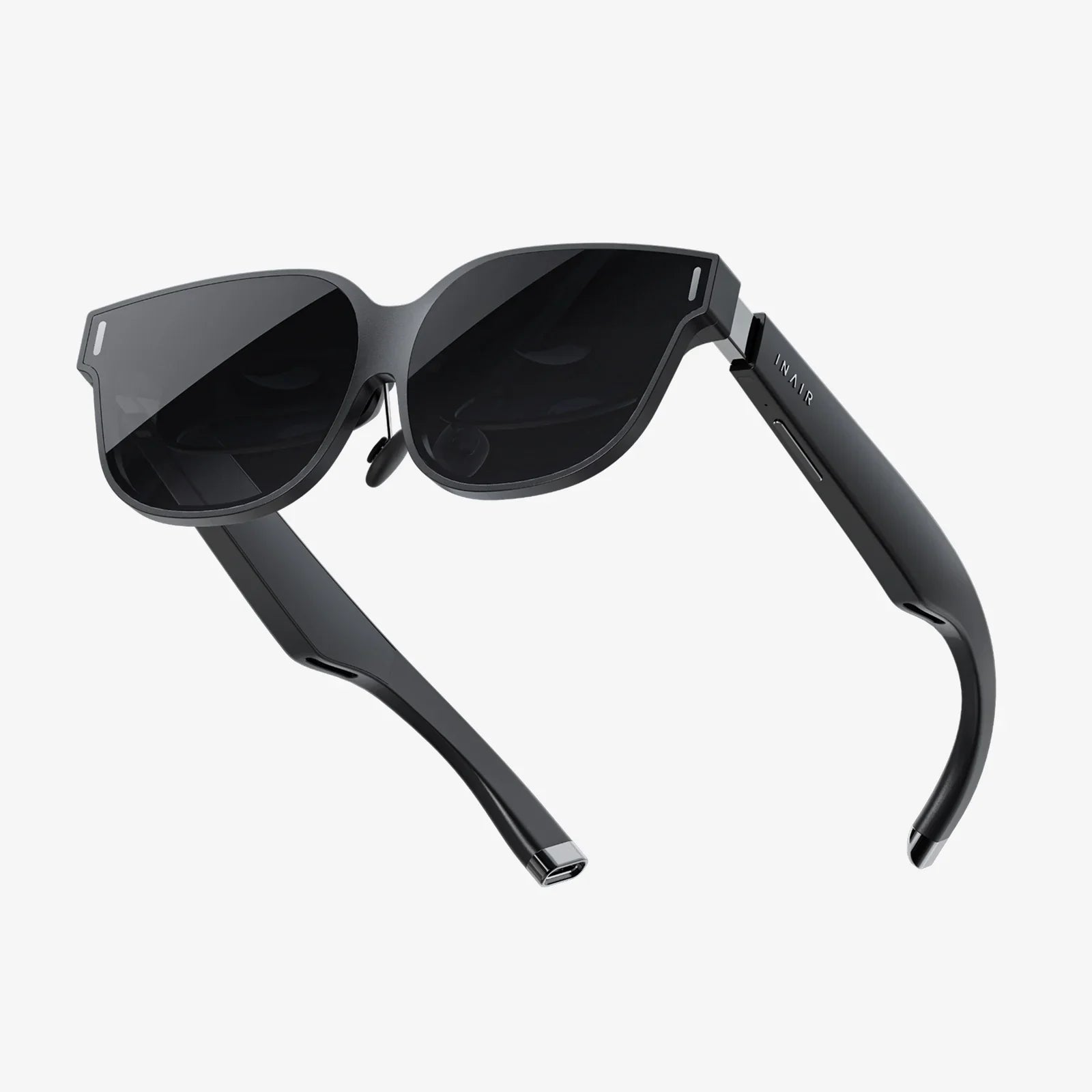
Imagine stepping into a breathtaking virtual world, feeling the adrenaline of a high-stakes game or the wonder of an alien landscape, all without spending a fortune. The year 2025 marks a pivotal moment in the evolution of virtual reality, a long-awaited convergence where high-fidelity immersion finally becomes accessible to the masses. The dream of an affordable PC VR headset is no longer a distant fantasy but a tangible reality, reshaping how we play, work, and connect. This guide dives deep into the innovations, specs, and market dynamics that have made this possible, providing you with everything you need to claim your front-row seat to the virtual revolution.
The 2025 VR Landscape: A Market Transformed
Just a few years ago, the PC VR market was starkly divided. On one end, premium headsets offered incredible experiences with equally incredible price tags, requiring a significant investment in both hardware and a powerful computer. On the other, standalone devices provided accessibility but often sacrificed the graphical fidelity and processing power that hardcore enthusiasts and gamers craved. The chasm between high-cost, high-end PC VR and lower-cost, lower-fidelity standalone VR was vast.
2025 has fundamentally bridged this gap. A perfect storm of technological advancement, manufacturing efficiency, and fierce market competition has given rise to a new category: the affordable PC VR headset. These are not stripped-down, compromised devices. Instead, they are the beneficiaries of trickle-down economics from the premium sector, incorporating features that were once considered cutting-edge into a form factor and price point designed for mainstream adoption. The driving forces behind this shift are multifaceted, involving breakthroughs in display technology, lens design, and a more mature supply chain for key components like sensors and chipsets.
Defining "Affordable" in 2025
In the context of the 2025 market, "affordable" no longer means "cheap." It signifies exceptional value. Industry analysts now peg the sweet spot for an entry-level to mid-range PC VR headset to be between a specific, competitive price range. For this investment, consumers rightfully expect a complete, high-quality experience out of the box, with no critical components hidden behind additional paywalls.
This price typically includes the headset itself, a set of modern controllers that offer precise, intuitive tracking, and all necessary cables. The era of requiring expensive external sensor towers for room-scale tracking is largely over, thanks to the widespread adoption of inside-out tracking, which is both more convenient and cheaper to implement. When evaluating the true cost of ownership, it's also crucial to factor in the PC hardware required to power the headset. Fortunately, the relentless progress in GPU and CPU technology means that mid-range gaming computers from a couple of years prior are now more than capable of delivering a smooth and visually impressive VR experience with these new headsets, further lowering the barrier to entry.
Key Technologies Driving Down Costs
The journey to affordability has been paved with engineering ingenuity. Several key technologies have matured and become cost-effective to mass-produce.
Inside-Out Tracking
The elimination of external base stations or sensors was a major step in reducing both cost and complexity. Modern inside-out tracking systems use multiple wide-field-of-view cameras embedded on the headset itself. These cameras constantly monitor the surrounding environment, using sophisticated algorithms to triangulate the position of the headset and controllers with stunning accuracy. This technology is now incredibly robust, handling fast movements and a variety of lighting conditions with ease, all while being significantly cheaper to manufacture than previous external solutions.
Pancake Lenses
One of the most significant leaps in optical design has been the move from traditional Fresnel lenses to pancake lenses. Fresnel lenses allowed for a large field of view but were bulky, heavy, and prone to visual artifacts like god rays and a small "sweet spot" for clarity. Pancake lenses use a folded optics path, making them dramatically thinner and lighter. This allows for much more compact and comfortable headset designs. Furthermore, they provide edge-to-edge clarity, a much larger sweet spot, and virtually eliminate glare, significantly enhancing visual comfort and quality without a proportional increase in cost.
OLED vs. Advanced LCD Displays
The debate between OLED and LCD continues, but for affordable headsets, advanced Fast LCD technology has become the standard. While OLEDs are renowned for their perfect blacks and high contrast, they can be more expensive and suffer from screen-door effect and mura at lower resolutions. Modern Fast LCD panels offer high resolutions that effectively eliminate the screen-door effect, incredibly high pixel fill rates, and rapid refresh rates (now commonly 90Hz, 120Hz, or even higher). Their lower production cost, combined with excellent overall performance, makes them the ideal choice for delivering crisp, clear visuals at an accessible price point.
Must-Have Features in a 2025 Budget Headset
With several options available, knowing what features are non-negotiable is key to making a smart purchase.
- High-Resolution Displays: A combined resolution of at least a certain threshold is now the baseline. This ensures text is readable and virtual environments are sharp, not blurry.
- Refresh Rate of 90Hz or Higher: A high refresh rate is critical for comfort, reducing motion sickness and making the virtual world feel fluid and real.
- Built-in Audio: Quality integrated speakers or a dedicated audio solution are essential, eliminating the hassle of separate headphones.
- Adjustable IPD: Mechanical IPD (Interpupillary Distance) adjustment is crucial for aligning the lenses with the user's eyes, ensuring a clear image and reducing eye strain.
- Comfortable Headstrap and Padding: VR sessions can last hours. A well-designed, weight-balanced headset with ample padding is not a luxury; it's a necessity for enjoyment.
The Software Ecosystem: Content is King
A headset is merely a window; the software is the view. The PC VR ecosystem in 2025 is richer than ever. Digital storefronts are overflowing with thousands of titles, from AAA blockbusters and innovative indie gems to profound social experiences and powerful productivity tools. The beauty of PC VR is its openness. Unlike some walled-garden ecosystems, a PC VR headset gives you access to multiple stores, allowing you to shop for the best deals and enjoy the widest possible selection of content. Furthermore, the modding community continues to breathe new life into flat-screen games, adding full VR support to titles that were never designed for it, exponentially expanding your library of potential experiences.
Future-Proofing Your Investment
While buying an affordable headset, it's wise to consider its longevity. Pay attention to the connection standard; a modern, high-bandwidth video interface ensures compatibility with future graphics cards. The modularity of the headset is another factor; some designs allow for the controllers or other components to be upgraded separately. Most importantly, consider the company behind the headset and its track record of providing software updates and support for its products, ensuring your device continues to perform well for years to come.
Setting Up Your New World
Getting started with a modern PC VR headset is a remarkably simple process. The initial setup typically involves installing a companion software suite on your PC, connecting the headset via a single streamlined cable, and defining your play area—a process known as "guardian" or "chaperone" setup that creates virtual walls to keep you safe in the real world. Within minutes, you can be transported to a new dimension of entertainment and interaction.
The quest for a high-quality, affordable PC VR headset has reached its zenith in 2025. The barriers have fallen, the technology has matured, and the virtual world is now genuinely open for everyone. This isn't just about playing games; it's about attending live concerts with friends from across the globe, exploring educational simulations, designing in 3D space, and experiencing stories in a profoundly personal way. The future of computing is immersive, spatial, and incredibly exciting. Your journey into that future doesn't require a massive budget—it just requires the curiosity to take that first step through the headset and into the vast, incredible possibilities that await on the other side.
Share:
VR Headset Means More Than a Gadget: It's a Portal to New Realities
8000 Dollar VR Headset: Is This the Ultimate Immersive Experience or a Prohibitive Luxury?